
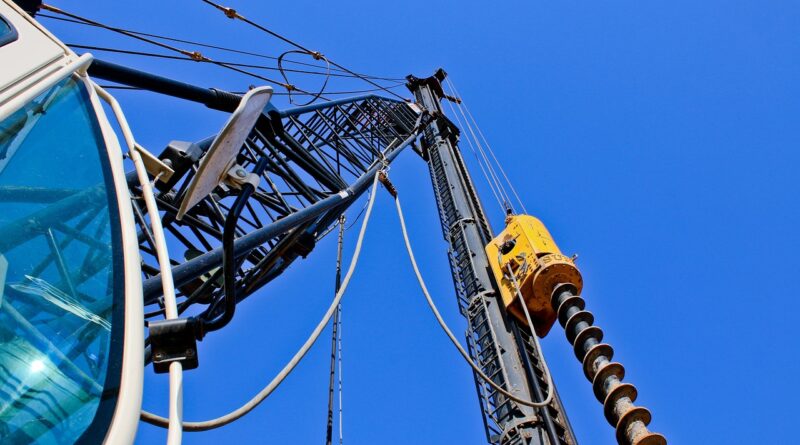
Power auger guide for safer post holes and light excavation
What a power auger is best used for
A power auger is a motorized tool that turns a helical bit to cut into soil, lift loose material and form a round hole faster than a manual post-hole digger. For homeowners, landscapers and small contractors, common uses include fence posts, mailbox posts, starter holes for deck footings, planting holes and light site preparation. The main choice is not simply gas versus electric. It is whether the tool has enough torque, the right bit diameter, suitable controls and safe operating conditions for the ground being drilled.
In the tools and power equipment category, the term can refer to several products. This article focuses on outdoor earth augers. Drain augers and sewer machines are also powered augers, but they use different cables, motors and safety practices. If the work involves soil, posts or landscaping, look for an earth or post-hole power auger rather than a plumbing auger.

How to choose the right type
Start with the work pattern. A single mailbox hole in soft loam does not call for the same machine as repeated fence posts in dry clay. Higher torque helps in dense ground, but more power usually means more weight, stronger kickback and greater handling demands.
| Type | Good fit | Main limitation |
|---|---|---|
| Corded electric auger | Occasional shallow holes near a power source | Extension cord length, outdoor electrical protection and lower torque |
| Battery auger | Garden, landscape and lighter post work where low noise is useful | Runtime, battery temperature and performance in heavy clay |
| One-person gas auger | Fence and general property work in moderate soil | Requires firm stance, fuel handling and kickback control |
| Two-person gas auger | Larger bits and tougher ground where two operators can coordinate | Needs communication and balanced handling |
| Towable or hydraulic auger | Repeated holes, larger diameters or compacted soil | Higher cost, transport needs and jobsite control |
For occasional residential work, renting may be more practical than buying. For repeated fence, deck or farm projects, ownership can make sense if replacement bits, shear pins, fuel or batteries and storage are included in the budget. For more tool selection topics, visit the Tools & Power section.
Bit size, depth and soil conditions
Choose bit diameter based on the finished structure, not on the largest attachment available. Small 2 to 4 inch bits suit bulbs, nursery plants, small stakes and pilot holes. A 6 inch bit is common for lighter fence posts. An 8 to 12 inch bit is often used where wider posts or more concrete are involved, but deck footings and structural supports should follow local code, frost-depth requirements and project plans.
Soil conditions change the real workload. Sandy soil may cut quickly but can cave in or refill the hole. Clay can hold its shape, but it may pack onto the flights and overload a small motor. Rocky fill can stop the bit suddenly and twist the handles. Roots, landscape fabric and buried debris are also common causes of binding. OSHA has warned in jobsite guidance that hidden materials around drilling operations can create serious hazards when rotating equipment grabs and wraps them.
Depth matters because the auger must lift soil out of the hole. In a deep, narrow hole, spoil can pack the flights, so operators usually drill in short stages and lift the bit periodically to clear material. If the hole begins to widen, slough or collect water, stop and reassess instead of forcing the tool deeper.
Safety checks before drilling
The most important step happens before the engine or motor starts: confirm what is underground. In the United States, 811 programs are the standard route for requesting utility marking before digging. Requirements and waiting periods vary by state, but the safety principle is consistent. Do not use a power auger to find out where gas, electric, communication, water or sewer lines are located.
Public utility marks may not cover private lines installed after the meter, such as landscape lighting, irrigation, pool wiring, propane lines or service to a detached garage. When those lines may exist, a private locator or careful hand investigation may be needed. Near marked utilities, follow local tolerance-zone rules and use hand tools to expose the exact location before mechanical digging. NIOSH and construction safety organizations have documented severe incidents involving augers and buried gas lines, including fatal explosions, which is why utility planning should be treated as part of tool setup rather than paperwork.
Inspect the machine before each use. Check that handles are secure, throttle or trigger controls return properly, the stop switch works, the bit is locked to the drive head, guards are in place, and the cutting edge is not cracked or badly worn. OSHA hand and power tool guidance emphasizes that power tools should be maintained in safe condition and equipped with required guards when designed for them.
Wear eye protection, sturdy footwear and hearing protection where needed. Avoid loose clothing, dangling drawstrings and jewelry. Gloves should be close fitting and appropriate for the task because rotating equipment can grab loose material. For electric models, use outdoor-rated cords of the correct gauge, keep connections out of wet ground and use GFCI protection where required or recommended for outdoor power tool use.
Practical operating technique
Begin with a marked layout. Measure hole centers, confirm setbacks and clear a flat working area around each location. Set the bit vertical before applying full power. Let the auger cut; do not lean your full body weight onto the handles. Forcing the bit can make it wander, bind or kick back.
Use short drilling cycles. Cut a few inches, lift slightly to clear spoil, then continue. If the tool begins to shake, stall or twist aggressively, release the throttle or trigger and stop. Pull the bit out carefully and check for roots, rock, clay buildup or debris. On two-person augers, both operators should agree on start, stop and lift signals before drilling because noise and vibration can make casual conversation unreliable. See also: Bolts & Fasteners.
Keep bystanders, pets and loose materials away from the rotating bit. Never reach toward the flights while the machine is running. If soil is stuck on the bit, shut the tool off and wait for all motion to stop before clearing it. Do not carry a running auger between holes. For gas models, refuel only after the engine cools and keep fuel away from ignition sources.
If a project expands from isolated post holes into a trench or excavation that people may enter, different rules apply. OSHA trenching guidance addresses hazards such as cave-ins, spoil placement and protective systems. In construction settings, excavations 5 feet deep or greater generally require a protective system unless made entirely in stable rock, and a competent person must evaluate conditions. Even for noncommercial work, the practical lesson is straightforward: do not step into unstable excavations and do not pile heavy spoil where it can collapse back into the opening.
Maintenance that preserves performance
After drilling, remove wet clay and abrasive soil from the bit before it hardens. Inspect the cutting tip, flights and connection hardware. A dull or bent bit makes the motor work harder and increases wandering. Replace damaged shear pins with the correct parts rather than improvised bolts that may defeat overload protection.
For gas augers, follow the manufacturer schedule for air filter service, spark plug inspection, gearcase lubrication and fuel storage. Stale fuel is a common cause of hard starting. For battery augers, keep packs dry, avoid charging outside the specified temperature range and store batteries away from metal objects that could bridge the terminals. For corded models, inspect cords and plugs for cuts, crushed insulation and loose prongs before the next use.
Common mistakes to avoid
- Buying by engine size alone. Bit diameter, soil type, gearbox strength and operator control matter as much as rated power.
- Skipping utility location for shallow holes. Many utility strikes happen during ordinary landscaping and fence work, not only deep excavation.
- Using the wrong auger category. A drain auger is not an earth auger, and an earth auger is not a plumbing machine.
- Forcing through obstructions. Stop and investigate when the bit binds. More throttle can turn a small problem into a broken bit or injury.
- Ignoring cleanup. Packed clay, bent flights and dull cutting edges reduce efficiency and make the next hole harder.
Frequently asked questions
Is a power auger worth it for a small fence project?
It can be worth renting if you need several holes in one day and the soil is not full of rock or roots. For one or two shallow holes, a manual post-hole digger may be simpler, cheaper and easier to control.
Can one person use a power auger safely?
Yes, if the model is designed for one-person use, the bit size is reasonable and the soil conditions are suitable. Larger bits, heavy clay, roots and rocky ground may call for a two-person or machine-mounted auger.
How close can I drill to marked utility lines?
There is no single national distance that applies everywhere. Follow your state or local 811 rules, respect the marked tolerance zone and use hand tools to expose the exact line location before any mechanical digging nearby.
Why does the auger keep getting stuck?
Common causes include wet clay packed on the flights, stones, roots, dull cutting edges, drilling too deep without clearing spoil or using a bit too large for the powerhead. Stop, shut the tool off and clear the cause before continuing.
Should I buy gas, corded electric or battery powered?
Choose gas for higher torque and remote work, corded electric for light jobs near reliable outdoor power, and battery for convenience, lower noise and moderate-duty landscaping. The right choice depends on hole size, soil density, runtime and how often the tool will be used.


