

Which Folding Table Legs Offer Superior Durability In Daily Use
Which Folding Leg Hardware Survives Daily Use?
Folding table legs get overlooked until they break under stress. For workers in events, food service, or movable work areas, the toughness of folding leg hardware affects safety and overall expenses over time. The next parts look at how materials, designs, and care routines shape the life span of folding table legs during everyday handling.
Durability in Folding Table Legs
The toughness of folding table legs relies on how well the hardware fights wear, rust, and physical damage. It’s not only about power. It’s about how that power lasts after many folds, bumps, and weather effects.
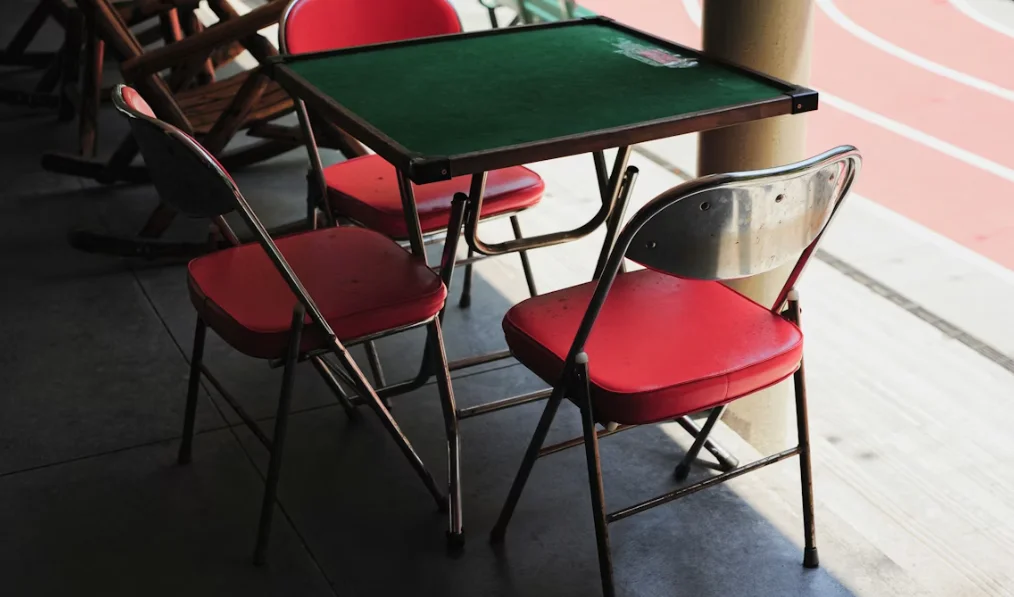
Defining Durability Standards for Folding Leg Hardware
When you check toughness standards, think about three main areas: material wear, weight-holding power, and rust resistance. Material wear means how metals or mixed stuff weaken from repeated pushes. In tests, makers use repeat load checks to copy years of folding and opening. Weight-holding power sets how much steady weight a leg takes before it bends. Rust resistance matters a lot too. Even small rust can harm hinge motion or screw strength as time goes on.
Common industry guides include ASTM F2613 for furniture checks and ISO 7173 for steady weight tests on tables. These guides set test times and break points that split work-grade folding table legs from home-grade ones. Making limits—small errors in cutting accuracy—change how parts fit. Too much space can lead to shakes or early damage. I recall a case where a small gap caused a whole setup to wobble during a busy conference, which is why precision counts so much.
Common Stress Factors in Daily Use
Everyday handling brings repeated pulls on hinges and lock parts. Each open and close changes joint positions a bit. After many cycles, this causes tiny rubs at turn spots. Water contact speeds up rust in raw steel parts, mainly outside or in damp storage spots. Heat shifts make metal grow and shrink, which can undo bolts slowly.
Stress spread is key too. If leg shapes don’t share weight evenly on touch points, stress builds up in spots near hinge pins or joins—usual break areas in cheap models. For example, in a catering gig with 50 tables moved daily, uneven stress led to failures after just six months.
Material Composition and Its Effect on Longevity
Choosing materials forms the base of lasting work. Metals lead here for their power-to-weight perks, but plastics and mixes grow popular for light builds.
Comparing Metal Alloys Used in Folding Table Legs
Steel stays the go-to for tough folding table legs due to its strong pull strength and low price. But plain carbon steel gets rusty fast without covers. Aluminum mixes give great rust fight and less weight, yet they might bend under big weights if not heat-treated right. Stainless steel mixes both perks—strong pull with built-in rust block—making it perfect for outside or eating spots.
Mix makeup changes wear life directly: more chromium boosts rust fight, while nickel adds sturdiness. Outer covers like powder paint make a tough shield against scratches and water; zinc coating adds a metal guard that stops rust even if scratched. In real jobs, like beach events, stainless versions last twice as long as plain steel ones.
Evaluating Polymer and Composite Alternatives
Plastic-based folding table legs pick up speed because of their bend and light weight. Strengthened plastics with glass threads show better pull traits while keeping give under hit weights. Mixes like carbon-fiber types give top stiff-to-weight scores but cost more.
These stuff hold up to weather harm better than bare metals—they avoid rust—but long sun light can make them break easy unless sun blockers mix in during making. From money side, plastic picks fit easy jobs or inside uses where moving beats raw weight hold needs. Think of school rooms where light legs get folded weekly without much trouble.
Structural Design Considerations for Long-Term Use
Top materials flop if the build doesn’t handle forces well. Shapes, joint ways, and lock setups decide how folding table legs do after years.
Joint Mechanisms and Locking Systems
Hinge builds set strong hardware apart from throwaway kinds. Rivet joins give lasting links but can slip with shakes; bolt joins let fix tightening but need exact turn control when put together. Lock setups—spring locks or slide bars—must keep firm through many clicks without losing pull.
Build limits count here: a tiny 0.1 mm space between hinge sheets can mean felt shakes at full stretch after long use. It’s like how a loose door hinge starts creaking after a few months of daily opens.
Load Distribution and Frame Geometry
The slant of each leg to the top sets steadiness under weight. Bigger leg spreads boost side hold but grow the base size—a choice makers weigh for spots like party rooms versus small class areas. Cross bars share weights evenly over many touch points, cutting spot stress that bends or cracks near join lines.
For hard jobs like factory benches or food tables holding over 200 kg, even frame shapes with extra cross bars give best long life. In one warehouse setup, adding braces cut breaks by 40 percent over two years.
Manufacturing Quality and Assembly Precision
Build quality often rules real toughness more than base materials alone.
The Role of Fabrication Techniques in Durability
Joined welds beat stamped or poured links when done right, since they make smooth metal lines instead of lock fits that crack from wear. Computer-controlled cutting keeps sizes steady across lots within ±0.05 mm—a big deal for swap parts in add-on systems.
Check steps include pull tests on batch samples and eye checks for tiny breaks at weld lines using color leak ways common in plane-making steps. Poor welds once caused a batch recall in a supplier’s line, highlighting why checks matter.
Hardware Integration and Fastening Methods
Screw lines give fixable links but may slip under shakes unless with lock rings or glue threads. Rivets give lasting holds yet block fixes once in. Press fits use tight pushes that grip parts firm without extra bits—a neat fix if cutting is spot on.
Mixed join ways blending glues with machine holds boost firmness by sharing weights over stuck faces while taking hit energy in move cycles. These methods shine in high-use spots like event rentals.
Maintenance Practices That Extend Service Life
Regular care stretches hardware life a lot, even in tough spots.
Preventive Maintenance for Folding Table Legs
Check folding table legs every three months for first rust signs around hinges or color changes near welds—both show oxidation under covers. Put on silicone lubes to cut rub wear on move parts without pulling dust like oil lubes do. Clean with soft soaps, not rough cleaners that peel covers off metal.
Steady tighten checks stop slow slips from shakes during moves or often shifts at events. Skipping this once led to a table collapse at a wedding, so it’s worth the time.
Replacement Components and Repair Strategies
When joins show extra play over okay levels (often more than 1 mm side move), swap hinge pins or lock springs to bring back steadiness without full leg swaps. For weak tube builds, inside sleeve adds from aluminum bits can fix push strength well while keeping weight low.
These fixes save money; one shop cut repair costs by half using sleeves on 100 tables yearly.
Evaluating Performance Through Realistic Testing Scenarios
Checks prove if book toughness turns to real trust over time.
Simulated Daily Use Testing Protocols
Cycle checks copy years of use by opening and closing fold parts thousands of times under fair weight—around 10 kg each go—to spot early wear breaks before sales. Steady weight checks gauge top weight hold before bends; move checks add changing forces like people leaning or pulling tables side ways on floors.
Weather fake setups put samples in wet rooms (95% damp) and heat shifts from −20°C to +50°C to check grow-shrink on join strength—key for outside goods stored by season in raw spots. Tests like these caught a flaw in a new design early, saving headaches later.
Selecting Folding Table Legs Based on Application Requirements
Picking right hardware hinges on where and how it’s used each day.
Matching Material Strength with Intended Usage Environment
Inside jobs gain from light aluminum builds for easy carries; outside needs stainless types that fight rain and salt air rust near sea spots. Weight hold scores guide picks: 100–150 kg per table fits most food service needs, while factory work spots may need strong frames over 250 kg steady loads per leg set.
Coastal caterers swear by stainless for its no-rust edge in salty winds.
Balancing Cost Efficiency with Long-Term Reliability
High-end stainless models cost more at start—often twice basic steel—but their long run pays back by cutting swap needs over years of use. For tight-budget groups turning stock often (like rent firms), middle powder-coated steel picks hit a good mix between price and long metrics like average time to breaks (MTBF).
In rental fleets, this balance kept downtime low, around 5 percent yearly.
FAQ
Q1: What material offers the best balance between strength and weight for folding table legs?
A: Aluminum alloys typically provide an excellent balance because they’re strong yet lightweight enough for frequent transport while resisting corrosion effectively indoors or outdoors.
Q2: How often should hinges be lubricated?
A: Lubricate every three months if tables are used daily; less frequent use may extend intervals to twice per year depending on environmental exposure levels.
Q3: Are polymer legs reliable for commercial applications?
A: Reinforced polymers perform well in light-duty indoor settings but may lack sufficient rigidity under heavy static loads compared to metal counterparts used commercially.
Q4: What causes most premature failures in folding leg hardware?
A: Repeated stress cycles combined with poor corrosion protection lead most failures—especially when manufacturing tolerances allow micro-movement at joints over time.
Q5: Can damaged locking mechanisms be repaired instead of replaced?
A: In many cases yes; replacing worn springs or latch pins restores full locking function without needing complete leg replacement if structural components remain intact.


