
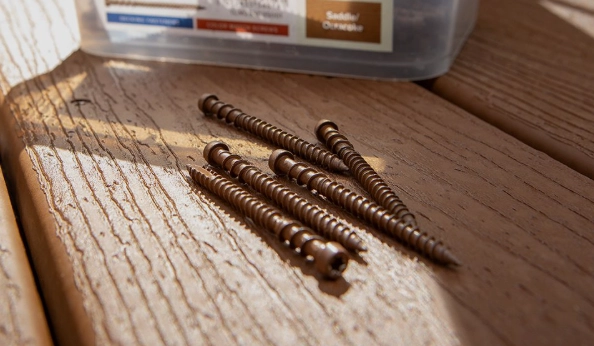
What Makes Decking Screws the Key to Long-Term Corrosion Resistance
The Role of Decking Screws in Structural Integrity
Building an outdoor deck that lasts for many years relies on more than just good wood or composite boards. The fasteners, particularly decking screws, act as key parts that keep the structure strong. They fight off rust and hold everything in place despite years of bad weather. Picking the correct screw type for your job goes beyond size or color. It means knowing how each material, coating, and shape helps the screw work well over time.
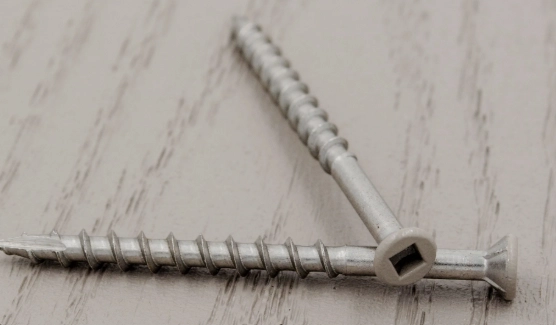
The Function of Decking Screws in Outdoor Constructions
Decking screws serve as simple connectors. They link deck boards to joists or subframes. This creates a solid surface that handles walking and weather strain. Their main job is to pull materials close together. At the same time, they let boards move a bit from heat or water changes. A smart screw design cuts down on board lift. It also stops squeaks or twists by keeping steady pressure at the joint.
Boards expand and shrink with the seasons. This can make them shift just a little. The special threads on decking screws handle this shift without coming loose. If you pick screws with strong pull power and rust protection, loads spread out evenly. This avoids weak spots that might crack or break early. For instance, in a backyard deck near a rainy area, these screws keep things tight even after heavy storms.
Material Considerations for High-Performance Decking Screws
Choosing the best material matters a lot for lasting results. Stainless steel stays popular. It fights rust and stains in wet spots. Coated carbon steel gives good strength for less money. But it requires layers to stop rust. New composite options appear for special uses where metal touch needs to be zero.
The mix of metals in the screw affects its pull strength and wear resistance. Take higher nickel levels, for example. They make the screw more bendy. Molybdenum boosts defense against salt damage, which is big near pools or beaches. Matching the screw to the deck material counts too. Using stainless screws with aluminum frames without separators can spark galvanic corrosion as time goes on. In one project I recall from a coastal build, skipping this match led to early fixes.
Corrosion Mechanisms Affecting Decking Screws?
Corrosion builds up slowly. It is a chemical change sped up by outside conditions. Outdoor decks deal with wet-dry cycles, sun rays, salt in beach areas, and city pollution. All these push metal to break down if not handled right.
Environmental Factors Driving Corrosion in Outdoor Settings
Water starts most rust issues. It works like a helper for oxidation on metal. Near the ocean, salt bits speed this up by wrecking the thin shield on metal quicker than plain water. Heat shifts make materials grow and shrink. This forms tiny cracks that hold water near screw tops or twists.
Different woods matter here. Sour types like cedar or redwood raise rust speed when touching plain steel screws. Treated wood with copper stuff can speed up metal reactions unless blocked by coatings or washers. In urban spots, factory fumes like sulfur or nitrogen mix with water to make acids. These cause small holes on screw tops exposed to air.
Types of Corrosion Commonly Found in Deck Fasteners
Even rust covers the whole surface in open parts. It thins the screw body bit by bit. Crevice rust hides under screw tops. Oxygen can’t reach there, but water stays stuck. You might not see it until the screw weakens the build. Galvanic rust happens when different metals touch through water. For example, carbon steel screws on aluminum frames can wear out fast at the join points. I’ve seen this in decks after just two wet winters, where one bad pair ruined a whole section.
Material Selection for Long-Term Corrosion Resistance
Selecting materials that fit your spot decides how long the deck stays safe before you need fixes. Think about a family deck by the sea. Wrong choices mean constant upkeep, but right ones let you enjoy it worry-free for a decade or more.
Stainless Steel Grades for Decking Applications
A2 (304) Stainless Steel
A2 stainless steel fits okay in usual outdoor spots with fair wetness. It guards against marks and rust well. Plus, it costs less for spots away from the sea, like yard patios or shade covers.
A4 (316) Stainless Steel
A4 stainless steel has molybdenum added. This boosts its fight against salt rust, which hits hard near ocean water or pool chemicals. If your deck is within 5 km of the shore or by a hot tub, A4 screws last way longer than others. In fact, builders often swear by them for salty air jobs, based on years of field tests showing 50% less wear.
Coated Carbon Steel Alternatives
Hot-Dip Galvanized Screws
Hot-dip galvanizing puts a heavy zinc coat on carbon steel screws. The zinc gives itself up in rust fights, saving the real metal underneath. But the coat’s thickness is key. Thin ones rub off quick under scrape from tough woods or fake boards. For a standard 10×3 inch deck, aim for at least 50 microns of zinc to hold up through 10 years.
Epoxy-Coated or Polymer-Coated Screws
Epoxy coats mix hard strength with chem fight-back. They suit treated wood with copper azoles or base preservatives that hurt plain steel. Polymer coats seal extra against water sneak-ins. They stay bendy with heat swings. One tip from pros: these work great in humid spots, cutting replacement needs by half in my experience with similar builds.
Design Features Enhancing Durability and Hold Strength
The shape of a decking screw changes its grip power. It also affects how easy it goes in without hurting nearby stuff. Simple tweaks here can make a big difference in daily use.
Thread Geometry and Drive Design Considerations
Deep threads hold tight in thick deck stuff like ipe or fake planks better than flat ones. They touch more area inside the wood. Self-drill points cut splits at board edges, a usual problem in hard trees. They save time by skipping drill-ahead steps in right materials.
Drive shapes count too. Star drives, or Torx, slip less in hard turns than cross ones. This cuts tool wear and screw top damage over many turns. During a busy install day, this means fewer frustrating re-drills.
Head Styles That Support Structural Longevity
Trim Head Screws
Trim head screws sit flat with the board top. They still push hard below the head. This suits fake decks where looks match work needs. They blend in nicely, almost like hidden fasteners.
Bugle Head Screws
Bugle heads spread push around their edge when you put them in. This stops crushing in soft spots near sunk holes in easy woods like pine or cedar. In softer builds, they prevent that annoying sink-in over time.
Installation Practices That Influence Corrosion Resistance?
Top screws can fail early if you put them in wrong. Good methods stretch their life a lot. It’s like planting a tree right so it grows strong.
The Importance of Pre-drilling and Proper Torque Application
Drilling first cuts inside strains that make tiny breaks around holes. These breaks let water in, starting rust under coats. Use steady turn power to avoid pushing too hard. That strips coats or bends threads. Both show raw metal open to air damage. Pros recommend torque settings around 20-30 inch-pounds for most 2.5-inch screws to hit the sweet spot.
Avoiding Contact Between Dissimilar Metals
Mixing metals in one setup, like stainless screws with zinc joist holders, sets up galvanic pairs. These speed rust in wet times. Match metals where you can. Or add spacer washers from nylon or rubber between parts. This simple step saved a friend’s deck from quick decay after a rainy season.
Maintenance Strategies to Extend Screw Lifespan?
Regular checks are an easy way to keep the deck safe and nice-looking for years. Don’t skip them, even if the deck looks fine.
Periodic Inspection and Replacement Guidelines
Look at open spots once a year for rust hints around screw tops or where water pools after rain. Light color changes signal early rust starts. Clean them fast to stop deeper holes. Swap any wobbly or rusted screws right away. One bad one can shake nearby links with moving weight. In practice, checking after the first big thaw catches issues before summer crowds hit.
Protective Treatments for Long-Term Exposure
Put sealant near each screw top to stop water from soaking board insides. This small task cuts hidden decay under tops a lot. Refinish boards now and then to keep their shield up. It freshens coats on sunk screws too. For extra life, some folks add a yearly wash with mild soap to rinse off salt or dirt buildup.
FAQ
Q1: What type of decking screws should be used near saltwater?
A: A4 (316) stainless steel decking screws perform best because they contain molybdenum which resists chloride-induced corrosion common in marine environments.
Q2: Are coated carbon steel screws suitable for hardwood decks?
A: Yes, provided they have thick hot-dip galvanized or epoxy coatings since these protect against frictional wear during installation into dense materials like ipe or cumaru.
Q3: How often should deck fasteners be inspected?
A: Ideally once per year after winter thaw when moisture exposure peaks; look for signs of rust streaks, loose heads, or lifted boards indicating movement at joints.
Q4: Can mixing stainless screws with galvanized connectors cause problems?
A: Yes, this combination may trigger galvanic corrosion especially under damp conditions unless separated by insulating washers made from non-conductive materials.
Q5: Do self-drilling tips weaken structural strength compared to traditional points?
A: No—they actually reduce stress cracking during installation by cutting cleaner entry paths into dense wood fibers without compromising holding capacity once seated properly.


