
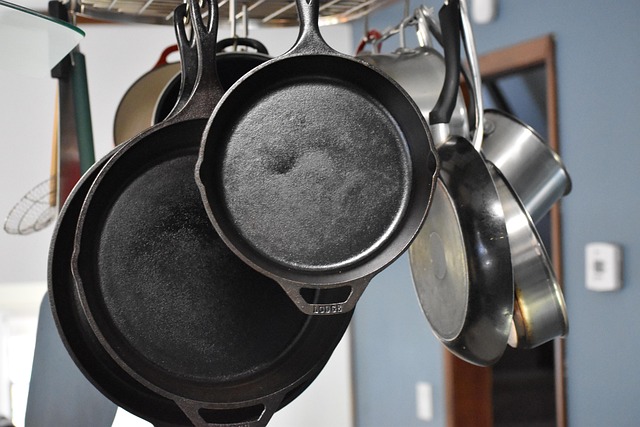
How cast iron skillet Care Impacts Longevity and Cooking Performance
How to Clean and Season a Cast-Iron Skillet
A cast-iron skillet can last for generations when maintained with discipline and technical care. Its longevity depends on the balance between chemistry, temperature control, and mechanical handling. The key lies in preserving the seasoning layer, avoiding moisture exposure, and maintaining stable surface integrity. Regular cleaning and re-seasoning keep its heat retention consistent and prevent rust formation. For professionals, cast iron is not just cookware but a calibrated tool—its performance directly reflects the precision of its maintenance.
Understanding the Relationship Between Cast Iron Skillet Care and Longevity?
Proper skillet care determines how long it retains its cooking efficiency. The material reacts predictably to temperature, oil, and moisture, making every maintenance step critical for durability.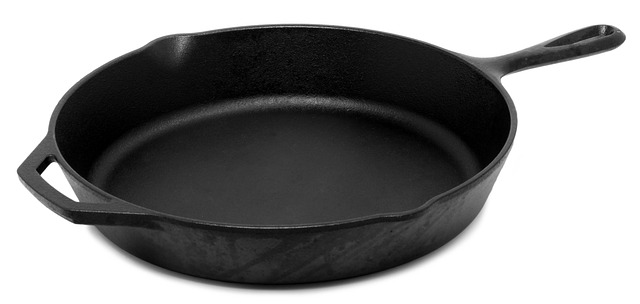
The Material Properties of Cast Iron
Cast iron’s porous structure demands regular upkeep to avoid oxidation that leads to rust. The metal’s heat retention ability depends on surface smoothness and the quality of its seasoning layer. When properly maintained, the skillet develops a natural non-stick coating that improves with use rather than degrades.
Factors That Influence Skillet Durability
Moisture exposure is the most common cause of early corrosion. Failing to dry thoroughly after washing allows water to settle into microscopic pores. Temperature shocks—such as rinsing a hot pan with cold water—can create micro-cracks or subtle warping that weakens structural integrity over time. Abrasive tools like steel wool remove protective layers, shortening lifespan significantly.
Seasoning: The Foundation of Performance and Protection
Seasoning defines both the skillet’s performance and its defense against corrosion. It’s a chemical process rather than a cosmetic one.
The Science Behind Seasoning a Cast Iron Skillet
Seasoning occurs when fats polymerize under heat, forming a hard, slick coating bonded to the metal surface. This layer acts as both shield and lubricant—it resists oxidation while providing natural non-stick properties without synthetic coatings. Repeated cycles of seasoning increase surface hardness, improving evenness in browning and reducing sticking during high-temperature cooking.
Techniques for Effective Seasoning Maintenance
Thin coats of oil yield better polymerization than heavy applications that turn sticky or uneven. Baking at moderate temperatures—around 400°F—for an hour promotes consistent bonding across the cooking plane. After cleaning sessions, applying a light oil film prevents oxidation while maintaining smoothness.
Cleaning Practices That Extend Skillet Life
Cleaning is not merely about hygiene; it’s about preserving the chemical stability of the seasoned surface.
Appropriate Cleaning Methods for Cast Iron Surfaces
Avoid soaking or using strong detergents since they strip away polymerized oils that protect against rust. Instead, scrub gently with coarse salt or specialized brushes designed for cast iron texture preservation. Immediate drying—often by placing it on low heat—removes moisture trapped in pores before storage.
Common Cleaning Mistakes and Their Consequences
Dishwashers expose cast iron to prolonged water contact and harsh chemicals that destroy seasoning layers within minutes. Acidic cleaners etch surfaces, creating pits where rust forms easily. Neglecting re-oiling after washing leaves bare metal exposed to ambient humidity—a silent but steady cause of corrosion.
Storage and Handling for Long-Term Preservation
Even when not in use, environmental factors dictate how well cast iron ages between cooking sessions.
Environmental Factors Affecting Cast Iron Longevity
High humidity accelerates oxidation if residual moisture remains on surfaces or between stacked skillets. Poor ventilation traps condensation that fosters rust spots overnight. A controlled environment helps maintain both appearance and performance consistency over years of use.
Recommended Storage Practices for Professionals
Before storage, lightly coat surfaces with neutral oil to maintain a continuous protective film. When stacking multiple pans—as often done in professional kitchens—place paper towels between them to prevent scratches from frictional contact. Ideally, store in an area with stable humidity levels below 50% to slow down any oxidative reactions.
How Care Impacts Cooking Performance Over Time?
Performance degradation in cast iron usually stems from uneven seasoning or neglected maintenance routines rather than age alone.
Thermal Conductivity and Heat Retention Dynamics
A well-maintained skillet distributes heat evenly across its base, allowing predictable searing results crucial for professional kitchens. Uneven layers cause hot spots that char food prematurely while leaving other areas undercooked. Consistent upkeep ensures reliable thermal behavior essential for repeatable outcomes during service hours.
Surface Condition and Food Release Behavior
A properly seasoned surface releases food effortlessly without added fat or synthetic coatings. Once degraded, however, sticking becomes frequent even at optimal temperatures—forcing chefs to compensate with excess oil that alters recipe balance. Restoring seasoning restores both efficiency and flavor development through better Maillard reactions.
Integrating Professional Maintenance Routines into Daily Use
For culinary experts managing multiple skillets daily, structured care routines reduce downtime and preserve equipment uniformity across stations.
Establishing a Routine Care Schedule for Culinary Experts
Post-use cleaning should be immediate: rinse briefly under warm water, scrub gently if needed, dry thoroughly over heat, then apply a thin oil layer before cooling down. Deep re-seasoning every few months—or sooner if discoloration appears—keeps coatings uniform across all pans in rotation. Documenting these intervals helps maintain consistency across kitchen teams handling shared cookware assets like accuride drawer slides systems used for organized storage setups.
Evaluating Skillet Performance Through Visual and Functional Indicators
Visual cues such as color uniformity signal balanced seasoning; patchy areas indicate uneven protection requiring attention. Functionally, test runs with standard ingredients like eggs or pancakes reveal sticking points or temperature inconsistencies indicating when maintenance cycles are due again.
FAQ
Q1: How often should a cast-iron skillet be re-seasoned?
A: Light re-seasoning after each wash maintains protection; deep seasoning every few months restores full non-stick performance depending on usage frequency.
Q2: Can soap be used on cast iron?
A: Mild soap is acceptable occasionally if followed by immediate drying and re-oiling; strong detergents strip essential polymerized oils.
Q3: Why does my skillet develop sticky residue after seasoning?
A: Applying too much oil at once prevents complete polymerization; thin layers baked properly yield smoother finishes without tackiness.
Q4: Is it safe to cook acidic foods like tomato sauce in cast iron?
A: Brief exposure is fine on well-seasoned pans; prolonged simmering can break down protective layers leading to metallic taste transfer.
Q5: What’s the best way to store cast-iron cookware long-term?
A: Keep it dry, lightly oiled, separated by paper towels if stacked, in a cool ventilated space with moderate humidity control for extended preservation.


