
Why Does Your PVC Hose Fail and What Hidden Factors Cause Damage
Why Your PVC Hose Fails: 5 Hidden Killers (And How to Extend Its Life)
PVC hoses show up in many places, from factories and farms to homes. But they often break down quicker than people think. The big reasons are things like weather, wrong chemicals, rough handling, and bad care. Spot these problems early. Then, use smart fixes. That way, workers can make hoses last much longer. It cuts down on expensive stops in work.
Understanding the Common Causes of PVC Hose Failure
PVC hoses carry liquids and gases in all sorts of jobs. They work well because of their build and how they can change to fit needs. Still, even good ones wear out fast in bad spots or with wrong use.
The Nature and Composition of PVC Hoses
Polyvinyl chloride is a type of plastic that bends easily. It stands up to lots of chemicals too. Things like softeners make it bendy. Protectors keep it safe from heat and sun rays. The hose gets strength from braided threads or wound wire inside. This helps it hold pressure. If the mix of add-ins is wrong, or if cheap stuff is used, it gets hard and breaks sooner when pushed.
Typical Signs That a PVC Hose Is Failing
You might see splits on the outside or colors turning pale. These point to sun damage or softeners leaking out. If it feels hard or drips at normal push, the inside layers are pulling apart. Bulges near ends show chemical harm or too much heat. Such clues pop up after long time in sun or with bad liquids. I remember once, on a farm, a hose looked fine but cracked right in the middle of watering crops. That kind of surprise teaches you to check often.
Hidden Environmental Factors That Accelerate Damage
Weather plays a sneaky role in wrecking PVC hoses. Folks don’t always see it coming. It’s like how solar panels need shade from wild weather to keep going strong. Hoses need safe spots to stay in too. Picking the right maker for solar setups matters a ton for years of good work in homes or shops. The same goes for hoses. Choose the right kind, and it holds up better against nature’s tricks.
The Impact of UV Exposure and Weathering
Sun rays tear apart the plastic links through light reactions. This leads to outer splits and less bend. In the end, it hurts the whole build, even if it looks okay on top. Add sun-proof covers. Or keep them inside when idle. Both slow down the harm a lot. Think about leaving one out in a parking lot for a summer. By fall, it’s brittle like old rubber bands.
Temperature Fluctuations and Thermal Stress
High heat makes PVC soft. That drops how much pressure it can take. Cold freezes it stiff. When it warms up again, tiny breaks form. These get bigger with each up-and-down. Keep the air around steady in storage. It keeps the bend and stops early breaks. In cold winters, I’ve seen hoses crack just from being left outside overnight, then used the next day.
Chemical and Fluid Compatibility Issues
Matching chemicals to the hose is key, but many skip it. In places with lots of liquids moving daily, small mismatches lead to quick wear.
How Chemical Reactions Affect Hose Integrity
Some cleaners or strong acids pull out the softeners from PVC. This leaves it hard and crumbly. Oils can make inside parts swell or peel apart slowly. Look at charts for matches before putting it to work. That stops these troubles by picking the right build for the liquid.
Contamination from Internal Fluids or External Sources
Leftovers inside change how fast stuff flows. They also rub and wear more. Outside, spills with oils or cleaners soften the cover bit by bit. Wash it out regular after jobs. This clears build-up that speeds up scrapes. Once, in a workshop, a hose got gunked with oil residue. It failed in under a month, costing extra time to fix.
Mechanical Stresses That Weaken PVC Hoses Over Time
Rough pulls and pushes quietly ruin PVC hoses. Bending or turning over and over puts force in small spots. Cracks start there.
Excessive Bending, Twisting, or Kinking
Tight turns block paths. They build extra push inside at weak parts by the joins. Moving it a lot without help tires out the inner threads. Add turning joints or soft holders. They cut the strain in one place. For example, in a garden setup, kinks from poor routing led to a burst during peak use.
Pressure Surges and Overloading Problems
Sudden jumps in push, like from pumps starting and stopping, go over safe levels for short bits. But it happens again and again. This tires the strong layers till it bursts. Put in softeners. Or pick hoses made for more than your normal push. It lowers the chance. Industry folks say surges cause about 30% of hose fails in pumps.
Improper Installation and Maintenance Practices
Top hoses die fast if set up wrong or left unchecked. Right size and steady looks are part of good care plans.
Incorrect Hose Selection for Application Needs
Pick without thinking of heat limits, push levels, or liquid types. It brings early stops. Say, a basic PVC hose with hot oil breaks quick, even if brand new. Match the width and strong bits to what the job needs. That keeps it safe in use.
Lack of Routine Inspection and Cleaning Procedures
Grime hides first signs like small outer breaks or swells by ends. Plan checks catch them before drips turn big. Wash away bits that eat at inside over time. Skipping this is common in busy spots, but it leads to surprises. Regular peeks, maybe every few weeks, save headaches.
Practical Strategies to Extend the Life of Your PVC Hose
Making hoses last needs more than fixing after. It means smart habits, like in solar battery setups where long life comes from good fits and care. The best maker doesn’t just sell parts. They help with how it all works together, software that runs smooth, strong promises, and quick help later. This lasts 10 to 25 years. Same idea for hoses. Good stuff plus steady watch means better runs. In my view, it’s like caring for a truck—small steps add up to miles.
Proper Storage and Handling Techniques
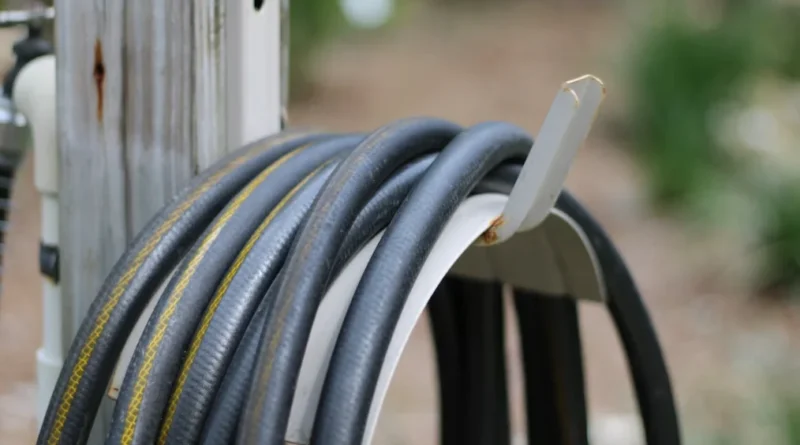
Keep hoses out of direct sun or near machines that make ozone, like engines or welding tools. Roll them loose to avoid lasting bends that slow flow down the road. Hang them straight on smooth hooks. This skips flat marks along the side. Store in a dry shed, not piled in a wet corner, and they hold shape better.
Maintenance Routines for Long-Term Performance
Wash after every job to clear leftover chemicals that might hurt joins inside. Swap out bad ends right away. Don’t just patch. New fails often hit near weak spots in weeks if you wait. Do this, and a hose might go two years instead of six months in tough spots.
Selecting Quality Hoses with Reinforced Construction
Go for ones with sun-safe outside for yard work. Or clean insides for food jobs. Hoses with many strong layers take push changes well. They stay bendy in different heats, better than plain ones. Pay a bit more upfront, and it pays off in less swaps. Reinforced types often handle 50% more stress without trouble.
FAQ
Q1: What causes brittleness in an old PVC hose?
A: Loss of plasticizers due to heat exposure or chemical extraction makes the material rigid over time.
Q2: Can sunlight alone damage a stored PVC hose?
A: Yes, prolonged UV exposure breaks down polymer chains even without active use.
Q3: How often should industrial hoses be inspected?
A: At least once every three months under normal service conditions; more frequently if exposed to harsh chemicals or outdoor environments.
Q4: Are reinforced hoses worth the higher cost?
A: Reinforced designs provide superior burst resistance under fluctuating pressures and generally last longer in demanding applications.
Q5: What’s the best way to clean a contaminated hose?
A: Flush thoroughly with compatible neutralizing agents followed by clean water; avoid solvents unless specified safe by manufacturer guidelines.


