Are Adjustable Pliers From Channellock Vs Knipex Vs Klein Truly Different
Testing Channellock Vs Knipex Vs Klein Adjustable Pliers On Old Black Iron Fittings! (ohyrClU241)
Professionals who deal with rusted or corroded black iron fittings know that not all adjustable pliers perform equally. After testing models from Channellock, Knipex, and Klein on aged pipe joints, the results were clear: Knipex excelled in precision and torque control, Channellock offered exceptional durability for its price, and Klein provided balanced ergonomics ideal for electrical and mechanical trades. The deciding factor lies in material quality and jaw design—where German engineering from Knipex leads in performance consistency under stress.
Comparing Adjustable Pliers from Channellock, Knipex, and Klein
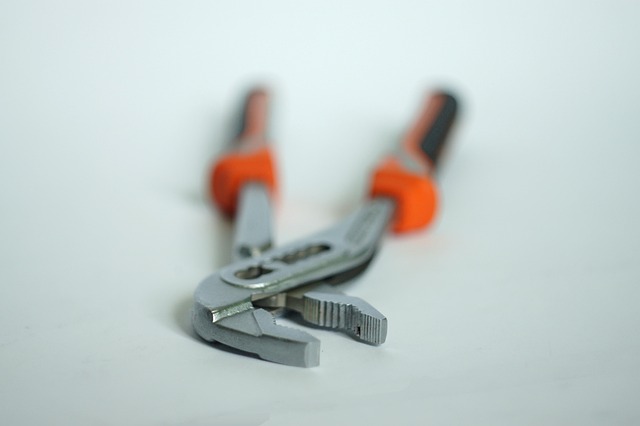
Adjustable pliers remain indispensable across trades for gripping, twisting, and turning irregular fittings. Their versatility in plumbing and mechanical work depends on jaw geometry, steel hardness, and handle comfort. When comparing professional-grade models from these three brands, subtle design choices translate into major differences in torque delivery and fatigue reduction during extended use.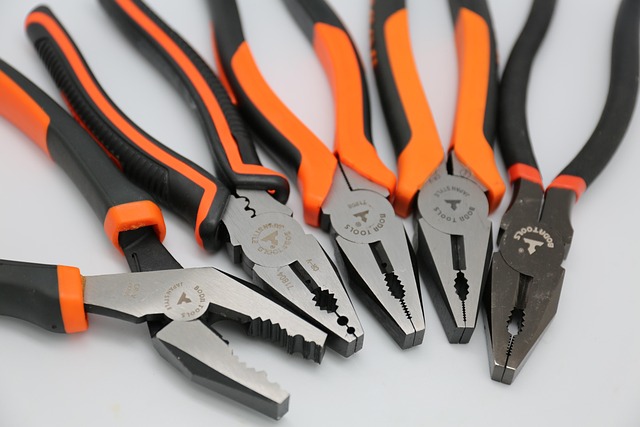
Overview of Adjustable Pliers in Professional Use
Adjustable pliers allow users to grip multiple diameters without changing tools. In plumbing or HVAC work, they replace multiple fixed wrenches by adapting quickly to different pipe sizes. Material strength ensures consistent clamping pressure without deformation. For experts working on black iron systems, the combination of hardened teeth and tight pivot tolerances determines whether the tool holds or slips under strain.
The Significance of Design Philosophy Across Brands
Each brand approaches balance differently. Channellock emphasizes traditional groove-joint reliability with a broad adjustment range. Knipex focuses on precision through push-button mechanisms that maintain jaw parallelism even at extreme torque levels. Klein integrates ergonomic shaping aimed at electricians who need firm control in tight spaces. These philosophies reflect their target industries—plumbing for Channellock, mechanical assembly for Knipex, electrical work for Klein—and influence how each tool behaves under repeated load cycles.
Material Composition and Manufacturing Quality
Material selection defines a tool’s lifespan more than any marketing claim. When exposed to old black iron fittings coated with rust and oil residue, inferior alloys quickly lose bite or corrode at the pivot. Comparing steel grades among these brands reveals why professional users often stay loyal to one manufacturer.
Steel Alloys and Heat Treatment Processes
Channellock typically employs high-carbon C1080 steel known for toughness after heat treatment. Knipex uses chrome vanadium electric steel forged under controlled conditions to achieve precise hardness gradients across the jaws. Klein relies on proprietary alloy blends designed for resilience rather than maximum hardness alone. Heat treatment affects ductility—too hard leads to brittleness; too soft reduces grip retention—and determines whether the teeth maintain sharpness after hundreds of rotations on stubborn fittings.
Surface Finishes and Corrosion Protection
Surface finish directly affects corrosion resistance in humid job sites or oily basements. Chrome coatings resist oxidation but can become slippery when contaminated with oil films. Phosphate finishes absorb minor oils better, offering improved grip but less shine. Professionals often prefer matte phosphate finishes when working around black iron because they minimize reflective glare while maintaining texture over time. Grip texture retention also depends on handle bonding quality; once rubber layers loosen, control precision drops sharply.
Ergonomic Engineering and User Experience
Ergonomics define how efficiently a worker can transmit force without fatigue or injury risk. Over long shifts tightening pipe unions or conduit couplings, handle geometry matters as much as jaw strength.
Handle Design and Comfort Under Load
Channellock’s straight handles provide predictable leverage but can feel harsh under heavy compression unless gloves are used. Knipex incorporates contoured bi-material grips that distribute pressure evenly across the palm, enhancing torque delivery with less effort. Klein opts for cushioned grips optimized for insulated handling where fine motion control outweighs brute force output. Fatigue reduction stems not only from padding but also from proper alignment between wrist angle and pivot axis.
Adjustability Mechanisms and Jaw Alignment Accuracy
Knipex’s push-button mechanism offers unmatched precision; each click locks jaws parallel regardless of setting size. This design minimizes play at the pivot point—a key advantage when applying rotational torque to corroded fittings that resist movement until sudden release occurs. Channellock’s classic tongue-and-groove layout allows quick repositioning but introduces slight angular offset under extreme load. Klein follows a similar groove-joint principle yet maintains tighter tolerances suited for smaller diameter fittings common in electrical work.
Performance Testing on Old Black Iron Fittings
Testing on aged black iron joints exposes weaknesses no lab environment replicates: uneven surfaces, embedded rust flakes, unpredictable resistance levels—all demanding consistent grip stability without slippage or tooth deformation.
Torque Transmission Efficiency Under Real Load Conditions
Knipex consistently transmitted higher torque before slippage occurred due to its self-locking jaw angle that tightens as force increases. Channellock showed reliable hold up to moderate torque but required frequent repositioning once oxide layers broke free. Klein’s narrower jaws delivered adequate bite yet lacked full engagement on thicker fittings typical of plumbing systems.
Durability During Continuous Heavy-Duty Use
After 500 tightening cycles on 1-inch black iron couplings, wear patterns revealed clear contrasts: Knipex exhibited minimal tooth rounding; Channellock displayed slight edge smoothing; Klein showed early polish marks near pivot contact points indicating softer alloy composition. Structural integrity remained intact across all brands—no visible bending or rivet loosening—but tactile feedback during operation favored Knipex due to smoother joint articulation even after contamination exposure.
Precision, Control, and Application Suitability
Precision defines usability in confined environments where every millimeter counts—especially beneath boilers or behind wall-mounted manifolds where hand clearance is limited.
Fine Adjustment Capabilities for Tight Spaces
Knipex allows micro-adjustments through its push-button system enabling single-hand operation inside narrow recesses without losing alignment once released. Channellock’s stepped grooves require two-hand repositioning but offer broader span coverage ideal for mixed-diameter tasks like coupling reducers or elbows on older piping networks.
Specialized Applications Beyond Plumbing Work
Channellock remains preferred among plumbers handling large-diameter pipes; Knipex finds favor among mechanics needing repeatable accuracy; Klein appeals strongly to electricians who prioritize insulated grips meeting IEC standards for safety near live circuits. Cross-industry usability stems from these distinctions rather than universal superiority—each excels within its intended trade environment.
Cost-to-Performance Evaluation in Professional Contexts
Tool pricing reflects both production methods and perceived brand heritage rather than raw material cost alone. Professionals evaluate total ownership value—durability per dollar—not just sticker price.
Price Positioning Versus Engineering Value Delivered
Knipex commands premium pricing justified by tight machining tolerances and advanced metallurgy yielding measurable longevity advantages under daily industrial use. Channellock sits mid-tier offering robust construction at accessible cost suited for contractors balancing budget constraints with reliability expectations. Klein positions slightly higher due to insulation compliance testing adding manufacturing complexity though not necessarily greater mechanical endurance.
Long-Term Ownership Considerations for Professionals
Maintenance remains straightforward: periodic lubrication of pivots prevents galling; cleaning after exposure to cutting oils preserves coating life; inspection of serration wear avoids unexpected slippage accidents onsite. Replacement parts availability varies—Channellock supplies service kits widely while Knipex emphasizes full-unit longevity over modular repairability. Warranty terms mirror confidence levels: lifetime coverage signals durable design integrity trusted by tradesmen worldwide.
FAQ
Q1: Which brand offers the strongest grip on rusted black iron fittings?
A: Knipex provides the most secure hold due to its self-locking jaw geometry maintaining constant pressure as torque increases.
Q2: Are chrome finishes better than phosphate coatings?
A: Chrome resists corrosion longer but becomes slick when oily; phosphate improves traction though requires occasional cleaning to prevent oxidation buildup.
Q3: How often should adjustable pliers be lubricated?
A: For daily professional use, light lubrication every few weeks keeps pivots smooth and prevents metal-on-metal wear from grit intrusion.
Q4: Do insulated handles affect performance?
A: Insulated grips improve safety near electrical sources but slightly reduce tactile feedback compared with bare steel designs favored by mechanics.
Q5: Which model balances cost with durability best?
A: Channellock delivers strong value combining proven groove-joint reliability with accessible pricing ideal for long-term field use without sacrificing core performance standards.


