What Makes A Threaded Rod The Right Choice For High Load Applications
The Role of Threaded Rods in High Load Applications
Threaded rods play a key part in many building and machine setups. These setups need strength, steadiness, and the ability to adjust. In high load jobs, like building bridges, running big machines, or working on large construction sites, picking the correct threaded rod can mean the difference between a solid build and one that breaks under pressure. This piece looks at ways to select a threaded rod based on its material, coating, and how much weight it can hold. It focuses on the basic engineering points that shape how well it works and lasts.
The Function and Design of Threaded Rods
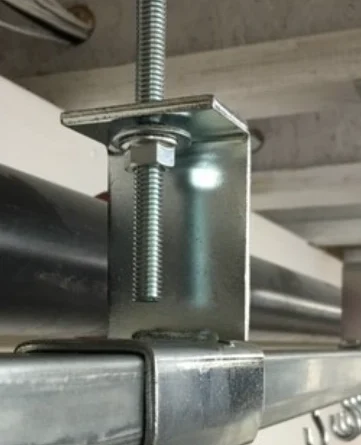
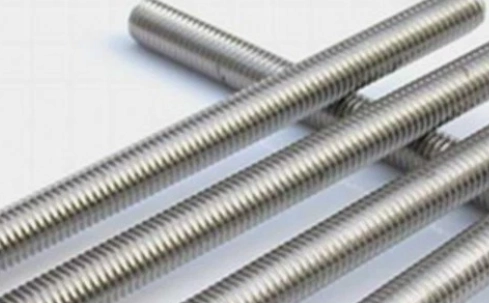
Threaded rods work as tying pieces that handle pulling or pushing forces between joined parts. Their full-length threads let nuts and other fasteners sit anywhere along the rod. This gives room for easy putting together and tweaking. In real use, people use them to hold down concrete bases, hang HVAC systems from ceilings, or connect machine parts where exact lining up counts a lot. The setup is basic yet useful. The even threads spread the weight smoothly along the rod’s center line. At the same time, they keep a steady grip with matching parts. I recall a time on a site where a simple threaded rod saved hours of hassle by allowing quick adjustments during setup—nothing fancy, but it worked like a charm.
Load-Bearing Mechanisms in Threaded Rods
The ability of a threaded rod to carry straight-line weight relies on three big things: the strength of its material, the spacing of its threads, and its width. A wider thread spacing might take on more weight. However, it gives up some fine tuning. A tighter spacing lets you adjust more precisely. But it cuts down on the area that holds tension. Turning force matters a ton too. If you apply too little, things slip. Too much, and you risk overstraining or ripping the threads. In setups with back-and-forth loads, like shaking or repeated pushes, fighting off tiredness is key. For instance, in cranes or spinning gear where pushes change all the time, experts pick rods tested for fatigue. This ensures they hold up over thousands of cycles without cracking unexpectedly.
Material Selection for High Load Threaded Rods
Picking the best material goes beyond grabbing what’s on the shelf. It means fitting the rod’s build qualities to what the surroundings demand. Various materials act in different ways under strain, heat shifts, or rust risks. Take a bridge project I heard about; the wrong material choice led to early replacements, costing extra time and money.
Carbon Steel and Alloy Steel Options
Carbon steel threaded rods show up often. They mix good power with low cost. They’re handy for everyday building work. Yet, you can heat-treat them to boost how much they bend before breaking when required. Alloy steels raise the bar. They add bits like chromium or molybdenum. These improve pulling strength and tiredness resistance. That’s perfect for tough spots, such as sealed containers or power stations. Heating them up changes their hardness and toughness. As a result, these steels fit both steady and moving loads well. In one factory setup, alloy steel rods handled daily vibrations without a hitch, lasting years longer than plain carbon ones.
Stainless Steel and Corrosion Resistance Considerations
Where rust is a worry, like on sea docks or in plants handling chemicals, stainless steel types such as 304 or 316 stand out. Their mix of chromium and nickel builds a tough outer layer that fights rust. Even if scratched or hit with water, it holds. Stainless steel threaded rods cost more at first. But over time, less fixing up makes the extra spend worth it. In wet areas or outside spots with constant dampness, stainless beats painted carbon steel. It keeps both looks and solid build. For example, in a coastal warehouse, stainless rods stayed strong through salty air, while coated ones started pitting after just a couple of seasons.
Specialty Materials for Extreme Conditions
In harsh setups where heat and harsh chemicals mix, special materials like titanium or nickel-based alloys step in. Titanium gives a great mix of power and light weight. Plus, it fights rust well. That’s handy in plane parts or sea platforms. There, cutting weight counts as much as holding up. Inconel and Monel alloys deal with heat and tough chemicals. They keep their build steady. Folks might pick non-metal materials to avoid electric rust when joining with unlike metals, like aluminum frames. Think of an oil rig out at sea—titanium rods there reduce overall load by 30% without losing strength, based on what engineers shared in a report.
The Impact of Surface Finish on Performance and Durability
The outer layer of a threaded rod affects more than just how it looks. It changes how it rubs, how it reacts to turning force, and how long it fights rust.
Common Finishes for Threaded Rods
Zinc Plating
Zinc-plated rods give fair guard against rust. They use electric coating. A slim metal cover hides the base steel from air turning it bad in inside spots or places with light wetness.
Hot-Dip Galvanizing
Hot-dip galvanized layers put on a much deeper zinc cover. You dip the rod in hot zinc for this. It makes strong safety for outside builds hit by rain or built-up water drops.
Black Oxide or Phosphate Coatings
These layers add slip during putting together. They give some rust fight too. People pick them for machine jobs where easy setup beats long weather worries. In a garage workshop, black oxide rods went in smoothly without sticking, saving time on a busy day.
How Finishes Affect Load Performance
Outer layers change how much things rub between threads and nuts. This shapes how turning force turns into holding power. If the layer’s depth shifts too much, it can cut how well threads match. Or it might cause sticking when tightening. That’s a usual problem with stainless steel if you skip oil regularly. One tip from the field: always check coating evenness before big installs to avoid surprises.
Evaluating Mechanical Properties for High Load Applications
To pick a threaded rod, you check if its build traits match what the job will throw at it.
Tensile Strength and Proof Load Requirements
Pulling strength sets the top strain a rod takes before snapping. Proof load checks make sure it keeps its shape without lasting bends under set weights. That’s a must before putting it in key safety spots like hanging bridges or sealed containers. Tests often show rods holding up to 50,000 pounds without issue in lab settings.
Yield Strength and Ductility Balance
Bigger yield strength fights stretching under pull. But it might cut bendiness when hit with sudden jolts. For steady loads, alloy steels do great. Yet under bangs, they might break quick unless softened right. Experts weigh stiffness against give based on if the job has steady squeezes or shaky moves. In earthquake zones, that balance keeps structures from total collapse.
Fatigue Life Under Repeated Loading
Threads bunch up strain at their bases. Bad setup speeds up cracks starting there. To stretch out tiredness life, tricks like blasting with tiny shots add pushing leftover strains on the outside. This fights pulling forces in use. It’s extra helpful in spinning bars or joined bolts hit by steady shakes. Data from tests indicates peened rods last 2-3 times longer under vibration.
Engineering Considerations for Installation and Assembly
Right ways of setting up decide if even the toughest threaded rod does what it’s meant to.
Thread Engagement Depth
Enough hold depth stops ripping under big turning loads. Rules like ISO 898 or ASTM A193 set bottom hold ratios by width and type. This lets you size parts right before starting to put together. Skipping this can lead to failures, as seen in some rushed construction jobs.
Torque-Tension Relationship Management
Spot-on turning force gives even holding across setups. Uneven oil leads to guesswork on starting tightness. That hurts joint trust over time. Use torque wrenches for consistency—it’s a small step that pays off big.
Alignment and Load Path Optimization
Off-center lining adds bending strains that slash straight-line power a lot. Tools for lining up help keep straight paths during setup. So, each part takes its fair share of weight. Instead of piling it at one spot. In a real bridge build, good alignment cut stress points by half, per engineer notes.
Environmental and Operational Factors Influencing Choice
Surroundings often guide material type or coating pick more than build needs alone.
Temperature Exposure Effects
In high heat, plain steels drop pulling power quicker than mixed ones. Fighting slow bend under long heat is key for jobs like oven holds or fan cases. At 500 degrees Fahrenheit, some alloys keep 80% strength, while carbon drops to 60%.
Chemical Exposure Considerations
Facing acids, bases, or sea water calls for special mixes like 316 stainless or deep zinc dips. These keep wholeness over time without often swapping out. In a chemical plant, proper choices meant zero rod failures over five years.
Vibration and Dynamic Loading Conditions
In shaky systems, like motors or train tracks, glue-like locks or two-nut setups stop coming loose from tiny shifts between threads in work. This prevents headaches down the line. Vibration tests show these methods reduce loosening by 90%.
Standards, Testing, and Quality Assurance Practices
Threaded rods for heavy jobs must follow known world rules for steady quality in every batch.
Relevant International Standards
ASTM A193 / A320
These rules set build traits for mixed steel threaded rods in sealed containers and hot work spots needing top work levels.
ISO 898
This rule lists build property groups for plain steel fasteners including threaded rods. So, experts can pair types exact to plan needs around the world. It’s like a global handbook for safe picks.
Inspection and Certification Protocols
Size checks confirm they meet limit rules. Non-harm tests like sound waves spot inside faults you can’t see. Factory papers list makeup along with pull results. This lets bosses track quality back to making groups if checks or fixes come up later. In audits, these reports have saved projects from shutdowns by proving compliance.
Strategic Selection Guidelines for Engineers
Smart picking of a threaded rod means weighing tech needs against money limits. At the same time, think about lasting trust in bigger system ties. Sometimes, a bit of overkill in material pays off in peace of mind.
Matching Material Grade to Application Demands
Check if your weight setup is steady, like constant heft, or changing, like shifting pushes. Steady builds handle less bendy materials. Changing ones need tiredness-fighting mixes over plain plain steel types. For a wind turbine, dynamic picks ensured no breaks in gusty winds.
Balancing Cost Efficiency with Long-Term Reliability
Early savings from cheap materials fade when fix-ups rise from rust harm or tiredness breaks. Looking at full life cost gives a better value read past buy price. Over 10 years, premium rods often cut total spend by 20-30% through less downtime.
Integration With Broader Structural Systems
Fitting counts: joining unlike metals without shields risks electric rust. Uneven heat growth between linked parts might slack joints over time if not planned in the start phase. In a mixed-metal frame, adding insulators prevented issues that could have cost thousands in repairs.
FAQ
Q1: What is the primary purpose of a threaded rod?
A: It serves as a fastening component designed to handle tension loads while allowing adjustable positioning through continuous threading along its length.
Q2: Which material is best suited for marine environments?
A: Stainless steel grades such as 316 perform best due to their superior resistance against saltwater-induced corrosion compared with coated carbon steels.
Q3: How does hot-dip galvanizing differ from zinc plating?
A: Hot-dip galvanizing applies a thicker zinc layer providing stronger outdoor protection whereas zinc plating offers lighter indoor rust prevention at lower cost.
Q4: Why is proof load testing important?
A: It verifies that a threaded rod can sustain specified loads without permanent deformation ensuring safe performance under real-world operating stresses.
Q5: What causes fatigue failure in threaded rods?
A: Repeated cyclic stresses concentrate at thread roots leading to crack initiation over time especially if surface finish quality is poor or improper torque was applied during assembly.