

What Makes Clip Removal Pliers Essential in Modern Automotive Repair
The Importance of Clip Removal Pliers in Automotive Repair
Clip removal pliers may not seem like the fanciest tools in a garage. But experts really appreciate what they do. They help with tricky trims, hidden fasteners, or snug panel clips. The correct pliers can turn a smooth takedown into a big problem or save you cash. These tools focus on accuracy. Knowing how they work in today’s car fixes can cut down on time and costs. I remember once fixing an old sedan where a simple clip job turned into hours of hassle without the right tool. That kind of thing happens more than you’d think in busy shops.
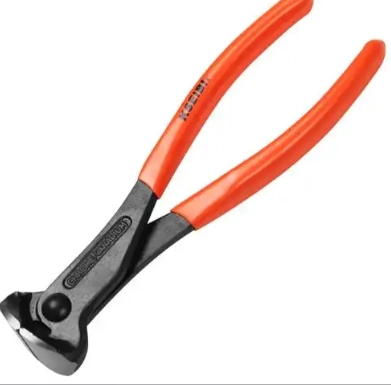
The Role of Clip Removal Pliers
Clip removal pliers are special tools. They pull out fasteners, trim clips, and panel retainers without causing harm. In car repair, panels often stay in place with weak plastic clips or push pins. These pliers keep the clips whole. They also protect the nearby materials. You need them for inside panels or outside trims. Even a small scratch shows up after you put things back together. Using them right cuts down repair time too. You skip broken clips that need new ones. Plus, they stop rattles from bad fitting later on. Think about dashboard work—those clips are everywhere, and messing them up means starting over.
Why Traditional Tools Fall Short
Lots of mechanics try screwdrivers or flat pry bars to pop clips loose. It can work at times. But it comes with a price. Those tools often twist or snap the clip tops. They also mark up paint near the holes. Clip removal pliers offer steady pull instead of raw power. So, they work better for careful jobs like taking off dashboards or door panels. The comfy handles cut down on hand tiredness during repeat tasks. Improvised ways don’t give that. In the long run, you notice the speedup and better results in fixes. For example, in a shop handling 20 cars a week, switching to these pliers shaved off about 15 minutes per job on average.
Key Features That Define Quality Clip Removal Pliers
When picking clip removal pliers, little design choices matter a lot for how well they hold up and work. Pros check the build materials, style options, and tip shapes first. These things change how the tool handles various car types. It’s not just about grabbing any pair; the right one fits your daily needs.
Material Construction and Durability
Good clip removal pliers come from high-carbon steel or chrome vanadium alloy. These give solid strength and last a long time. The materials stand up to bending when you tug on tough clips. A rust-proof layer guards against wetness in damp garage spots. There, water and grease are all over the place. Strong pivot spots keep steady force during lots of uses. That’s key for workers who grab the same tool every day. I’ve seen cheap ones snap after a month, but quality ones go years without a hitch.
Design Variations for Different Applications
Not every pair of clip removal pliers does the same job. Their shapes differ based on reach and what you’re doing. You pick what matches the spot.
Standard Clip Removal Pliers
Basic types deal with most everyday tasks. They handle door panels, bumper clips, and trim fasteners. These give even pull for average-strength clips inside cars.
Angled or Offset Pliers
Bent styles reach tight spots. Think behind dashboards or under fender liners. Straight tools just won’t go there. They also ease wrist pain. You don’t have to twist your hand oddly to push. In tight engine bays, this makes a world of difference, especially on imports with crammed layouts.
Specialty Tip Designs
Various tip forms—flat, forked, or notched—match different clip kinds from car makers around the globe. Tips with soft coatings avoid marks. They’re great near painted areas or soft plastics. That stops scratches needing fix-up paint down the line. One time, I used coated tips on a luxury SUV trim, and it came out perfect—no touch-ups required.
Practical Applications in Modern Vehicle Maintenance
Today’s cars use plastic fasteners a ton. They hold looks and structure parts in place. Clip removal pliers are a must in many fix areas. They pop up in all sorts of jobs now.
Interior Trim and Panel Work
These pliers make pulling door panels, dashboard trims, or seat backs less risky. They protect parts and keep hands safe. Whole retaining clips mean no shakes after putting back together. That’s a big problem if clips bend from wrong pulls. In family vans, where interiors see heavy use, this keeps things quiet and solid.
Exterior Body Repairs and Detailing Tasks
For body fixes like swapping bumper covers or detail work needing grille access, clip removal pliers let you split parts cleanly. They don’t harm paint edges or widen holes. On a recent fender repair, using them saved me from repainting the whole side—small wins add up.
Electrical System Access and Wiring Maintenance
Wiring bundles run along body panels. They stay put with harness clips. Clip removal pliers stop cuts to wire covers. That avoids shorts later. They also help keep wires neat for putting back. In electric cars, where wiring is denser, careful removal prevents costly electrical glitches.
How Clip Removal Pliers Improve Workshop Efficiency
In pro garages, time is money. Tools like clip removal pliers boost output. They cut job times and fix redo rates. It’s all about getting more done without the mess.
Reducing Repair Time and Labor Costs
A solid set of clip removal pliers speeds up takedown a bunch. Each clip pops out right the first time. So, you buy fewer replacements over time. That drops supply costs and worker hours. Shops report up to 20% faster interiors jobs with them. It’s practical math that keeps bills down.
Enhancing Safety and Ergonomics for Technicians
Comfy handles spread out the squeeze across your hand. This fights tiredness in long shifts of repeat work. Like stripping doors on truck fleets. A firm hold cuts slip chances too. That means fewer hand cuts or banged-up parts. Safety isn’t just talk—it’s fewer trips to the doc and smoother days.
Selecting the Right Clip Removal Pliers for Professional Use
Picking the best set ties to the cars your place fixes most. It also matches how picky your work is on detail versus quickness. Get it wrong, and you’re frustrated; get it right, and jobs flow.
Evaluating Build Quality and Brand Reputation
Known tool makers use well-heated steel. They keep tight fits at turn points. This leads to easy moves when loaded. Promises from trusted names show they stand by their build. Look for at least a one-year back-up—it’s a sign of real quality. In my experience, big brands rarely disappoint on the job site.
Matching Tool Specifications to Vehicle Types Serviced
Places use varied lock systems. Japanese rides lean on push retainers. European ones like twist locks. American cars blend both. Sets with many sizes tackle different clips fast. No tool swaps in the middle of a job. For a shop doing imports and domestics, a versatile kit handles 90% without fuss.
Maintenance Practices for Extended Tool Life
Clean them often to clear junk from joints. That stops sticky moves as time goes on. A bit of oil at turn spots keeps things gliding. Even after heavy daily pulls. It’s a quick step that adds years to the tool. Neglect it, and you’ll replace sooner than needed.
Emerging Trends in Automotive Clip Removal Tools
The car tool world keeps changing. It follows shifts in car builds with light stuff and tight setups. New ideas pop up to match.
Integration of Multi-function Designs
Builders now mix clip pulls with pry edges or screw pulls in one tool. This cuts down on box mess. It keeps spot-on work for many takedowns. Great for road techs with small kits. Imagine carrying half the gear but doing the same fixes— that’s the appeal in mobile work.
Advancements in Material Technology and Ergonomics
Fresh types have mix handles. They’re light but hold grip well, even with greasy palms. Better tip shapes fit new strong plastic clips. Those show up a lot in electric cars. Tool changes track car advances close. With EVs booming, expect more tools tuned for their unique clips. It’s exciting how fast things evolve—keeps the trade fresh.
FAQ
Q1: What makes clip removal pliers different from regular pliers?
A: They’re shaped specifically to slide under trim clips without breaking them, providing controlled leverage rather than crushing force typical of standard pliers.
Q2: Can you use one pair of clip removal pliers for all car models?
A: Not always; some vehicles use unique fastener shapes requiring varied tip designs or sizes for best results.
Q3: How often should clip removal pliers be lubricated?
A: Apply a drop of light oil every few weeks if used daily; this keeps pivot movement smooth under frequent stress conditions common in workshops.
Q4: Are angled clip removal pliers worth buying?
A: Yes—they make reaching hidden areas easier while reducing wrist strain during long jobs involving dashboards or wheel wells.
Q5: What’s the best way to store clip removal pliers?
A: Keep them dry inside a lined drawer or tool roll; exposure to moisture accelerates corrosion even on coated steel surfaces over time.


