
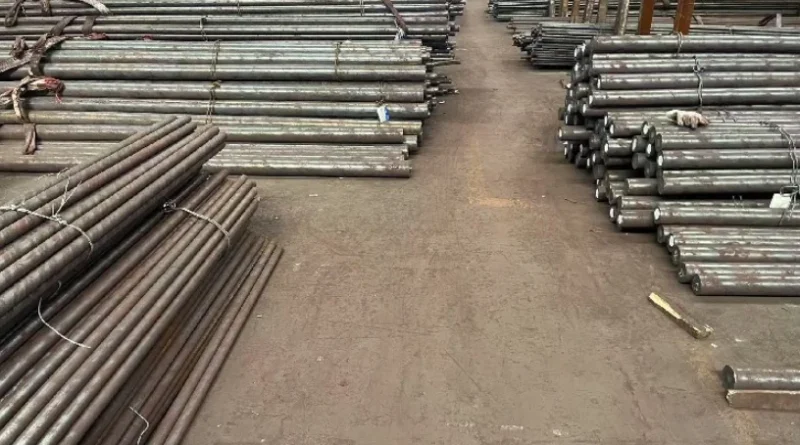
How Does 420 Stainless Steel Enhance Dimensional Accuracy in Dies
420 Stainless Steel in Precision Manufacturing: A Guide for Mold and Die Designers
420 stainless steel remains one of the most flexible materials for precision molds and dies. It mixes strong hardness potential, decent corrosion resistance, and great polishability. This makes it fit well for high-gloss plastic injection molds and die-casting inserts. When heat-treated the right way, it gives steady size control under repeated heat cycles. That matters a lot for keeping tight sizes in today’s tooling work.
Material Characteristics of 420 Stainless Steel
How 420 stainless steel works in mold design comes from its mix of elements, strength numbers, and heat behavior. Each one shapes how long the tool lasts, how easy it cuts, and what kind of surface you get.
Chemical Composition and Alloying Elements
420 stainless steel is a martensitic grade. It holds about 12 to 14 percent chromium and up to 0.4 percent carbon. The chromium builds a thin oxide layer. This layer gives better rust protection than plain carbon steels. Still, too many carbides at higher carbon levels can cut that protection a little. Carbon helps the steel harden well and fight wear after heat treatment. It lets hardness go past 50 HRC.
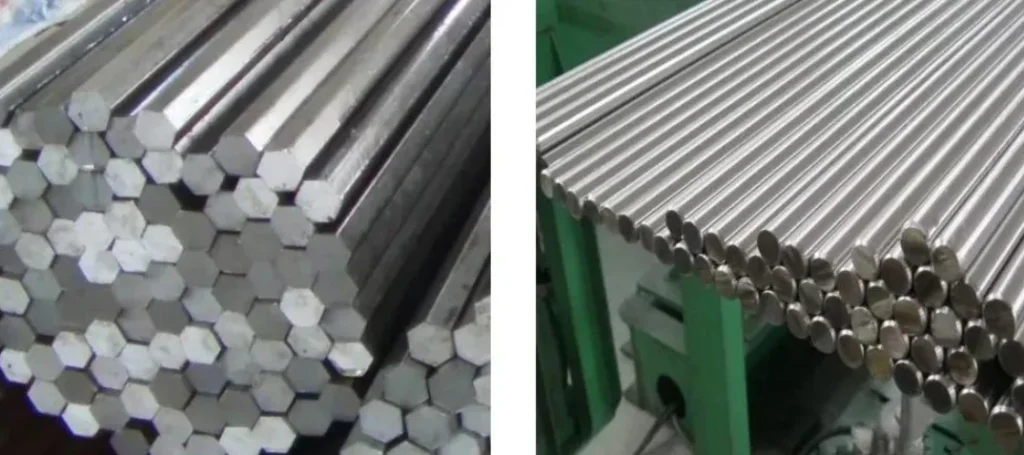
Next to other martensitic grades like 410 or 440C, 420 gives a middle ground between toughness and rust protection. 440C can reach higher hardness because it has more carbon, yet it breaks easier and cuts tougher. On the other side, 410 stays tougher but does not get as hard.
Mechanical Properties Relevant to Mold Design
After good hardening and tempering, 420 stainless steel usually hits hardness from 48 to 52 HRC. Tensile strength sits around 700 to 950 MPa. It depends on how you temper it. Stretch stays at about 10 to 15 percent. That amount helps stop cracks while the mold works.
In high-pressure injection molding, the steel keeps its shape even when the mold opens and closes again and again. The mix of some give and high push strength lets it hold up against big clamping forces that can top hundreds of megapascals on cavity cores.
Thermal Conductivity and Dimensional Stability
Heat moves through 420 stainless steel slower than through tool steels like P20 or H13. Cooling takes longer, so cycle time can stretch if the cooling channels are not laid out well. Yet the steel keeps its size steady after many heat ups and cool downs. This makes it strong for exact parts that need almost no warp.
When the temperature swings between room level and normal molding heat up to 200 °C, size shifts stay easy to predict once the steel is fully tempered. Shops use this steadiness for tight work on optical molds where even tiny moves can change part shape or shine.
Heat Treatment Processes for 420 Stainless Steel Molds
Heat treatment sets the final strength numbers for this steel. Good control of the heat steps decides both how even the hardness is and how well it fights rust.
Hardening and Tempering Techniques
The best heat step runs from 980 to 1050 °C. Then comes oil or air quench based on part thickness. Going hotter than that can make grains grow big and hurt polish. Tempering from 150 to 370 °C sets the hardness. Lower heat keeps hardness high. Higher heat adds toughness but lowers rust protection a bit.
Quench choice matters for shape. Oil cools fast and can bend big parts. Air cools slower yet gives better size control if you time it right.
Surface Hardening and Polishing Treatments
Treatments like nitriding or PVD coatings add wear life without hurting the inside toughness. Nitriding puts nitrogen into the top layer. Hard nitrides form and fight wear from glass-filled resins.
Good polish needs a clean structure from the heat steps. Even martensite with little carbide clumps lets you reach mirror finishes. These finishes matter for lens molds or clear plastic cases.
To reach mirror surfaces below Ra 0.02 µm, start with diamond paste from 9 µm down to 0.25 µm. Finish with buffing on felt wheels. This gives clear results without orange peel marks.
Corrosion Resistance in Mold Environments
Rust control stays important because molds often sit in damp air or use water cooling that can start oxidation if left alone.
Performance in Humid or Cooling-Water Conditions
During breaks or service stops, leftover water can cause rust near vents or parting lines. Passivation with nitric acid brings back the oxide layer that blocks pitting. Water quality changes rust speed. High chloride levels speed attack on polished faces. Deionized water plus rust blockers stretches mold life a good amount.
Thin PVD layers or oil preservatives during storage stop air rust between runs. In real shops, workers check these steps often to avoid surprise spots.
Comparison with Alternative Mold Steels
Against S136 or H13, plain 420 gives medium rust protection at lower cost. It needs more care in wet spots though. S136 has cleaner steel so it polishes better for lens work. H13 handles sudden heat shocks well in die casting.
440C gets harder than all three but turns brittle. That limits it in complex shapes where hits happen often. Choice comes down to cost versus how much wet exposure and finish level you need.
Machinability and Fabrication Considerations
Cutting behavior shifts a lot between soft and hard states. Knowing the difference helps keep accuracy through all steps.
Cutting Parameters for Precision Machining
In the soft state around 200 HB, carbide tools at 25 to 35 m per min give clean cuts without fast wear. Once hardness passes 45 HRC, coated carbide or ceramic inserts work better. Feeds drop below 0.05 mm per rev to avoid edge chips.
Flood coolant helps move chips out during deep cuts. Shops often add a stress relief pass after rough work before the last cuts. This keeps final size on target.
EDM, Grinding, and Polishing Practices
EDM works well for fine vents or sharp corners that normal tools miss. The thin recast layer left by EDM must come off by light grinding or polishing. Otherwise small cracks can shorten mold life.
Grinding uses 46 to 60 mesh wheels with light pressure. Too much heat burns the surface and leaves tension that can crack later under load. A steady polish sequence with finer stones then diamond paste gives the clear finish needed for phone lens molds or LED tools.
Applications in Precision Mold Design
420 stainless steel fits many mold types where looks and strength both count.
Injection Molds for Engineering Plastics
Shiny car trim parts gain from the steel’s mirror finish and its resistance to chemical attack from flame retardants or colorants. Wear strength supports long runs even with glass-filled polycarbonate. Under months of nonstop heat cycles, size steadiness keeps each batch of parts the same.
Use in Die Casting Inserts and Prototype Tooling
For aluminum die casting inserts near gates, hardened 420 fights molten metal wear and still polishes easier than H13. In prototype work, pre-hardened 420 plates let shops cut cavities right away without extra heat steps. This suits short trials that check new designs before full production. Hybrid setups pair a hardened 420 core with cheaper P20 bases to save money while keeping performance.
Maintenance, Repair, and Longevity Strategies
Good care stretches mold life and cuts down time spent on fixes.
Preventive Maintenance Practices for 420 Steel Molds
Cleaning skips harsh pads that scratch polish. Mild cleaners plus air dry keep shine for clear parts. Lubes must suit stainless so they do not stain at heat near pins or slides. Regular checks under a magnifier catch wear early and let crews repolish before parts go bad.
Welding, Reworking, and Life Extension Techniques
Repair welds use filler wire close to the base, like AWS ER420. After weld, temper near 300 °C brings hardness back even across the joint without weak spots. Micro polish plus fresh thin coatings bring old cavities back to work for thousands more cycles.
FAQ
Q1: What distinguishes 420 stainless steel from other mold steels?
A: It balances good hardness potential with fair corrosion resistance while remaining easier to polish than higher-carbon grades like 440C or hot-work steels such as H13.
Q2: How does heat treatment affect its performance?
A: Controlled hardening followed by proper tempering refines martensitic structure improving both toughness and polishability essential for high-gloss mold applications.
Q3: Can it withstand aggressive plastic resins?
A: Yes, when fully hardened it resists abrasion from glass-filled polymers though protective coatings may further extend service life under severe conditions.
Q4: What machining precautions are needed?
A: Use sharp carbide tools at low feeds with abundant coolant; stress-relieve between roughing and finishing stages to prevent distortion after final polishing.
Q5: How long can a well-maintained mold last?
A: With regular cleaning, passivation, lubrication checks, and occasional re-polishing cycles every few hundred thousand shots depending on resin type—service life often exceeds several million molding cycles without major refurbishment needs.