
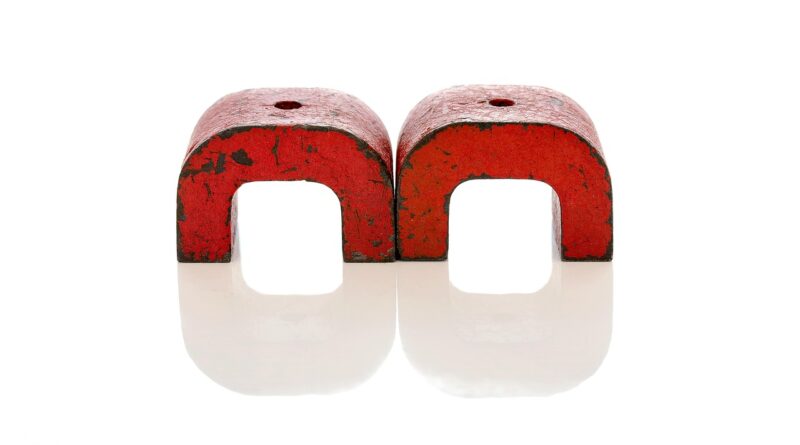
Which Magnetic Metals Are Best for Your Project?
What Are Magnetic Metals?
Magnetic metals are metals that react to a magnetic field strongly enough to matter in hardware, fabrication, sorting, sensing, or lifting. If you buy sheet, bar, fasteners, brackets, or machined parts, the magnetic response can affect how the part works, along with strength and corrosion resistance. For more material selection topics, see the Metals & Surfaces section.
The basic answer is easy, but real parts are not always that tidy. Iron, nickel, cobalt, and many of their alloys are the main magnetic metals used in industry. Steel, because it is iron based, is the one most buyers see every day. Some stainless steels are magnetic, some are not, and some sit in the middle, where a magnet pulls a little in one area and not in another.
Ferromagnetism in Plain Shop Terms
Most strong magnetic behavior in metal comes from ferromagnetism. In these materials, small magnetic regions can line up in the same direction. The U.S. Environmental Protection Agency explains magnetic susceptibility as a material’s ability to become magnetized, and notes that ferromagnetic materials include iron, nickel, cobalt, and many of their alloys. That is the basic reason a magnet can pick up a steel washer from a bench.
The Iron, Nickel, and Cobalt Core
Iron gives the most familiar magnetic response because it is the base of carbon steel, cast iron, tool steel, and many magnetic stainless grades. Nickel and cobalt show up more in specialty alloys, coatings, batteries, superalloys, sensors, and permanent magnet systems. They are not the usual choice for simple brackets. When a project needs heat stability, high magnetic saturation, or special expansion behavior, they can become important quickly.
Why Alloy Structure Changes the Result
Magnetism is not decided by the element list only. Crystal structure, heat treatment, cold work, carbon level, and phase balance can change the result. That is why 304 stainless can be almost nonmagnetic after annealing, then show a mild pull after heavy forming. A magnet test helps during sorting, but it is not a full grade check. Treat it as a clue, not a certificate.
Which Magnetic Metals Matter Most in Real Hardware?
For most buyers, the useful question is not which element is magnetic in a textbook. The useful question is which material behaves well in the part you need to make. A latch plate, motor shaft, food equipment bracket, transformer core, and magnetic separator do not need the same metal.
Carbon Steel and Cast Iron for Everyday Pull
Carbon steel is often the default choice when you need a strong magnetic response at a workable cost. Mild steel sheet, low carbon bar, black iron pipe, and many stampings respond strongly to a simple magnet. Cast iron also reacts well, but its brittleness and casting structure make it a different design choice. In receiving inspection, these materials are usually simple to sort. Coating, dirt, or heavy scale can still make the check less clear.
Ferritic and Martensitic Stainless for Corrosion Plus Magnetism
If you need corrosion resistance and a magnetic response, look first at ferritic and martensitic stainless grades. Grade 430 is a common ferritic option for appliances, trim, and some food area parts. Grades such as 410 and 420 are martensitic and can be hardened. They are magnetic, but corrosion resistance is not equal to 304 or 316. That point gets missed in purchasing more often than it should.
Nickel, Cobalt, and Specialty Alloys for High Value Jobs
Nickel and cobalt alloys cost more, so there needs to be a clear reason to use them. ASTM A801-21, for example, covers wrought iron-cobalt high magnetic saturation alloys for magnetic components, including nominal compositions such as 49 percent cobalt, 49 percent iron, and 2 percent vanadium. That is not hardware-store metal. It is the kind of alloy you look at for compact magnetic components where ordinary steel is too limited. The buying decision usually depends on performance, size, and heat conditions, not just magnet pull.
Are All Steels Magnetic?
No, all steels are not magnetic in the same way. Steel is iron based, but alloy content and structure decide the final response. This is one of the easiest areas to get wrong when ordering stainless parts from drawings, especially when the print says only “stainless steel” and says nothing about magnetic behavior.
Mild Steel Usually Gives a Strong Response
Low carbon steel usually gives a clear, strong magnetic pull. That is why magnetic lifters, shop magnets, and conveyor separators work well with mild steel scrap. The World Steel Association reported total world crude steel production of 1,849.4 million tonnes in 2025, showing why magnetic steel dominates practical metal use. It is widely made, widely stocked, and widely recycled.
Austenitic Stainless Often Gives a Weak or Mixed Response
Austenitic stainless grades such as 304 and 316 are often described as nonmagnetic, but that can sound too simple. In the annealed state they may show little pull. After bending, deep drawing, rolling, or machining, some areas may become partly magnetic. A formed sink corner, a cold worked screw head, or a stamped clip can act differently from flat annealed sheet. This is why two parts with the same grade name may not feel the same under a magnet.
Cold Work and Heat Treatment Can Change the Test
Heat treatment can soften, harden, relieve stress, or change phases in steel. Cold work can do something similar, but often only in the worked area. That means a magnet may stick strongly to one batch and lightly to another, even when both came from a similar family. If magnetic behavior matters for a sensor, switch, or separator, ask for the grade, condition, and process route. Do not rely on the grade name alone when the magnetic response is part of the function.
How Should You Choose Magnetic Metals for a Project?
Start with the job the metal must do, not with the magnet. A material can be strongly magnetic and still fail from rust, heat, fatigue, wear, or poor machinability. A short checklist helps you avoid buying a metal that passes the magnet test but fails in service.
- Define whether you need attraction, shielding, sensing, or permanent magnet behavior.
- State the working temperature, moisture level, chemical exposure, and load.
- Confirm grade, heat treatment, surface finish, and inspection method before production.
Pull Strength and Permeability Requirements
If the part works inside a magnetic circuit, permeability matters, not just pull by hand. NIST Technical Note 1532, published in 2021, points out that relative permeability, conductivity, and geometry all affect metal detector response. The same point shows up in shop work. A thick steel plate, a thin stamped clip, and a narrow pin may not behave the same even if the alloy name looks similar. Shape and thickness can change the result more than people expect.
Corrosion, Temperature, and Wear Conditions
Outdoor brackets, marine fittings, washdown parts, and chemical plant hardware need more than magnetism. A plain carbon steel part may give a great magnetic pull and then rust in weeks. A 430 stainless part may resist mild indoor moisture, while 316 may resist corrosion better but give weak magnetism. High heat adds another concern. Ferromagnetic metals lose strong magnetic order above their Curie temperature, so service temperature needs to be checked early.
Availability, Cost, and Supply Risk
Cost matters in real purchasing, not only in engineering notes. Carbon steel is easy to source. Ferritic stainless is usually more available than cobalt-rich alloy. The U.S. Geological Survey Mineral Commodity Summaries 2026 describes broad 2025 mineral production, trade, reserves, and supply information across major materials. For nickel and cobalt, that kind of supply data matters because pricing and availability can move faster than many finished-goods buyers expect. See also: Bolts & Fasteners.
How Can You Test Magnetic Metals Before Buying?
A simple magnet can tell you a lot, but it cannot tell you everything. Use it as a first screen, then back it up with paperwork and, when the project is important, test the material in the actual assembly. A small magnet on a keychain is useful, but it is not a lab.
A Magnet Check for Quick Sorting
For quick sorting, hold the same magnet against each sample with the same contact area. Compare pull by feel, but do not turn that hand feel into a test report. Painted surfaces, plating, dirt, gaps, and part thickness all change the result. A magnet that barely holds to a thin stainless washer may hold better to a thicker part made from the same grade. Keep the check simple and consistent, or the comparison becomes guesswork.
Grade Documents and Standards for Real Control
For buying, ask for a mill test report or certificate of conformance when the job needs traceability. The document should match the grade, chemistry, mechanical condition, and standard on your drawing or purchase order. If a supplier cannot confirm whether the material is 304, 316, 430, 410, or low carbon steel, the magnet test is not enough to protect the order. It may catch an obvious mix-up, but it will not prove the exact material.
Prototype Testing in the Final Assembly
Testing the final assembly sounds slow, but it can prevent expensive returns. Try the metal near the sensor, magnet, coil, latch, or separator that will actually be used. Check it after plating, passivation, welding, polishing, or heat treatment. Processes after cutting can change the magnetic response. Small parts can still create large service problems when this step is skipped.
What Mistakes Should You Avoid With Magnetic Metals?
The biggest mistakes come from treating magnetism as a single yes-or-no property. In real metal supply, magnetism has strength, direction, temperature limits, history, and geometry. A sound choice balances magnetic behavior with the rest of the part requirements.
Treating Magnetism as a Grade Certificate
A magnet sticking to a part does not prove the exact grade. It may show that the metal is carbon steel, ferritic stainless, martensitic stainless, duplex stainless, cold worked austenitic stainless, or a plated part over a magnetic base. For incoming inspection, use magnetism for sorting and spotting mistakes. Use documents or lab testing for final grade confirmation.
Ignoring Heat Near the Curie Point
Temperature can change magnetic behavior. If a part sits near an oven, motor, brake, furnace door, welding fixture, or high power coil, ask about the working temperature before choosing the metal. Nickel loses ferromagnetic behavior at a much lower temperature than iron or cobalt. For hot service, a quick room-temperature magnet check can give false comfort.
Confusing Magnetizable Metals With Permanent Magnets
Many magnetic metals are soft magnetic materials. They are easy to magnetize and demagnetize, which is useful for cores, shields, and temporary attraction. Permanent magnets need high coercivity, so they keep magnetism after the field is removed. Neodymium iron boron and samarium cobalt magnets are different product families from plain steel bar, even though metal names overlap.
FAQ
Q1: What Are the Most Common Magnetic Metals? A: The most common magnetic metals are iron, steel, nickel, cobalt, and many alloys based on those elements. In daily hardware, carbon steel and cast iron are the easiest examples to find.
Q2: Is Stainless Steel Magnetic? A: Some stainless steel is magnetic. Ferritic grades like 430 and martensitic grades like 410 usually are magnetic. Austenitic grades like 304 and 316 are usually weakly magnetic or nonmagnetic when annealed, but cold work can change that.
Q3: Is Aluminum a Magnetic Metal? A: Aluminum is not a magnetic metal in the practical shop sense. A normal magnet will not stick to it. The same is true for copper, brass, and bronze under ordinary conditions.
Q4: Can a Magnet Test Identify a Metal Grade? A: No. A magnet test can help sort materials, but it cannot prove the exact grade. Use grade documents, chemistry testing, or supplier certification when the material choice affects safety, corrosion, or product function.
Q5: Which Magnetic Metal Should You Choose for Outdoor Parts? A: If the part needs both magnetism and better rust resistance, consider ferritic stainless such as 430 for mild conditions. For harsh outdoor or marine service, check the full corrosion requirement first because the most corrosion-resistant stainless grades may not give strong magnetism.


