

What Are Stubby Ratcheting Wrenches Used For in Precision Work
What Are Stubby Ratcheting Wrenches?
Stubby ratcheting wrenches are small tools built for careful jobs in tight spots. Standard wrenches often can’t fit there. Their brief handles and built-in ratcheting parts make them a must-have in pro tool collections. Mechanics, engineers, and techs grab them often for work with little room to move.
Definition and Features
A stubby wrench set stands out with its small shape. This lets people get to bolts or nuts in narrow areas. It keeps things quick and easy. The ratcheting part inside helps tighten or loosen fasteners fast. You don’t have to pull the wrench away from the bolt head. Most sets include several sizes. They cover metric and imperial units. This fits many different jobs.
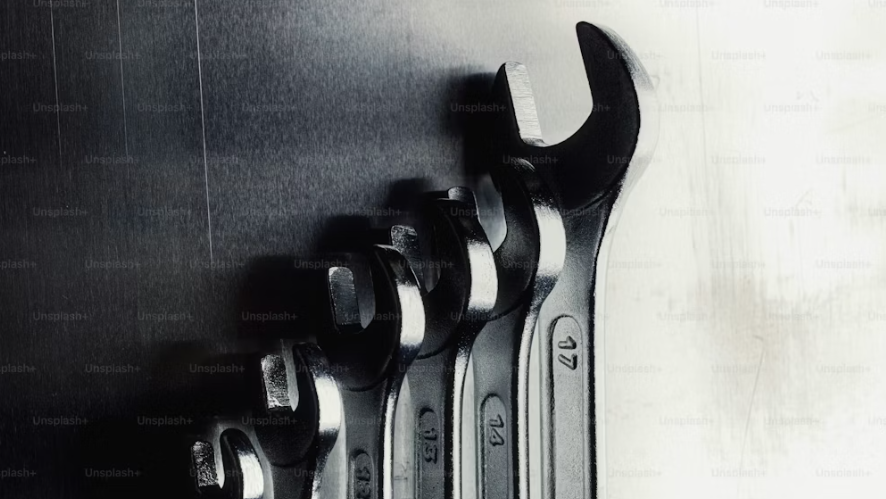
Material and Build Quality
Strong chrome vanadium or chrome molybdenum steel goes into these wrenches. It holds up well and fights off wear. Lots of models have handles that fit the hand nicely. This boosts comfort during long jobs. A finish like nickel-chrome plating stops rust. It also guards against chemicals. That keeps them working longer.
Types and Variations
Stubby ratcheting wrenches fit both metric and imperial needs. They match worldwide standards. Some kinds have heads that bend up to 180 degrees. This gives more room to move around blocks. The number of teeth in the ratchet changes too. More teeth mean smaller steps per turn. That’s great for exact work in putting things together.
Why Use Stubby Ratcheting Wrenches in Precision Work?
In places where space counts down to the tiniest bit, stubby ratcheting wrenches give top access and grip. Their small build makes them key for techs on tricky setups. Or for upkeep jobs that need soft torque handling. Think about fixing a car engine on a rainy day in the garage—these tools just fit right in without hassle.
Advantages in Confined Spaces
These tools shine at getting to fasteners deep in engine areas or behind walls. Regular wrenches are too big there. The short size cuts down on hand tiredness. You reposition less in repeat work. Plus, they move better even in very small spots. For instance, in a crowded toolbox drawer, they slip in easy.
Precision and Control Benefits
The fine teeth let you turn in small steps. Often just 5 degrees each click. This suits steady tightening. The short swing keeps torque even. It stops you from going too hard. That’s vital for soft parts like aluminum boxes or electronic spots. I’ve seen techs swear by them for delicate bike repairs—no slips, no damage.
Efficiency in Repetitive Tasks
A switch inside flips the turn direction right away. No need to lift off the fastener. This picks up speed in repeat jobs. Like attaching brackets or putting up panels on lines. It saves time over full days. In a busy shop, that adds up—maybe 20% faster on bolt runs, from what pros tell me.
How Do Stubby Ratcheting Wrenches Compare to Standard Wrenches?
Both handle fastening, but stubby ones focus on careful work, not raw power. They work alongside regular long tools in a pro kit. Not as replacements.
Size and Accessibility Differences
Stubby types have brief handles. They work well in packed machine spots or car insides. The small size fits around things like tubes or wires. Full ones can’t do that. Picture squeezing into an old truck’s dash—these make it doable without frustration.
Performance and Versatility Contrast
The ratchet speeds things up. Do not remove and reset each turn. But their size means less push power than long ones. So they fit light jobs better. Not for cracking tough bolts free. Still, for everyday tweaks, they’re handy across tasks.
Cost and Investment Considerations
Prices shift with brand name, steel strength, and ratchet tooth sharpness. Top sets cost more at first. But they last and work well. That pays off for pros in fields like plane work or car fixes. A good set might run $50 to $150, depending on the pieces—worth it if you use them weekly.
Where Are Stubby Ratcheting Wrenches Commonly Used?
These handy tools pop up in fields where tight space meets the need for exact work. From car care to machine building, they stay useful. Even in home garages for weekend warriors tinkering with bikes.
Automotive Industry Applications
Car fixers use stubby wrench sets in engine zones with little room. They’re perfect for suspension jobs or dash setups. You reach spots behind big parts. No big teardown needed. Say you’re under a sedan changing brakes—these get the job done quick.
Aviation Maintenance Tasks
Plane techs rely on them for building body parts or electronics areas. Space is tight, but exact moves matter a lot. They help with safe tweaks in checks or fixes. In a hangar, one slip could mean delays, so control is everything.
Industrial Machinery Repairs
Factory workers use stubby ratcheting wrenches on small machines like belt lines or robot parts. The tiny shape lets them tighten bits in busy areas. No stopping work for take-apart. Keeps things running smooth, especially during shift changes.
What Factors Should Be Considered When Selecting a Stubby Ratcheting Wrench Set?
Picking the best set means weighing build, size spread, hand fit, and maker trust. All these shape how the tool holds up over time. Don’t rush—a bad pick can slow you down on the job.
Quality and Brand Reputation
Go for known makers. They give solid steel and true cuts. Brands with forever promises show they stand by their stuff. That’s a sign of long life when you buy pro gear. Look for ones with good shop reviews, not just ads.
Set Composition and Size Range
A full stubby wrench set needs many sizes. Cover metric from 8 to 19 mm. And imperial from 5/16 to 3/4 inch. Bendy head choices add bend for odd spots in fixes. This covers most shop needs without gaps.
Ergonomics and User Comfort
The handle shape changes how it feels to use. Shaped grips stop slips in greasy spots. Even weight helps hold steady for long hauls. Pros like sets that keep hands happy through full days. Comfort isn’t just nice—it cuts errors.
How Can Stubby Ratcheting Wrenches Be Maintained?
Basic upkeep keeps them sharp and long-lasting. Key when they face grease or chip dirt each day in shops. Skip it, and you’ll regret the stuck gears later.
Regular Cleaning Practices
After work, wipe them with a dry cloth. This clears dirt that gums up the ratchet. For thick gunk, use gentle cleaners with soft brushes. Don’t scratch the shine. Do this weekly if you’re in a dusty shop—it prevents small issues from growing.
Proper Storage Solutions
Put your stubby wrench set in padded boxes. It stops falls that knock gears out of line. Keep away from wet spots to dodge rust. A wall rack works too; it’s easy to grab. Organized tools mean less hunt time on the bench.
Lubrication and Care Tips
Put a bit of light oil in the ratchet head now and then. It keeps gears turning smooth. Don’t pour too much—it pulls in dust and wears things fast. A drop or two every couple weeks does fine for usual use. Check after heavy jobs to stay ahead.
What Are the Limitations of Stubby Ratcheting Wrenches?
They rock in small areas but have real bounds on power and fit for big parts. Know these to pick right and avoid breaks.
Limitations in Torque Application
Short handles cut the push you can give. So they’re no good for big force needs, like freeing rusty bolts on heavy frames. Pair with long bars for extra muscle, then. In tough spots, like farm equipment, you feel the limit quick.
Compatibility Issues with Larger Fasteners
Their small jaws won’t take huge nuts on big shafts or truck parts. You need regular long ones for those. It’s a design trade-off—great for tiny, not giant. Measure your bolts first to match.
Durability Concerns Under Heavy Use
Lots of hard pulls speed up gear wear if steel isn’t tough enough. Pick high-grade builds to fight that. Stick to oil routines for a longer life. In rough sites like construction yards, cheap ones fail fast—learn from that.
FAQ
Q1: What makes a stubby wrench set different from regular ones?
A: Its shorter handle allows better access in cramped spaces while maintaining a built-in ratchet mechanism for faster operation compared to fixed-end traditional designs.
Q2: Can these wrenches handle heavy-duty applications?
A: They’re primarily meant for light-to-medium torque tasks; using them beyond rated limits risks damaging the internal gears or rounding fasteners.
Q3: Are flexible-head versions worth buying?
A: Yes, especially if you frequently work around obstructions since adjustable heads improve reach angles without compromising torque delivery much.
Q4: How often should I lubricate my stubby ratcheting wrench?
A: Light lubrication every few weeks—or sooner if used daily—keeps gears smooth while preventing corrosion buildup inside moving parts.
Q5: What’s an ideal number of pieces in a professional stubby wrench set?
A: A well-balanced kit typically includes 10–14 pieces covering both metric and imperial sizes suitable for most workshop needs across automotive or industrial settings.


