
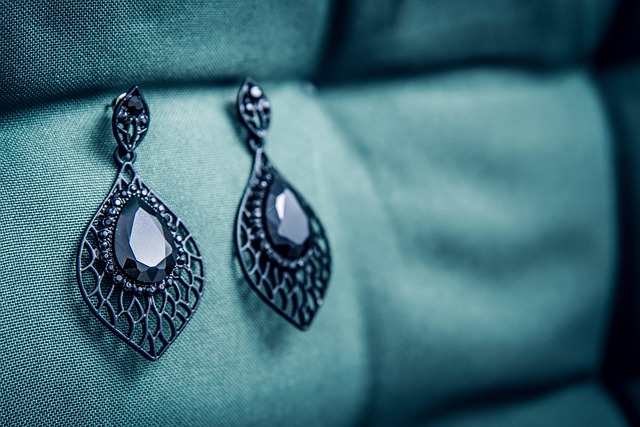
Are Diamond Ear Rings Still A Valuable Investment In Global Trade
Valuable Diamond Ear-Rings Stolen
The theft of valuable diamond ear rings is not only a criminal event but also a reflection of how these objects function as global symbols of wealth and liquidity. Historically, diamond jewelry has served as both adornment and portable capital. Today, their role in global trade remains complex—tied to shifting consumer ethics, evolving certification systems, and macroeconomic cycles. The following analysis explores the historical, economic, and investment dimensions that shape the value and perception of diamond earrings within international commerce.
The Historical and Economic Context of Diamond Earrings in Global Trade
The story of diamond ear rings parallels the broader evolution of luxury markets. From royal treasuries to modern auction houses, diamonds have moved with empires, economies, and social values.
Evolution of Diamonds as a Symbol of Wealth and Value
Diamonds have long represented prestige, rarity, and durability. In ancient India and later Europe, they signified divine favor or noble rank. As global trade expanded through colonial routes in the 17th century, diamonds became accessible to merchant elites who used them to display newfound prosperity. Over time, shifts in global wealth distribution—from Western aristocracy to emerging Asian economies—reshaped demand patterns. The perception of diamonds evolved from mere ornaments into financial instruments, often serving as hedges against inflation or political instability.
The Role of Diamond Earrings in International Commerce
In cross-border trade, diamond earrings serve as portable stores of value. They can be transported discreetly across jurisdictions where formal banking systems are weak or volatile. Yet their liquidity depends on trade regulations and taxation frameworks that vary by country. For instance, import duties or value-added taxes can significantly alter resale margins. The secondary market for diamond jewelry—especially through auction platforms—mirrors broader economic trends: when equity markets decline, interest in tangible assets like diamonds tends to rise.
Assessing the Investment Potential of Diamond Earrings
Evaluating diamond earrings as investments requires comparing them with other tangible assets such as gold or fine art while considering their unique market constraints.
Tangible Asset Characteristics in Comparison to Other Investments
Unlike digital or paper-based assets, diamonds offer physical ownership that appeals to investors seeking security outside financial institutions. However, the absence of standardized pricing complicates valuation; two stones with identical grades may differ widely in price due to subtle variations in cut or provenance. Liquidity also differs from commodities like gold because resale channels for jewelry are fragmented and often dependent on specialist appraisers rather than open exchanges.
Market Volatility and Price Determinants
Global supply from mining regions such as Botswana or Russia directly influences pricing trends. When production decreases due to labor disputes or environmental restrictions, prices typically strengthen. Consumer sentiment plays a short-term role: during luxury spending booms, retail prices surge; during recessions, they soften sharply. Currency fluctuations further affect international trade dynamics since diamonds are priced primarily in U.S. dollars but traded globally across multiple currencies.
Factors Influencing the Current Value Retention of Diamond Earrings
Recent years have brought structural changes to how value is perceived within the diamond industry—particularly due to technological innovation and changing consumer ethics.
Impact of Lab-Grown Diamonds on Perceived Value
Synthetic alternatives now exert downward pressure on natural stone prices by offering visual parity at lower cost. Certification standards are adapting quickly to distinguish authenticity through laser inscriptions or advanced spectroscopy tests. This has led to clear segmentation between natural and lab-grown markets: collectors still favor natural stones for rarity while younger consumers embrace synthetics for ethical reasons.
Shifting Consumer Preferences in Luxury Goods Markets
Younger demographics increasingly prioritize sustainability over traditional status symbols. Ethical sourcing—from conflict-free mines verified by independent auditors—has become central to brand reputation and resale potential. Transparency initiatives also influence purchase decisions; buyers now expect traceable supply chains that confirm environmental responsibility. Meanwhile, customization trends such as bespoke earring designs reshape how collectors assign emotional and monetary value.
The Role of Certification, Grading, and Provenance in Investment Decisions
Certification remains the cornerstone of trust within the diamond ecosystem. Without standardized grading and verifiable provenance, even high-quality stones lose credibility among institutional investors.
Importance of Gemological Standards in Valuation Accuracy
Grading reports issued by recognized institutions like GIA or IGI establish consistent benchmarks for cut, clarity, color, and carat weight—the “Four Cs.” These parameters drive price differentials that can exceed 50% between similar-looking stones. Provenance documentation adds another layer of protection against fraud by confirming geographic origin and ownership history—a crucial factor when large sums are involved.
Emerging Technologies Enhancing Transparency in Diamond Trade
Blockchain applications now track every transaction from mine to retailer with immutable digital records. Digital certificates stored on decentralized networks simplify verification for international buyers who previously relied on physical paperwork prone to forgery. Integration with online marketplaces expands investor access while maintaining data integrity across borders—a development particularly relevant for high-value items like diamond ear rings traded privately between collectors.
Future Outlook for Diamond Earrings as an Investment Asset Class
The next decade will likely redefine how investors perceive jewelry assets amid inflationary pressures and evolving sustainability narratives.
Long-Term Economic Trends Affecting Demand Stability
Persistent inflation may renew interest in tangible luxury goods that preserve purchasing power better than cash holdings. Expanding middle-class populations across Asia continue driving baseline consumption even when Western markets stagnate. Moreover, stricter environmental standards could elevate natural diamonds’ scarcity premium if mining output declines under new regulatory regimes.
Strategic Considerations for Investors in the Global Jewelry Market
For seasoned investors, portfolio diversification benefits depend heavily on entry timing and quality selection rather than speculative trading. Monitoring market cycles—such as post-pandemic rebounds or currency realignments—helps optimize resale opportunities through auction houses or private dealers. Professional appraisals remain essential tools for accurate asset management within global trade contexts where authenticity verification directly impacts liquidity outcomes.
FAQ
Q1: Are diamond ear rings considered reliable long-term investments?
A: They can be reliable if purchased with proper certification and held over extended periods when market volatility stabilizes values relative to inflationary trends.
Q2: How do lab-grown diamonds affect resale prices?
A: Lab-grown options typically reduce demand for lower-grade natural stones but enhance transparency overall by pushing traditional sellers toward clearer disclosure practices.
Q3: What certifications matter most when buying investment-grade earrings?
A: Reports from institutions like GIA or IGI carry highest credibility because they apply internationally recognized grading standards ensuring valuation consistency.
Q4: Do geopolitical events influence diamond pricing?
A: Yes, disruptions such as sanctions on mining nations or currency instability can shift supply chains rapidly affecting wholesale prices worldwide.
Q5: Why do some collectors prefer vintage earrings over new ones?
A: Vintage pieces often carry historical provenance that enhances rarity appeal while bypassing modern ethical concerns linked to new mining operations.


