
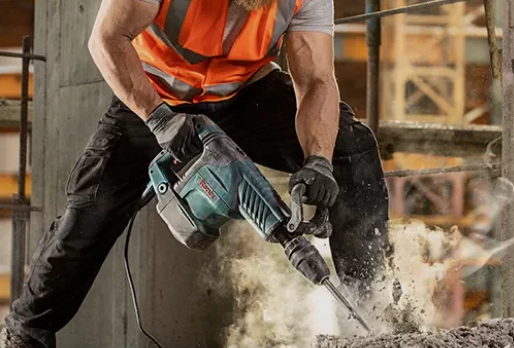
What Makes a Jack Hammer Essential in Modern Construction Work
The Role of Jack Hammers in Modern Construction
In today’s construction world, the jack hammer stays as one of the key tools for breaking hard surfaces fast and accurately. You might face tough reinforced concrete in a tall building teardown or need to remove asphalt for road fixes. The proper jackhammer can boost work speed and keep things safe on the site. It works well because it mixes strong hits with steady chiseling. This lets you handle tough stuff that would need big machines otherwise. I recall a site where a simple jack hammer saved hours compared to waiting for a bulldozer.
Functionality of a Jack Hammer
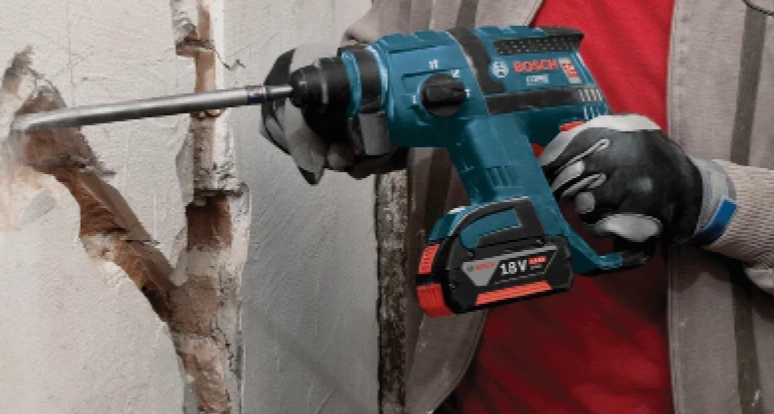
A jack hammer runs by mixing quick hammering and chiseling moves to break solid materials well. The inside piston hits a drill bit or chisel over and over. It sends energy right into the surface. This repeating hit makes it great for cracking concrete, stone, or asphalt. The tool’s build lets you hold it by hand or mount it on machines based on the job size.
Various models exist—pneumatic, electric, and hydraulic. They fit different site needs. Pneumatic types use compressed air. Electric ones get power from outlets or generators. Hydraulic models link up with excavators or carriers. On big jobs like bridge teardowns or mining, steady work often comes from matching the jack hammer with good compressors or hydraulic packs. These keep steady pressure going. For instance, in a recent quarry project, a reliable compressor kept the tool running without hiccups for eight hours straight.
Applications Across Construction Environments
Jack hammers find use in many construction spots. These include demolition jobs, tunnel builds, road fixes, and digging foundations. In demolition, they let you take down old concrete parts without hurting nearby bits. For roadwork, these tools break asphalt fast for new layers. In tunnels and foundation prep, they shape rock and clear junk in tight spots where big gear won’t go.
City build areas gain a lot from small electric models. These give exact work in cramped places. They cut down noise and shakes too. Take basement updates or taking out inside walls in town buildings, for example. Electric jack hammers move easily there. They don’t risk the building’s strength around the area. One urban crew I heard about used one to avoid complaints from neighbors about noise.
Types of Jack Hammers and Their Operational Principles
Picking the right type of jack hammer mostly depends on your job’s material toughness and site limits. Each kind—pneumatic, electric, or hydraulic—runs on its own rules. Yet they all aim for the same goal: giving steady hit force to remove materials.
Pneumatic Jack Hammers
Pneumatic jack hammers use compressed air to push their inside pistons. People like them for outside heavy jobs such as highway teardowns or stone cutting. That’s due to their strong hit power. But they need a constant air flow from compressors. These connect through tough hoses. You must check these hoses and links often. Leaks can cut power a lot and bring safety dangers.
Upkeep tasks usually mean looking at lube systems. These keep parts sliding smooth under steady shakes. Even though they weigh more than electric kinds, pneumatic models hold up well for long jobs. There, steady power matters most. In my view, they’re unbeatable for open-air sites, though the hose hassle can slow setup sometimes.
Electric Jack Hammers
Electric jack hammers fit best for inside jobs where smoke and loud sounds get limited. They connect straight to power spots without extra compressors. This gives even energy flow, perfect for fix-up work or small concrete clears. Their easy carry lets you set up quick in homes or shop insides. There, moving around counts a ton.
These tools often have speed changers. You can tweak hit speed based on material thickness. That’s handy when you switch from tile pulls to slab cracks in one go. A buddy in renovations swears by them for apartment jobs—quiet and no fumes to worry about.
Hydraulic Jack Hammers
Hydraulic jack hammers depend on fluid under pressure. They tie into excavators or special carriers. These machines give huge hit power for big teardown jobs like bridge ends or quarry work. The fluid way moves energy better than air ones. It also cuts down shake tiredness for users.
Since they fit into heavy machine plans, hydraulic hammers keep going long without getting too hot. That’s a big plus for non-stop shifts in hard spots. Picture a mining team blasting through rock all day; these keep the pace without breaks for cooling.
Common Bit Types and Their Specialized Uses
Choosing the best bit type changes how well and how neat the work finishes. Bits vary in form and job based on if you’re cutting faces, starting breaks, digging ditches in dirt, or packing materials after digs.
Chisel Bits
Flat Chisel Bit
The flat chisel bit cuts through concrete slabs or asphalt with straight, clean lines. It’s common for pulling up pavement parts before putting down fresh ones. It makes smooth sides that ease later fixes. On a road crew last summer, they used these to get edges just right for quick repaving.
Pointed Chisel Bit
The pointed chisel bit puts energy at one spot to begin breaks in thick stuff like rock or strong concrete. It works great in early crack stages. There, you need deep pokes before moving to wider bits for junk clear. It’s like the starter tool in a tough nut-cracking job.
Spade Bits
Wide Spade Bit
The wide spade bit hits a bigger spot per blow. This makes it good for ditch jobs or ground smoothing where wide reach beats deep digs. Pipe installers use this bit a lot when readying channels for lines. In one utility dig, it sped up the trench work by covering more ground fast.
Tamping Tools and Specialty Attachments
Tamping Bit
Once dig work ends, tamping bits pack down loose dirt or fill layers. This makes sure the ground stays firm before adding builds on top.
Scaling Tool Attachment
Scaling attachments scrape rust from steel beams or clean extra gunk off metal in fix phases. It’s a handy job outside usual concrete breaks with standard bits. Steel workers often add these for bridge upkeep to prevent weak spots.
Safety Considerations When Operating a Jack Hammer
Using a jack hammer means facing noise, dust, shakes, and flying bits. These can harm if you don’t handle them right. Good safety steps guard users and nearby folks during long runs.
Personal Protective Equipment (PPE) Requirements
Key PPE covers ear guards for loud sounds from the tool. It also includes shake-absorbing gloves for repeat jolts. Safety glasses block eye hits from flying pieces. Steel boots stop foot hurts. And breath masks filter silica dust from cracked concrete.
I’ve seen sites where skipping ear protection led to ringing ears for days—lesson learned the hard way.
Ergonomic Practices to Minimize Operator Fatigue
Keeping good body stance cuts tiredness in long shifts. Bend knees a bit and hold the tool straight up. This spreads force through your frame, not just your back. New jack hammers have shake-cut handles now. These lower body stress hurts that hit regular users often. Aim for even weight spread, and take short breaks to shake out arms.
Maintenance Protocols for Safe Operation
Daily checks should eye hoses for pneumatic types, power cords for electric ones, and fluid lines for mounted kinds. Spotting early damage stops sudden breaks in work that might cause mishaps. Steady lube plans keep the piston sliding easy in the tube. This gives smooth power all through daily runs. Neglect this, and you risk a jammed tool mid-swing.
Enhancing Efficiency Through Proper Technique and Equipment Selection
Work speed comes not just from strong tools. It’s about fitting your gear to the task and using right moves that last the tool longer without losing good results.
Matching Power Source to Project Scale
For small inside fixes like tile lifts or thin slab cracks, an electric jack hammer gives enough push without big compressor drags. On the flip side, big outside teardowns with thick strong concrete do well with pneumatic units. These run on shop-grade compressors for even air flow at set levels. Hydraulic setups rule tough cases like mine holes. There, their hit strength holds for hours on end. Matching right can cut job time by 30%, based on what pros say.
Optimizing Impact Force and Frequency Settings
Tweaking hit speeds to match ground toughness avoids extra wear on parts and bits. Softer stuff like asphalt takes medium speeds fine. Thick stone needs slower, harder hits for deeper reaches per blow. This mix boosts output and saves power in long jobs. Experiment a bit on scraps to find the sweet spot—saves headaches later.
Integrating Dust Suppression Systems for Compliance and Cleanliness
Today’s build rules stress health and green ways more. This hits dust control in teardown spots hard. Adding water sprays near hit areas cuts dust puffs. It clears sight lines around and guards lungs of folks close by. It’s an easy add that fits green site habits now. In dusty tunnels, this kept air breathable and fines away.
FAQ
Q1: What is the main difference between pneumatic and electric jack hammers?
A: Pneumatic versions rely on compressed air supplied through hoses making them powerful but less portable; electric ones plug directly into outlets offering easier mobility suited for indoor environments with emission restrictions.
Q2: Which bit should be used for breaking dense rock?
A: A pointed chisel bit concentrates force at one spot creating initial fractures ideal for penetrating hard rock formations before widening them using flat chisels later on.
Q3: How can operator fatigue be reduced during long sessions?
A: Using anti-vibration handles combined with proper stance alignment distributes load evenly reducing strain especially across shoulders and lower back muscles over time.
Q4: Why is regular maintenance critical for pneumatic systems?
A: Because any leakage along hoses diminishes air pressure leading not only to reduced performance but also increased risk of mechanical failure mid-operation posing safety hazards onsite.
Q5: Are dust suppression attachments necessary?
A: Yes—they control airborne particles generated by impact blows keeping visibility clear while meeting occupational health standards particularly important within enclosed demolition settings like basements or tunnels.


