

What Makes Needle Nose Pliers Essential for Precision Engineering
Why Are Needle Nose Pliers Indispensable in Precision Engineering?
In precision engineering, every action matters a lot. A tiny mistake in alignment can ruin how a device works. That is why needle nose pliers are more than just a basic hand tool. They act like an extra set of skilled fingers. The slim tips and strong hold make them key for handling small pieces in spots fingers cannot touch. You might be putting together tiny electronic circuits or adjusting small mechanical parts. In either case, these pliers give the steady control to get perfect outcomes.
The Role of Needle Nose Pliers in Fine Mechanical Work
Needle nose pliers have an important job in fine mechanical work. They offer reach and steady handling during careful setups. The thin jaws let you move small items with care. You do not need to push too hard. In cramped spots, like inside small gearboxes or electronic boxes, the long pointed ends help you place or grab parts that are hard to get otherwise. Engineers count on them for tweaks that need exactness. They avoid scratches or bends on materials. This is especially true for soft metals or plastic links.
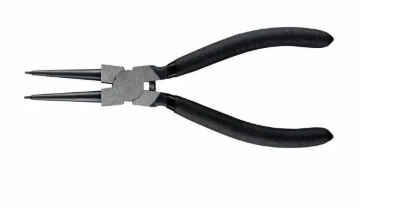
Material Composition and Structural Integrity
The strength of needle nose pliers comes from how they are made. They use top-quality steel. This makes them tough against wear and bending, even after many uses. The jaws are cut with care. They stay straight under pressure. This means good contact between parts every time. Many pro models have handles that fit the hand well. They include grips that do not slip. This cuts down on tiredness during long jobs. You often work with a magnifying glass, so that comfort helps a bunch.
Contribution to Accuracy and Efficiency
Getting things right in precision engineering relies on steady pressure. The sharp tips of needle nose pliers let you put wires, pins, or screws in just the right spot. You avoid smashing them. They keep sensitive parts from getting bent. This holds true across many items made in a row. As a result, mistakes drop. Assemblies turn out better. Work goes faster on the shop floor. Think about a busy factory line where every second counts. These pliers help keep things moving without hiccups.
How Do Design Features Enhance the Functionality of Needle Nose Pliers?
Smart design sets good pliers apart from basic ones. Every shape, from the jaw form to how the handle feels in your hand, changes how well they work in tight spots.
Jaw Geometry and Tip Variations
Various jaw shapes fit different engineering jobs. Straight tips work great for basic holding and bending. Bent tips help get around blocks or slanted areas. Long tips reach into deep holes where normal tools cannot go. Small teeth inside the jaws grab smooth things like copper wire or shiny pins better. The narrowing ends slip into hidden spots during detailed builds. For example, in a watch repair shop, a long tip might pull out a tiny gear from a tight case without any trouble.
Handle Ergonomics and Grip Technology
Feeling good matters when you stare through a lens for hours. Handles with coatings that do not let go help even if your hands are greasy or covered in gloves. Some types have a spring that opens the jaws by itself after you squeeze. This saves your hand from getting sore in repeat tasks, like shaping wire or pressing ends. The weight spreads evenly too. It makes movements smoother. You get a better sense of what you are doing. I have seen mechanics swear by these in long shifts; they really make a difference on a tough day.
Joint Mechanisms and Pivot Alignment
A solid pivot point decides how easy the tool moves as time goes on. Pivots made with close fits keep things steady. There is no shake or looseness. This is key when you line up tiny parts under a microscope. Better lever setups boost the force you apply. You get firm hold with little push. Good setup at the pivot stops the jaws from going off track. That could mess up your grip otherwise. In practice, a wobbly joint once cost a team hours fixing a slipped wire in a prototype.
What Makes Needle Nose Pliers Suitable for Electrical and Electronic Applications?
In electrical and electronic fields, getting it exact is a must. Needle nose pliers win out because they mix reach with gentle touch. This lets you handle breakable wires and parts safely.
Precision in Wire Handling and Termination
The slim tips make bending, looping, or cutting wires simple in small terminal spots. You avoid cuts to the cover or harm to the inner threads. Types with insulation keep you safe from shocks in jobs with power on. The grip stays under control. It stops breaks in thin wires. These wires show up in sensors or small computer chips. Picture fixing a car dashboard; one wrong snip could fry the whole system.
Component Placement in Circuit Assembly
When building circuits, these pliers help put resistors, capacitors, and tiny chips in the right place on boards. The small size lets you work even with parts packed close. Models safe from static have coatings to cut discharge risks. That could hurt delicate circuits. In a lab setting, this means fewer failed tests. Engineers often pick these for their reliability in high-stakes builds.
Maintenance and Repair Operations in Electronics Labs
Repair shops love needle nose pliers for pulling out lost screws from snug boxes. They adjust links without bumping other bits. They aid in fixes like fixing solder spots. Here, accuracy down to a millimeter decides if it works. During a rush repair on a drone circuit, these tools saved the day by grabbing a loose pin without extra mess.
Why Are Different Types of Needle Nose Pliers Needed for Specialized Tasks?
No one tool does it all in precision engineering. Various needle nose pliers tackle different problems based on their shape and lock options.
Long Nose Pliers for Deep Access Points
Long nose pliers shine at getting into tight areas. Think engine bays or complex setups where space is limited. The extra length gives pull without losing hold on small screws deep in frames. They make jobs easier that would take forever otherwise.
Bent Nose Pliers for Angular Operations
Bent nose pliers give a clear view when things block the way. The angled tips point off your sight line. This makes shaping wires at exact bends simple. You keep the form right. It suits running leads through tricky bundles or setting spring clips in shells. In jewelry making, which shares some tricks with engineering, these help twist findings without kinks.
Locking Needle Nose Pliers for Secure Holding Tasks
Locking kinds add clamps you can set. They hold steady once locked. This leaves your hands free for soldering or lining up. They boost safety too. No slips when parts get hot or heavy. For instance, in welding prep, they clamp a piece firm while you work around it.
How Does Quality Affect Performance in Precision Engineering Tools?
Good quality means you can trust the tool in tight spots. Cheap ones lead to extra work or broken parts, which costs time and money.
Influence of Manufacturing Standards
Close standards in making ensure even work from batch to batch. This helps when many workers use the same tools. Heat treatments make jaws strong yet bendy at the joint. Smooth finishes stop rust from building up. That keeps movement good over years. Factories often check these against rules to avoid surprises.
Impact of Brand Engineering Expertise
Well-known brands test hard to match rules like ISO 5745 for hand tools. They put money into new ideas. This brings better handle fits and special covers for fields like plane building or electronics. Over time, you see tools that last through tough use. One brand I recall upgraded their pivot after user feedback, cutting failures by half in tests.
Longevity and Maintenance Considerations
Add oil now and then to keep joints easy. It fights rust in damp shops. Wipe clean after jobs to clear dirt. That stops harm to fine surfaces later. Check jaws often for straightness. It is vital for tasks needing exact measure. Simple care like this can double a tool’s life, based on shop stories.
In What Ways Do Needle Nose Pliers Support Modern Manufacturing Processes?
Today’s making mixes machines with hand work. Needle nose pliers fill the space by giving human flexibility next to machine steadiness.
Role in Assembly Line Operations
In machine lines, these tools fix small errors fast. Machines miss the touch for things like shifting a wrong link in final checks. Their close control aids tiny changes. This keeps hand-made samples matching big runs. On a car plant floor, workers use them daily to tweak panels, saving minutes per unit.
Integration into Toolkits for Advanced Fabrication
In areas like plane, car, and electronic making, needle nose pliers stay in fix kits for their all-around use. They work well with digital gauges for check tasks. This boosts flow in new factories with mix-and-match setups. They fit right in without fuss.
Contribution to Sustainable Engineering Practices
Being tough helps the planet. Strong steel means less buying new ones. This cuts trash. Reusable builds fit green making ideas. They use fewer resources long-term. Plus, good handling means less waste in builds. In eco-focused firms, tools like these help hit low-waste goals, sometimes cutting scrap by 20% in reports.
How Can Engineers Select the Right Needle Nose Pliers for Their Needs?
Picking the best pair means weighing job needs against hand fit and build strength. These choices shape how well you work over time.
Assessing Application Requirements
Begin by pairing tool style with task hardness. Long-nose fits deep holes. Bent-nose does angled spots well. Insulated handles are a must near live wires. Look at tip form based on how you approach in your area.
Evaluating Build Quality and Specifications
Look for steel marks on the handle. They show toughness for heavy or light jobs. Test joint ease. Stiff ones hint at bad cuts that hurt later accuracy. Always check for rules like ISO 5749 before buying. A quick feel can tell if it is worth the pick.
Balancing Cost With Long-Term Value
Top models cost more at first. But they last longer with better stuff and checks from good makers. One buy means less stop time from breaks. This ups project speed over many jobs. In the end, it pays off, as seen in team budgets that favor quality over quick saves.
FAQ
Q1: What makes needle nose pliers different from regular pliers?
A: Their elongated jaws allow access into confined spaces where standard pliers cannot reach while maintaining precise control over small parts.
Q2: Can insulated needle nose pliers be used on live electrical circuits?
A: Yes, provided they meet certified voltage ratings; always confirm insulation integrity before use near energized equipment.
Q3: How often should pivot joints be lubricated?
A: Light lubrication every few weeks prevents corrosion buildup especially if tools operate under humid conditions common in workshops.
Q4: Are locking needle nose pliers suitable for delicate electronics?
A: Only if adjustable tension settings permit gentle clamping; excessive force may damage fragile components like PCB traces.
Q5: What’s the best way to store precision-grade needle nose pliers?
A: Keep them dry inside padded tool drawers; avoid contact with other metal surfaces that could nick finely machined jaws over time.


