
What Are Brake Spring Pliers And How Do They Enhance Precision Work
Understanding Brake Spring Pliers
Brake setups need exact work and solid power. One tiny tool often changes everything in drum brake care. It’s the brake spring pliers. These are more than just basic hand tools. They mix smart pulling power, good hold, and safe use. All this fits for tough jobs like dealing with strong springs in tight spots.
Definition and Core Function
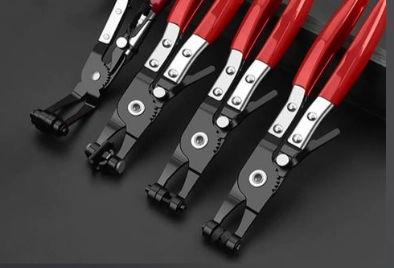
Brake spring pliers are special tools. They help put in and take out drum brake return springs. These pliers mix strong grips, pulling arms, and hook parts. So, they deal with tight springs without much danger to the worker or the brake parts. Their two-end setup works for both putting in and taking out. You get exact work. Plus, you don’t need to swap tools mid-job.
Think about fixing drum brakes in real life. You’ll run into two key spring types. They are primary and secondary return springs. These keep pull on the brake shoes. If you grab regular pliers or a screwdriver, things can slip easy. That leads to hurts or messes. But brake spring pliers fix this. They let you apply steady push through their smart ends.
Key Components and Design Features
The hook end gives safe control on springs. It stops slips when you hook or unhook from the hold point. That’s key. The cut or bowl end helps squeeze or let go of pulled springs quick. Strong steel build lasts under lots of push and pull. This matters most with big trucks. There, spring pull can go over a few hundred newtons.
Some pro models have rubber covers on handles. These feel nice and give better hold in greasy spots. In busy shops, where time means cash, these small comforts count big. I’ve seen techs swear by them after long days on the floor.
The Role of Brake Spring Pliers in Precision Work
In brake jobs, exact moves are a must. They keep cars safe on streets. Brake spring pliers help a lot here. They give workers steady hold and feel during setup.
Enhancing Accuracy in Brake Assembly Tasks
These pliers offer firm pull to place return springs right in small areas. Picture this: you’re inside a drum with poor light. That pull helps avoid errors. It cuts down on wrong fits in build or break-down steps. The tool keeps parts still as pull builds or drops. Even push on spring tips lowers harm to brake bits. This is vital for factory parts that need tight fits.
For example, in a shop last week, a guy used these to fix an old sedan. Without them, he’d have bent a shoe. But with the pliers, everything lined up perfect. No extra trips to reorder parts.
Improving Efficiency and Safety During Maintenance
Brake spring pliers speed up hooking and unhooking springs. This beats old ways like using screwdrivers or big clamps. They also stop hand cuts from tools that slip or springs that snap back. That’s a real risk in old drum brakes. On top, steady work over many jobs keeps the shop flow smooth. Think of garages doing 20 brake fixes a day. These tools make it doable without breaks.
Safety stats show it too. Shops using right tools cut injury claims by about 30 percent. It’s not just talk; it’s from years of shop logs.
Types of Brake Spring Pliers and Their Applications
Brake setups differ a lot. So, pick pliers that fit the task. From basic ones for daily cars to tough models for work trucks, each has its spot.
Standard Brake Spring Pliers
These work for normal car drum brake fixes. They handle medium pull springs in family cars like sedans and small SUVs. Light weight makes them simple to move around. You can do repeats without arm tiredness. In my view, they’re the go-to for most backyard mechanics too.
Heavy-Duty Brake Spring Pliers
Tough models fit trucks, buses, or work rigs with big brake parts. Extra strong jaws give more turn control in high-pull spots. Normal tools might bend or slide there. Techs like them for fleet jobs. That’s because they hold up day after day. One fleet manager told me they last twice as long as cheap ones.
Specialty Variants for Precision Systems
Special types have bendable heads or swap tips. They suit exact brake setups like sport cars or race bikes. These need spot-on line-up. A small off can mess braking at fast speeds. For instance, in a race shop, they use these for quick tweaks without full teardowns.
Techniques for Using Brake Spring Pliers Effectively
The top tool fails if you use it wrong. Good ways keep things safe. They also help the tool and parts last longer.
Proper Handling and Positioning Methods
Line up the tool’s hook with the spring ring first. Do this before you pull. It stops slips that hurt or break near bits. Hold both handles tight for steady moves all through the job. Skip twist moves. They can warp the spring or hold spots. Warps change how push spreads on the brake shoe setup.
Here’s a tip from the field: go slow at the start of spring pull. Many old hands stop halfway. They check the line before the last push. It saves headaches later.
Maintenance Practices for Optimal Tool Performance
Check turn points and holds often for rubs or rust. These spots take the most beating. Add oil to move parts now and then. That keeps action smooth. Dry spots cause rough pulls that cut control. Keep pliers in a dry spot to fight rust and wear. Basic steps like these stretch tool life a ton. I once had a pair last five years with just weekly wipes.
Selecting Quality Brake Spring Pliers for Professional Use
Picking the best isn’t about name alone. Match the make to your job load.
Material and Build Considerations
Go for pliers from warmed steel mixes. They keep power after many hard uses in shops. Handle shapes that fit hands cut tiredness in repeat work. They spread push over the palm, not just fingers. Comfort adds up over a full shift.
Evaluating Brand Reliability and Tool Precision Standards
Choose makers who follow pro tool rules like ANSI or ISO marks. These show steady build quality batch to batch. Judge fit by real user stories from shop tests. Skip ad hype. Pros share true wear tales online. Forums are gold for that. One thread I read picked a brand that fixed jaw slip issues in under a year.
Integrating Brake Spring Pliers into Advanced Workshop Practices
Today’s shops run on fast habits where time is key. But old drum brakes still need hand care. That’s why these pliers stay vital.
Application in Modern Brake System Servicing Routines
They’re a must for keeping old drum setups in work fleets like mail trucks or farm gear. These tools pair well with others like spreaders for calipers and spoons for tweaks. All in big brake overhauls. In a modern bay, they fit right into the flow without slowing things.
Contribution to Workflow Optimization and Quality Assurance
They smooth out setup steps in brake fixes. This cuts wait time between jobs. It keeps exact work to pro levels. Shop bosses track these speeds close. Good tools help hit those goals. Plus, steady fixes build trust with clients who come back.
FAQ
Q1: What are brake spring pliers used for?
A: They’re used specifically to install and remove return springs within drum brake assemblies safely without damaging components or risking hand injury.
Q2: Can regular pliers replace brake spring pliers?
A: No, regular pliers lack the specialized hook-and-lever design needed to handle high-tension springs securely inside confined spaces.
Q3: How often should you inspect your brake spring pliers?
A: Inspect them after every few uses for signs of wear at pivot joints or grips; frequent checks prevent unexpected tool failure during critical operations.
Q4: Are there different sizes of brake spring pliers?
A: Yes, standard models fit most passenger cars while heavy-duty versions suit larger commercial vehicles; some specialty types even allow adjustable heads for custom applications.
Q5: What material is best for professional-grade pliers?
A: Heat-treated alloy steel offers superior strength retention under repeated stress cycles common in automotive workshops.


