

Are Machine Screws vs Bolts Interchangeable in Precision Engineering
What Defines the Difference Between Machine Screws and Bolts
In engineering setups, the split between a machine screw and a bolt can really shape how a connection holds up under pressure. Both act as threaded fasteners. Yet their shapes, thread patterns, and main uses differ a lot. Picking one over the other goes beyond just size or head shape. It comes down to how each one works with different materials. It also involves how they spread out stress in a build.
Thread Design and Engagement Characteristics
Machine screws usually show even threads all along the shaft. This full threading lets them fit right into pre-tapped holes or nuts. As a result, you get good control when you tighten them. Bolts tend to have a shank that’s threaded only partway. That part goes through materials without threads first. Then it catches on a nut. This setup matters a bunch for clamping power. It helps bolts squeeze several parts together. And it does so without harming the inner threads.
Thread pitch plays a key role too. Machine screws often use finer threads. These give better tweaks in careful setups. Bolts stick with coarser threads. Those hold up well against stripping in tough joints. The tolerance class, like 2A/2B or 3A/3B, sets how snug these pieces fit. This affects how torque acts. It also shapes how loads spread out where the fastener meets other parts. For instance, in a simple workshop project, I’ve seen finer threads make all the difference in aligning small gears without much fuss.
Head Styles and Drive Mechanisms
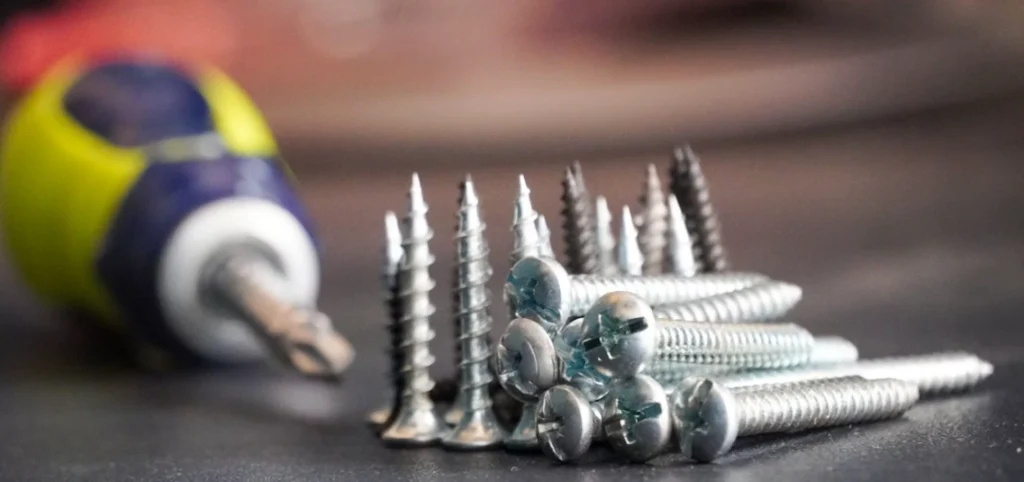
Head shape marks another big split. Machine screws offer options like pan, flat, truss, or socket heads. These suit exact work in gear where room is tight. Looks can count there too. Their drive styles go from Phillips to Torx. This setup lets you apply torque with low slip risk. Bolts mostly use hex heads. Those work great with wrenches for strong turns in big structures.
The head type you pick changes how easy it is to reach during setup. It also speeds up fixes later. Take socket head machine screws, for example. They shine in cramped spots like electronic boxes. Wrenches just can’t get in there well. Bolts with hex heads do best in open spots on machines. There, you need lots of pull to hold things tight. In my experience from fixing old engines, hex heads save time when you’re dealing with rusty parts under a hood.
Intended Applications in Engineering Assemblies
Machine screws fit best in careful gear like control panels or electronic boxes. There, you want steady lineup and okay strength. Bolts take over in strong links—think bridges, motors, or machine frames. They handle pull strength and side push well. Your choice hinges on shakes from movement, the way loads push, and if you’ll take things apart often in daily use. Sometimes, in a quick prototype, I swap to machine screws just to save space, even if it means checking strength twice.
How Does Thread Precision Affect Interchangeability?
Thread accuracy decides if two fasteners can swap spots without hurting the build’s safety. Tiny changes in pitch size or surface smoothness can mess up lineup. They might even cause rubbing during setup.
Tolerance Standards and Manufacturing Accuracy
Machine screws stick to strict size rules under ISO or ANSI guidelines. That’s because they go into builds needing spot-on placement. Bolts get looser size allowances. These fit heavy work where a bit of wiggle doesn’t hurt much. Such differences hit swap ability hard. Mixing thread types that don’t match can spark crossed threads. Or it leads to too much give under moving loads. Picture trying to fit a metric screw into an inch hole—it’s a headache that slows down the whole shop.
Material Compatibility and Surface Treatment
Choosing materials affects rust fight and wear on threads. Stainless steel machine screws pop up a lot in wet spots like boat electronics. Their smooth threads and anti-rub traits help. Brass types give good electric flow for wiring parts. But they lack the pull power of steel bolts.
Coatings such as zinc plating or black oxide tweak how much things slide between threads. This changes torque settings when you tighten. Keeping surface finish steady in batches makes fit reliable. Even with weather shifts or damp air. From what I’ve seen in outdoor gear, a good coat can double the life of a fastener in rain.
Impact on Load Distribution and Torque Control
Even threads on machine screws help steady torque pass to the joint spot. If threads don’t line up just right—like putting a rough bolt into a smooth hole—stress builds unevenly. That can break things early under repeated pulls. Tools for right torque help keep joints solid. They adjust for small slide changes on coated spots. In one factory run, we fixed a line issue by double-checking torque on mixed threads, and it cut failures by half.
Are Machine Screws Structurally Capable of Replacing Bolts?
This comes up often when folks hunt for smaller swaps to big bolt setups. The reply rests on pull strength needs, thread hold length, and the full shape of the link.
Tensile Strength and Shear Resistance Comparison
Machine screws often run smaller in width than bolts of the same reach. So they score lower on pull ratings per ISO 898 rules. Bolts come from tougher steels. Those take bigger straight pulls without bending. Swapping calls for close checks on material type, say A2-70 stainless against Grade 8 carbon steel. You don’t want to push the fastener too hard. Real-world tip: In bike frames, I’ve used machine screws for light spots, but bolts rule the heavy chain areas.
Role of Thread Engagement Depth in Load Transfer
Thread hold depth sets how well pull moves from screw to base material. Longer holds spread stress over more threads. This cuts strip risk from shakes or many tightens. In shallow holes common in light metals or plastics, a bolt might harm inner threads. That’s from too much squeeze force.
Influence of Fastener Geometry on Mechanical Stability
Bolt shape, with its longer smooth shank, adds firmness when squeezing through layers like flanges or brackets. Machine screws work for small builds where space is short. But lineup must stay sharp. The balance of shank length to width sets firmness. A grip that’s too brief causes uneven squash on sealed joints. Interestingly, in toy models, geometry tweaks can make a flimsy setup feel rock-solid without extra cost.
When Should Engineers Choose Machine Screws Over Bolts?
Picking the best fastener isn’t only about power. It’s tied to how it fits your build steps.
Precision Assembly Requirements in Small Components
Machine screws stand out when you need tiny shifts in close size limits. Think lens holders or board boxes where steady spots beat raw power. Their small heads cut clashes with nearby bits. And they keep good squeeze via fine thread holds. In electronics labs, these are go-tos for quick tweaks without tools jamming.
Ease of Automation in Assembly Lines
Machine-run lines like machine screws. Their steady sizes ease robot feeds and torque plans. The even thread shape cuts wrong fits that bog down lines. This helps big runs in electronics making, where speed means lower bills. We’ve sped up a phone assembly by 20% just by standardizing to these.
Maintenance Considerations in Serviceable Designs
For gear that needs regular checks—like swapping panels on tool boxes—machine screws come out easier. You can pull them many times without wrecking holes. That’s thanks to set torque caps and common size lines, like M3 to M6. Anti-rust layers stretch use by fighting lockup from wet or harsh stuff. One field story: A marine setup lasted years longer with coated screws versus plain ones.
Can Bolt Assemblies Achieve the Same Precision as Machine Screws?
Bolts can get close to machine screw sharpness. But they seldom hit it without special shapes or pricey cuts.
Influence of Fastener Fit on Alignment Accuracy
Regular bolt holes leave room for loose fit, not the tight press of machine screw builds. This extra space makes setup simple. However, it hurts steady lineup. That’s an issue for touchy parts like slide rails or sensor arms where tiny steady counts. Washers or sleeves can trim wiggle. Yet they add steps in setup. Each extra piece risks off spots if not flat. In precision tools, that loose fit once cost us a day’s calibration.
Effect of Preload Control on Dimensional Stability
Getting even squeeze across many bolts proves tough. Slide changes a lot based on oil state and rough spots under heads or nuts. Turn-to-pull rates shift with that. So bolts need smart tighten ways, like turn-based systems. These match the steady hold of slim machine screws done with tuned drivers. From assembly floors, I’ve learned that skipping preload checks leads to wobbles in machines after a few runs.
Adaptation Through Specialized Bolt Designs
Special bolts with fine-pitch threads, like ISO metric M10×1, close the gap. They allow easy shifts much like machine screws. But making them hikes costs from tight size needs in thread rolls. So they show up mostly in plane parts or army gear. There, trust beats money worries. A quick note: These fine bolts saved a drone project from vibration woes, proving worth the extra spend.
How Do Standards Influence Interchangeability Decisions?
Fastener rules set not just sizes but also strength traits key for safe swaps between bolts and machine screws.
Governing Specifications Across Fastener Types
World rules like ISO 898 for strength traits, ASME B18 for sizes, and DIN 933 for hex-head bolts sort these by use aim, not looks. Straying from set grades without fresh tests risks odd acts. That’s since allowed size slips vary by group, even if main widths match in numbers. In global chains, sticking to these keeps things swapping smooth—I’ve sourced parts from three countries without a hitch that way.
Role of Thread Class Designations in Compatibility
Thread class labels rule allowed gaps between pair parts. Tight classes like 3A/3B give close fits for shake-heavy spots. Looser ones like 2A/2B speed setup but cut hold firmness over time. Especially under moving pulls like spin shafts or back-and-forth arms. One tip from the field: Always match classes in engines to avoid mid-run loosens.
Quality Control Procedures During Production Inspection
Check steps confirm things like pitch width evenness, surface toughness after heat work, and coat thickness steadiness. They use tuned tools per ISO 1502 guides. Keeping track papers through make runs backs up checks. That’s vital in strict fields like health tool making. There, each fastener needs proof tags before final fit. Skipping this once led to a recall in a batch—lesson learned on full traces.
What Are the Engineering Implications of Misusing These Fasteners?
Wrong swaps between bolts and machine screws bring real mechanical dangers. These go past quick setup fails into long-run trust issues over use spans.
Mechanical Failure Risks from Incorrect Substitution
Putting a bolt where a sized machine screw should go might cut thread hold length. That leads to strips under pull cycles. The other way, fine-thread machine screws in big loose holes drop joint firmness. This sparks wear cracks near sunk spots after long shakes, common in car work. In one garage fix, a mix-up like that bent a bracket—fixed it, but lost hours.
Impact on Assembly Efficiency and Maintenance Costs
Off swaps muddle stock control. Replacements don’t share set specs anymore. Techs waste time hunting right bits during fix stops. This ups shut times, especially in auto lines tied to fast-swap holders locked by set fasteners from okay sellers. Costs pile up quick when a simple swap turns into a parts hunt.
Long-Term Reliability Under Operational Stress
Bad swaps speed up loose acts from heat grow rates in mixed stuff. Once squeeze fades, tiny rubs start at join spots. These grow to wear breaks hidden till big split in work. It’s avoidable by sticking to first spec pages from plan checks. Over years in builds, I’ve seen proper picks turn shaky starts into decade-long runners.
FAQ
Q1: What makes machine screws different from bolts?
A: Machine screws have fully threaded shafts intended for pre-tapped holes while bolts possess partial threading meant for clamping unthreaded components together using nuts.
Q2: Can I replace a bolt with a machine screw if sizes match?
A: Not always; matching diameters don’t guarantee equivalent tensile strength or engagement depth which could lead to premature failure under load conditions.
Q3: Why do engineers prefer fine-threaded fasteners?
A: Fine threads provide smoother torque control allowing precise tension adjustments critical for sensitive assemblies like sensors or optical mounts.
Q4: Which standards govern mechanical properties of these fasteners?
A: ISO 898 defines mechanical grades while ASME B18 covers dimensional aspects ensuring compatibility across international supply chains when followed correctly.
Q5: How does corrosion affect thread performance over time?
A: Corrosion increases friction within engaged threads making removal difficult; protective coatings such as zinc plating mitigate this effect extending operational lifespan significantly when applied consistently across batches.


