
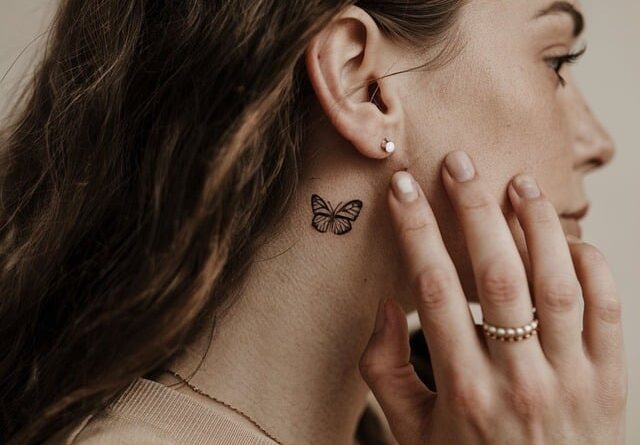
Are Stud Earrings Still Defining Modern Minimalist Jewelry Trends
These Stud Earrings Are ’Very Demure, Very Cutesy’
Minimalist jewelry has evolved into a design philosophy that balances restraint with sophistication. Among its most enduring forms, stud earrings stand as icons of quiet confidence. Their compact geometry and subtle gleam make them indispensable for both daily wear and professional settings. The appeal lies in their dual nature: simple yet expressive, traditional yet modern. As material technology and ethical production continue to reshape the jewelry landscape, the humble stud remains the perfect intersection of design purity and cultural relevance.
The Enduring Appeal of Stud Earrings in Modern Minimalist Jewelry
Minimalism in jewelry is not a passing trend but a reflection of broader cultural values—clarity, intention, and permanence. Stud earrings capture these ideals through proportion and precision rather than embellishment.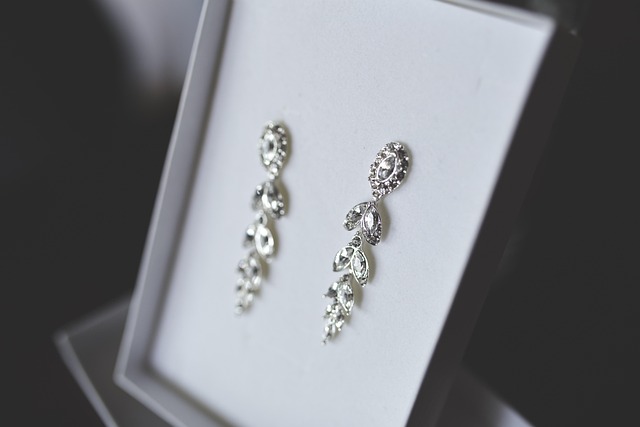
The Core Aesthetic of Minimalist Jewelry
Minimalist jewelry celebrates geometry and balance. Clean lines define its form, while neutral tones allow the wearer’s personality to take precedence. In this context, stud earrings become architectural elements—tiny compositions that rest close to the skin without distraction. They adapt effortlessly to changing styles because their essence is permanence rather than novelty. The minimalist aesthetic aligns with a global shift toward conscious consumption, where fewer pieces of higher quality replace mass-produced accessories.
Why Stud Earrings Remain a Foundational Element
Stud earrings endure because they complement every ensemble without competing for attention. Their discreet form enhances both casual denim and structured tailoring. Designers appreciate studs for their adaptability: gold spheres evoke classic refinement; titanium or ceramic versions project modernity. This flexibility allows brands to explore new textures or finishes while staying true to minimalist principles. In essence, studs act as a canvas for experimentation within defined boundaries—a rare quality in fashion cycles that thrive on reinvention.
Material Innovations Shaping Contemporary Stud Designs
The evolution of materials has profoundly influenced how minimalist jewelry is conceived and valued. Today’s consumers expect transparency not only in design but also in sourcing and sustainability.
The Role of Sustainable and Ethical Materials
Recycled metals and lab-grown gemstones are redefining luxury minimalism by merging environmental responsibility with high-end craftsmanship. Ethical sourcing builds trust among buyers who view authenticity as part of aesthetic integrity. Brands now disclose supply chains to demonstrate alignment with sustainable practices, echoing the minimalist ethos that beauty should never conceal harm. This movement parallels broader market trends documented by institutions like Bloomberg Green, which note rising consumer preference for traceable materials across fashion sectors.
Exploring New Textures and Finishes in Stud Earrings
Modern fabrication allows jewelers to achieve tactile depth without excess decoration. Matte or brushed finishes create subtle shifts in light reflection that emphasize form over sparkle. Mixed-metal combinations—such as silver paired with rose gold—introduce contrast while preserving simplicity. Precision tools used in fine machining enable micro-level detailing once impossible by hand alone, giving each pair of stud earrings a sculptural integrity reminiscent of industrial design.
Design Evolution: From Classic Forms to Architectural Geometry
As digital tools redefine craftsmanship, designers are reimagining traditional silhouettes through geometry and proportion rather than ornamentation.
Geometric Influence in Modern Stud Jewelry
Contemporary studs often draw from architectural symmetry: circles symbolize continuity; squares represent stability; bars suggest directionality. Some designs intentionally disrupt symmetry to introduce tension within minimalist limits—a small act of rebellion that keeps the form alive. Computer-aided design (CAD) systems help artisans maintain exact proportions, ensuring every angle aligns perfectly with the intended visual rhythm.
Integration of Technology in Jewelry Craftsmanship
Technology has become an invisible collaborator in modern jewelry studios. 3D modeling accelerates prototyping while preserving artisanal control over texture and dimension. CNC milling machines replicate intricate geometries consistently across small production runs—a process similar to workflows used in precision router applications like VCarve-style manufacturing within CNC software ecosystems such as Vectric CNC Software: Which Jobs Fit VCarve-Style Router Workflows Best might explore for industrial contexts. Digital precision resonates with minimalist ideals where function defines beauty rather than embellishment.
Cultural and Market Dynamics Influencing Minimalist Jewelry Trends
The popularity of minimalist jewelry reflects deeper sociocultural changes—from workplace norms to digital aesthetics—that shape how people express identity through adornment.
Consumer Preferences Driving the Minimalist Movement
Urban professionals favor understated accessories that align with corporate dress codes yet retain individuality. Younger audiences gravitate toward versatile designs that move seamlessly from office hours to evening settings without wardrobe changes. The shift toward remote work has further encouraged comfort-oriented styling; lightweight stud earrings offer subtle polish during video meetings without appearing ostentatious.
The Role of Social Media in Shaping Perception of Simplicity
Platforms built around visual storytelling have amplified minimalist aesthetics by rewarding clean imagery over cluttered display. Influencers curate feeds where pared-down jewelry signals discernment rather than austerity. Brands respond by highlighting craftsmanship narratives—showing artisans at work instead of saturated product shots—to reinforce emotional authenticity over mass appeal.
Future Directions for Stud Earrings in the Minimalist Landscape
The next phase of minimalist jewelry will merge modular functionality with sustainable purpose, creating pieces designed for longevity rather than seasonal turnover.
Emerging Trends in Form and Functionality
Convertible studs capable of transforming into drops or cuffs appeal to collectors who value adaptability over accumulation. Subtle kinetic features—rotating bezels or hinged joints—introduce motion without compromising restraint. Hybrid models blur distinctions between fine art objects and wearable pieces, signaling a future where jewelry interacts dynamically with its wearer’s gestures.
Sustainability as a Defining Principle for Future Collections
Circular production models are gaining traction among forward-thinking jewelers who treat waste reduction as integral design strategy rather than afterthought. Lifecycle-focused design encourages repairability so that pieces endure across generations instead of being replaced annually. Eco-conscious branding rooted in transparency strengthens alignment with minimalist values: restraint, purposefulness, and respect for material origins.
FAQ
Q1: Why are stud earrings considered timeless?
A: Their balanced proportions and simplicity allow them to transcend fashion cycles while complementing diverse personal styles.
Q2: How do sustainable materials influence modern jewelry?
A: Recycled metals and lab-grown stones reduce environmental impact while maintaining luxury standards expected by discerning buyers.
Q3: What technological tools shape current stud earring production?
A: CAD modeling, 3D printing prototypes, and CNC milling ensure precision construction consistent with minimalist ideals.
Q4: Are geometric designs replacing traditional motifs?
A: Not entirely; geometric forms reinterpret tradition through structure rather than decoration, offering continuity within innovation.
Q5: How does social media affect minimalist jewelry trends?
A: Visual platforms favor uncluttered aesthetics, encouraging brands to emphasize craftsmanship stories over ornate presentation styles.


