

Are Deck Screws The Key To Long-Term Structural Integrity In Wood Decks
The Role of Deck Screws in Structural Integrity
Building a wood deck that lasts for many years relies a lot on the fasteners you pick. Deck screws shine among other choices because of their accuracy, grip strength, and ability to handle weather changes. Pick the right screw type and put it in the right way. Then, you are not just linking boards. You are helping the whole structure stand up to weight, rain, and the passing of time.
The Function of Deck Screws in Wood Deck Construction
Deck screws are made to hold things together against pulls and side pushes. Their threads grab the wood fibers firmly. This keeps connections tight between deck boards and the frame below. The strong hold stops noises or shifts from wood swelling in summer or shrinking in winter. A well-made screw also cuts down on boards bending or twisting after years in the open air.
Choose the right screw length. It needs to go deep enough into the joist to move loads well. But it should not split the board. Many builders like self-tapping or self-drilling screws. These save time on the job. They also make sure the screw bites into the wood evenly.
Comparing Deck Screws to Other Fastening Methods
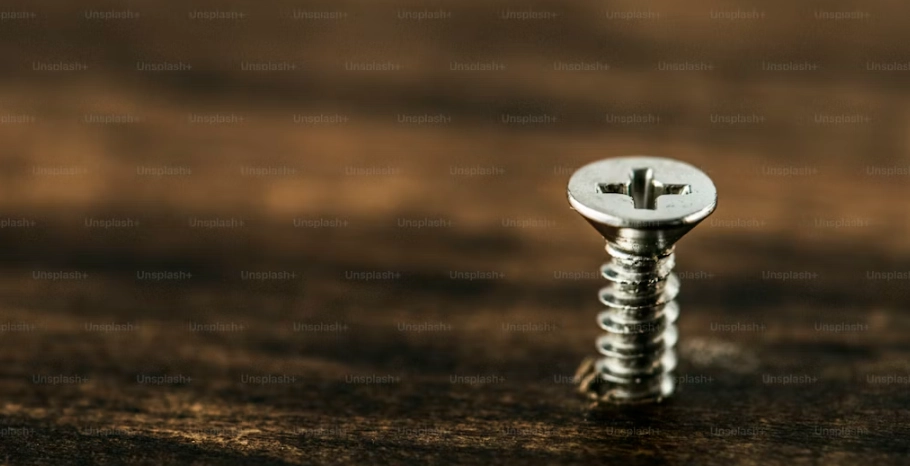
Look at deck screws next to nails, bolts, or hidden fasteners. Screws give a better hold overall. Nails have smooth sides. They can work loose as wood changes size with the seasons. Screws are different. Their threads dig into the wood grain. They do not just push it aside. This makes a stronger link. Bolts work great for big joints that carry heavy weight. But for fixing deck boards, they take longer to put in. Plus, their heads show up and look bulky.
The fastener you choose affects how weight spreads over the deck. Good deck screws let pressure flow evenly to many joists. This boosts stability for years. It also means less work to keep things fixed up.
Material Composition and Coating Technologies in Deck Screws
The materials in a deck screw decide how it fights rust, keeps its power, and gets along with chemicals in treated wood. You often pick from carbon steel, stainless steel, or ones with polymer coatings. The choice depends on your local weather and how much money you want to spend.
Common Materials Used in Deck Screw Manufacturing
Carbon steel gets used a lot. It has strong pull strength and costs less. But if moisture hits it without a cover, it rusts fast. So, coatings matter a bunch for use outside.
Stainless steel screws fit best in places near the sea or in damp areas. Salt in the air speeds up rust there. These screws keep their shape even after long exposure to water in the air and sun rays. Polymer-coated screws offer a middle ground. They cost about the same as carbon steel but hold up against rust thanks to special surface covers.
Protective Coatings and Corrosion Resistance
Coatings like zinc, ceramic, or epoxy build a shield against rust on steel. These layers must stay whole. If they break while you drive the screw, rust can start fast. This happens when the screw touches pressure-treated lumber with copper in it.
The coating must match the wood’s treatment chemicals. That sets how long the screw lasts. Take ACQ-treated lumber, for example. It needs screws built for tough rust spots. This stops early wear at the spots where they join.
Mechanical Properties Influencing Long-Term Performance
The shape of a deck screw matters. Things like its width, thread spacing, and head type change how it handles pushes from people walking or from weather shifts.
Shear Strength and Tensile Capacity of Deck Screws
The way threads are cut spreads out the weight along the screw body. This works under moving forces, like wind lifting up or people and chairs pressing down. Thicker screws fight side pushes better. But in hard woods such as ipe or mahogany, you might need to drill a small hole first.
Drive screws too hard, and they mash the wood around them. This weakens the join over time. If you do not drive them deep enough, spaces form. Water can sneak in there. Use the right turning force when putting them in. That way, you get good side strength and lasting hold.
Fatigue Resistance Under Environmental Stressors
Decks go through heat and cold over and over. Wood grows in warm times and pulls back in cool ones. This makes tiny shifts near the screws. Top deck screws stay bendy through these changes. They do not lose their grip.
Water can make wood soft around bad seals on screws. This leads to loose fits or rust marks on the top boards. Pick materials that fight rust. They cut this chance and make the screws last longer, even with weather ups and downs. In my experience from building decks in rainy spots, this makes a real difference—I’ve seen untreated ones fail after just a couple wet winters.
Design Considerations for Optimal Fastener Performance
Pick the right thread shapes, turning styles, and head types. This makes putting them in easy. It also keeps the wood and metal strong for the whole time the deck stands.
Thread Design and Drive Type Selection
Screws with wide-spaced threads work well in soft woods like pine. They grab deep into the loose fibers. Screws with tight threads fit hardwoods better. The dense wood fights back against strips.
Some screws have two thread types. They pull the board down tight but do not split the wood much. Self-drilling ends make the job simpler. You skip drilling holes in most woods.
The way you turn the screw counts too. Star or square drives slip less than old Phillips ones. This keeps your tool from jumping. It stops damage to the cover or bending of the head when you tighten.
Head Style and Countersinking Techniques
Flat heads sit even with the board. This makes the deck safe. No bumps to trip over when you walk. Trim heads suit thin board setups. Looks matter more there than super tight holds.
Sink the head just right. It stays level without breaking wood nearby. This lets paints or sealers stick well. They block water better on the surface.
Installation Practices That Enhance Structural Longevity
Even the best deck screws can give out early if you put them in wrong. Watch how you drill, how hard you turn, and how far apart they go. These steps really help the deck last.
Pre-drilling, Torque Control, and Spacing Standards
Drill a guide hole for hard or old wood. It stops cracks from built-up stress inside. Turn with care to not squish the board out of line. But get all the threads in deep.
Space screws the same all over. This spreads the weight to joists evenly. It makes the deck hold up steady in different weathers. For instance, on a 10-foot deck span, experts often space them 12 to 16 inches apart—I’ve followed that on jobs and it prevents sagging spots.
Interaction Between Fasteners, Joists, and Deck Boards
Line up screws right with the joists. This shares side pushes across all links. Put them too near the edge, and the board might split along its lines. Set them a bit inside. This keeps strength and looks good.
Use matching metal parts everywhere. This avoids bad reactions between different metals. It’s easy to miss, but it can cut the life short in setups with mixed pieces, like steel screws on aluminum rails. In coastal builds, I’ve swapped everything to stainless to dodge this headache.
Evaluating Long-Term Maintenance Implications of Deck Screws
Check your deck now and then. This stops small problems from turning into big fixes later on.
Inspection Protocols for Aging Deck Structures
Test the tightness every so often. This spots loose spots from weather changes or steps on the deck. Look with your eyes for rust or worn covers. Catch them before they hurt key joins.
Change screws based on your area’s weather. Near the ocean, you might swap them every 10 to 12 years. Far from salt, they can go 20 years or more. It all ties to how much wet and wind they face.
The Influence of Environmental Exposure on Fastener Durability
Sunlight breaks down covers on screw heads over time. The shafts inside wood might stay okay. Air with salt makes rust go faster on all metals. Clean or seal them to fight it.
Put on water blockers every few years. They guard the wood and the screws. Less water hits the holes where screws go in. This simple step, done twice a decade, has saved many decks from early rot in humid spots I’ve worked on.
Emerging Innovations in Deck Screw Engineering
New ideas aim to make deck screws better at holding up. They also fit green building ways for backyard spots.
Advances in Material Science and Manufacturing Precision
Mix metals now mix light weight with strong rust fight. They suit sea sides or decks by pools. Exact thread making keeps every screw the same. No matter the batch, they drive in smooth.
Nanoceramic covers are the new thing. They stick tighter than old zinc ones. Plus, making them wastes less and helps the planet. Think about a deck in Florida— these hold up to salt and sun without fading fast, based on what pros report from recent tests.
Sustainable Approaches to Fastener Production
Factories use old metal more now. This cuts the carbon from making them. But they still meet rules for strength. Packaging that breaks down fits with green building pushes. Architects pick these for low-harm projects around the world.
Tools to check full life costs help pick between screw types. Builders make smart choices for decks that last long but harm the earth less. No need for swaps often. It’s practical—I’ve seen teams save money and time by going this route on eco-focused jobs.
FAQ
Q1: What type of deck screw works best for pressure-treated lumber?
A: Use polymer-coated or stainless-steel deck screws rated for ACQ-treated wood; these resist corrosive reactions caused by copper-based preservatives found in modern treatments.
Q2: How deep should a deck screw penetrate into joists?
A: Ideally about 1 inch beyond the board thickness; this depth provides sufficient grip without risking breakthrough below framing members.
Q3: Can I mix stainless-steel screws with galvanized brackets?
A: It’s not recommended since galvanic corrosion may occur when dissimilar metals contact under moist conditions; match materials whenever possible for consistent durability.
Q4: Why do some decks squeak even when screwed down properly?
A: Squeaks often result from minor gaps forming as boards dry out post-installation; retightening after one season usually resolves noise issues permanently.
Q5: Are hidden fastener systems stronger than visible deck screws?
A: Hidden systems offer cleaner aesthetics but slightly lower shear strength compared to top-driven deck screws; they’re best suited where visual appeal outweighs structural redundancy concerns.


