
Are Screws On A Metal Roof The Key To Achieving Perfect Panel Alignment
How Do Screws Influence Metal Roof Panel Alignment
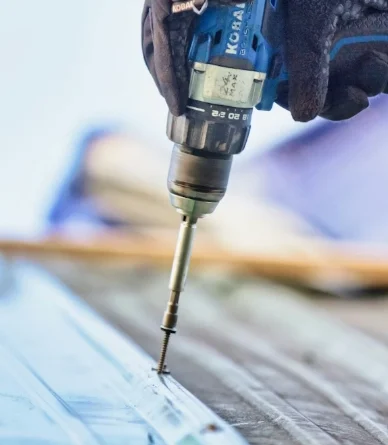
Metal roofing setups depend a lot on careful screw positioning. This keeps things working well and looking good for years. Screws on a metal roof hold panels down. But they also guide how panels line up. They handle pressure. And they stop water from getting in. When people put them in right, the roof stays strong and even. It can handle tough weather for many years.
The Relationship Between Fastener Placement and Panel Stability
Screw spots affect how forces travel through the metal sheets. Good spots spread weight evenly over the roof. This avoids weak areas or odd pressure spots. If screws are off, panels can bend or twist. You might see waves or bumpy joins that get worse later. Even gaps help each sheet move a bit with heat changes. It keeps a firm hold on the base. In real jobs, workers use chalk marks or laser tools. They keep screw lines straight over big areas. These little steps really help with steady setup.
The Role of Screw Type in Maintaining Alignment
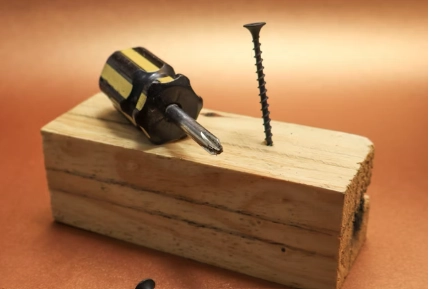
Not every screw acts the same under pressure. Self-tapping screws are popular. They make their own paths in metal bases. This gives a solid hold without drilling first. Screws with rubber seals add extra steadiness. They block water that might cause small shifts as things grow or shrink with temperature. Picking the right screw length counts too. If it’s too brief, it won’t grab well. If it’s too long, it might go in too deep. That can pull panels out of line. I recall one project where short screws failed after a rainy season, leading to early fixes.
The Effect of Installation Technique on Panel Uniformity
Even top screws won’t work if the method is bad. Tools that control turning force keep steady push on each screw top. Too much force bends the sheets. Too little leaves them wobbly. Lining up screws by maker rules keeps joins straight and close. Starting from one side of a sheet to the other cuts down on built-up strain between parts. This keeps surfaces flat and even. Workers often chat about how skipping this leads to callbacks.
Why Is Screw Placement Critical for Long-Term Roof Performance?
Right screw spots are key for more than looks. They matter for how the roof handles everyday weather pushes. A well-secured roof fights off wind pulls. It deals with hot and cold changes smoothly. And it stays dry for many years.
Structural Load Distribution and Stress Control
Screws placed evenly share wind force and weight across sheets. If spots are uneven, some parts take more strain. This can cause small breaks or early wear at those points. Even fastening stops bending during weather shifts. That’s common in places with warm days and chilly nights. For example, in Texas summers, uneven loads have caused panels to sag after just a few years.
Thermal Expansion and Contraction Management
Metal grows in heat and shrinks in cold. Proper screw lines let this happen without messing up joins or putting extra pull on connections. Special loose screw setups are made for this. They allow tiny shifts while keeping out rain and wind. Bad spots block movement. That leads to bumps or wavy spots over time. Think of it like a bridge that flexes in storms—same idea here.
Prevention of Water Infiltration and Corrosion Risks
Each screw hole can let water in if not sealed right. Good fitting presses the seal tight against the sheet. It makes a solid block against wet stuff. Off-center or pushed-too-hard screws hurt the paint around holes. This shows raw metal to rust. Over time, these tiny issues turn into rust lines or drips. They hurt both work and looks. In humid areas like Florida, we’ve seen this turn small mistakes into big repair bills.
Can Incorrect Screw Alignment Compromise Roof Aesthetics and Functionality?
Besides strength and lasting power, screw lining up affects how the roof looks. Neat rows of screws show careful work. Crooked ones catch the eye right away in bright sun.
Visual Uniformity and Professional Appearance
Straight screw lines give the roof a sharp, even style. That’s a sign of skilled setup. Uneven gaps or slanted rows take away from the neat look of raised edges or wavy shapes. For business buildings, this even sight shows good building skills as much as smart planning. Sometimes, clients notice these details first during walkthroughs.
Functional Impacts of Misaligned Screws on Panels
Off screws change how pull spreads in each sheet. Overlaps might not fit just right at edges. Small openings between sheets raise risks from wind lifts or water during bad storms. Pushed-too-hard screws can bend thin metal enough to crack the color coat. That speeds up sun damage. It’s frustrating when a new roof starts showing wear from day one.
Maintenance Challenges Resulting from Poor Alignment
Odd patterns make checking tough. Differences blend in with messy rows. Fixers might miss loose ones without a clear pattern to compare. Swapping out wrong screws later can harm nearby sheets. Holes don’t match up well once things bend. This often means more time and cost in upkeep.
How Does Substrate Preparation Affect Screw Alignment Accuracy?
The ground under panels is as important as the screws. If it’s not flat or ready, even good measures won’t keep lines straight when you start putting things down.
Importance of Surface Leveling Before Installation
A bumpy base leads to uneven screw depth. Some go in too much, others hardly at all. Right flattening shares push evenly at hold points. No one spot takes too much weight. Without it, small lows turn into clear line mistakes once sheets are fixed. Leveling with basic tools can save headaches later.
Influence of Underlayment Materials on Fastener Stability
Underlayment is like a soft layer between sheet and base. Hard stuff holds steady depth. Soft ones let a bit of give that messes with turning force in ways you can’t predict. Choosing matching layers helps with exact work during setup. It also boosts lasting strength after. In practice, synthetic underlays have cut down on shifts in windy spots.
Role of Pre-drilling in Achieving Accurate Screw Placement
Drilling ahead guides true lines for each screw row. It’s great for thick metal or stacked parts where self-tapping might stray. Controlled holes clear rough edges that could mess up seal fitting. It stops sheets from sliding in last tweaks before full tighten. This step feels basic but prevents many errors on site.
What Installation Practices Ensure Optimal Screw Performance on Metal Roofs?
Strong outcomes come from materials and careful steps during setup. Sticking to rules closely changes everything for long use.
Adherence to Manufacturer’s Fastening Guidelines
Each roof type has charts for screw spots near ridges or overlaps. Using these keeps to build rules. It also holds the maker’s promise, based on their tests in set ways. Skipping this has voided warranties in stories I’ve heard from crews.
Use of Proper Tools and Equipment for Precision Work
Set drills keep even turning across screws. No accidents from too much force. Magnetic holders keep screws in place at hard spots up high. This cuts slips that scratch finishes. Laser lines are more common now for straight paths on big roofs. These tools make the job safer and cleaner.
Quality Control Measures During Installation Process
Regular looks during work check that gaps stay the same from beginning to end. They stop slow drifts off track. That’s a usual slip when teams hurry on big jobs near night. Eye checks spot early slips before they spread. This needs to be a habit, not an afterthought.
Are Environmental Conditions a Factor in Screw Alignment Success?
Weather during setup affects how screws sit in panels. It also shapes how links act later in real weather.
Impact of Temperature Variations During Installation
High heat makes metal bigger for a bit. A line that seems good now might squeeze uneven when it cools at night. Cold makes sheets stiff. It raises chances of tiny cracks near screws if you push hard. Sticking to mild temps cuts these change effects after done. Early morning installs often work best in variable climates.
Influence of Wind Loads on Fastening Strategy
In windy places like beaches or flat lands, closer screws near sides fight lift pulls. Corners are weakest first against gusts. Denser patterns there add hold. For instance, in hurricane zones, codes now call for screws every 8 inches on edges.
Moisture and Humidity Considerations During Installation Phase
Wet air drops grip between screw paths and base. Turning reads become untrusty when tightening. Water under seals starts rust unless they press even in dry spots. That’s why teams wait for clear days. Rainy starts have led to redo work more times than I’d like.
How Can Regular Inspection Maintain Proper Screw Alignment Over Time?
Even the best roofs need checks over years. Shakes, heat shifts, or small sinks slowly loosen ties you can’t spot from below.
Scheduled Maintenance Intervals for Metal Roofing Systems
Regular looks, say two times a year, spot early line changes before they turn to drips or loose edges in storms. Checks after big temp changes confirm if growth cycles shifted pull balance over wide parts. Spring and fall are ideal times for this.
Techniques for Detecting Misalignment Without Removing Panels
Easy sight checks show odd spots along edges fast. View them low under sun shine patterns. Turning test gear checks hold strength even without moving seals. Heat scans find hidden wet tied to moved screws under paint. These methods save time and keep the roof intact.
Corrective Measures for Realigning Existing Fasteners
When lines shift slow, not in a big fail, re-turning with set tools brings back even push safely. It avoids stripping paths already cut in base under each sheet part. Quick fixes like this can extend life by years.
FAQ
Q1: What type of screws should be used on a metal roof?
A: Self-tapping screws with sealing washers are preferred because they anchor securely into metal substrates while preventing moisture intrusion around penetration points.
Q2: How far apart should screws be placed?
A: Spacing depends on panel profile but typically ranges between 12–24 inches along supports; always follow manufacturer recommendations specific to your system design.
Q3: Can overdriven screws damage metal roofing?
A: Yes, overtightening distorts panel surfaces and breaks protective coatings around holes which accelerates corrosion over time.
Q4: Why do some roofs show wavy reflections after installation?
A: That effect often results from inconsistent screw tension or misaligned rows creating slight distortions known as oil-canning across flat sections of sheet metal.
Q5: How often should you check screw alignment after installation?
A: Inspect annually at minimum—or after severe weather events—to detect any loosening or displacement before it leads to leaks or structural stress issues later on.


