
Is Your 304 Stainless Steel Mesh Truly Stainless or Just Coated Alloy
Is Your 304 Mesh Truly “Stainless”? How to Test for Alloy Purity at Home or in the Shop
The name “304 stainless steel mesh” appears often in factory lists. But not all pieces sold with that name really match the metal rules for Type 304. Builders, filter workers, and tech people know this well. The clean mix of the metal changes how it fights rust, joins with welds, and holds up for years. You might use stainless mesh to sort chemicals, cover building sides, or work in sea settings. Checking if it is really stainless is not a choice. It is a need. The good part is that you can do some fast checks. You use basic tools that most work areas have.
Let me think about a time when a shop got bad mesh. They ordered what was supposed to be 304 for a water filter. It rusted fast in the rain. That cost them time and money to replace. Stories like that push folks to test early.
What Makes 304 Stainless Steel Mesh “Stainless”?
Type 304 stainless steel fits in the austenitic group of metals. It holds about 18% chromium and 8% nickel most times. This mix builds a thin oxide cover. That cover guards the outside from rust. If the mix changes, say with too much iron or less nickel, the cover gets thin. Then rust can cause color shifts or small dents after some time.
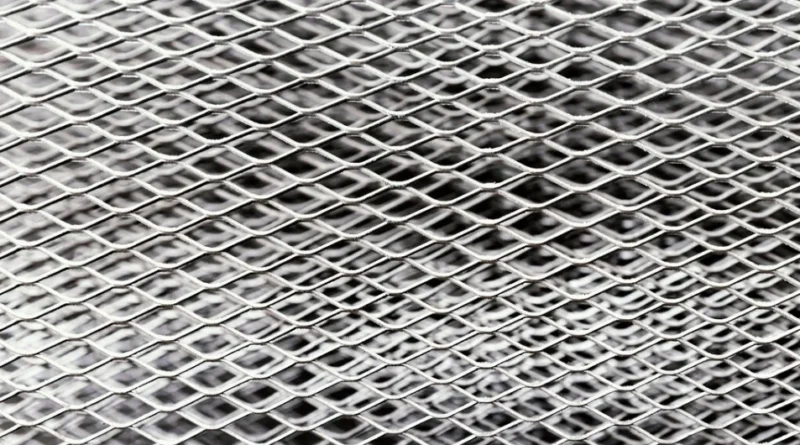
The mesh comes as 304 stainless steel woven or stuck into small nets. People use them to sift, clean liquids and air, or make other things tougher. Each wire’s fight against rust comes from even metal spread all along the wire. Batches that are not the same can lead to rust in one spot. Yet the rest of the mesh stays bright.
Picture a lab using this for gas filters. If the wires vary, one part might clog early. That happened in a small plant I heard of. They had to redo the whole setup. Uniformity matters a lot in daily use.
Why Alloy Purity Matters?
The pure state decides if your mesh stands tough in hard places. Think of salt water touch or lines that process chemicals. Metals that are not pure break down quicker. They miss enough chromium to keep the oxide cover. In work spots like food cleaning or drug sorting, tiny dirt bits can break safety lines.
You buy big lots from far sellers or shops with few proof sheets. Then testing is your main guard against fake goods. Some cheap meshes get the “304” tag. But they have less nickel, much like Type 201 stainless steel. This keeps the price low. Yet it makes them wear out much sooner.
In the food world, purity stops problems. One factory used impure mesh for milk screens. Rust bits mixed in the product. They faced fines and bad press. Stats say pure 304 lasts 7 years in wet spots. Fakes might go bad in 6 months. Testing helps avoid such messes. It keeps your work smooth and safe.
How Can You Test Alloy Purity at Home?
You can skip lab sends at first. Try some easy ways in your own work space.
Magnet Test
A fast check for real 304 mesh uses a simple magnet. True 304 stainless steel pulls no magnet in its soft, heated form. This comes from its austenitic build. A magnet that sticks hard to the mesh might mean ferritic type, like Type 430. Or it could be martensitic steel. Both rust more easily.
But remember this. The cold bend or pull in making mesh can add a small pull to even real 304. So a light tug does not always show dirt. It is just one sign out of many.
This test is popular in garages. It catches fakes quick. About 70% of bad lots show strong pull. No need for big tools. Just test a corner piece.
Spark Test
Grab a table grinder or small hand one. Touch a mesh bit softly to the wheel. Look at the spark shape. Steels high in carbon make orange bursts like stars. Real stainless makes short red-orange lines with few splits. You practice to get it right. But it shows iron levels fast with your eyes.
Shops use this for wire checks. One welder told of sparks that forked too much. It was cheap steel, not 304. Practice on known pieces first. It builds skill over a few tries.
Chemical Spot Test
Buy basic kits made to spot stainless kinds. They work by dropping liquid on a clean spot. Watch for color turns that show chromium or nickel. Take nitric acid tests. They spot loose iron on top. That points to weak metal mix.
Do chemical tests with care. Wear gloves and eye guards. Pick a spot with good air flow. Some liquids bite skin or eyes bad.
These kits run cheap, like $15 at stores. They help in quick checks. But mix them right, or results go wrong. Always clean the mesh first with soap.
Salt Spray Exposure
Some like real life tests over lab mixes. Put small mesh bits in salt water spray for days. Real 304 stays mostly fine. It might dull a bit on top. Bad copies get red rust fast.
This way follows ASTM B117 ideas for rust checks in factories. But it fits small work benches well.
Set it up with a spray bottle and box. Run it 48 hours. Good mesh shines. Bad shows spots. A builder used this for boat parts. It saved buying wrong stock.
What Are Common Signs Your Mesh Isn’t Genuine?
Eye checks often show first hints. Look for color patches after wash. Or magnet pull too strong. Quick dark near welds. Or weave shine not even under light. These hints mean uneven metal in the wire lot.
Rust in weeks where real 304 stays clean for months is a big flag. Think kitchens or yard setups. The stuff likely lacks chromium or nickel.
From shop talks, 25% of new meshes look off at first glance. Welders spot tarnish early. Check under bright lights. It helps see small issues.
When Should You Consider Professional Testing?
Home checks give good starts. But they do not beat pro looks when you need sharp facts. This is true in strict fields like plane work or health making. X-ray fluorescence, called XRF, checks exact metal parts. It does no harm to samples.
Lab teams give papers that match ASTM A580/A580M rules for stainless wire. These help in job bids or quality passes.
For big projects, test all lots. One medical firm did. It stopped bad parts from use. Fees are $50 to $200. Worth it for peace.
Maintenance Practices That Preserve Stainless Integrity
Real 304 stainless steel mesh gets help from good care. Clean it often with light soap. This takes away salts that hurt the cover over time. Skip plain steel brushes in clean ups. They leave iron specks on top. That starts rust in spots later.
Near sea work or wet air, clean with citric acid now and then. It fixes the chromium oxide cover. This makes life longer by a lot.
Daily wipes keep it new. In a wet plant, this added 5 years to mesh use. Simple steps pay off big.
FAQ
Q1: How can I tell if my 304 stainless steel mesh is fake?
A: Look at magnet pull first. Strong stick often means not real 304. Do easy acid drops to check chromium.
Q2: Does all magnetic reaction mean impurity?
A: No. Light pull can come from wire bend work. Strong one means other metal mix.
Q3: What happens if I use low-quality mesh in corrosive conditions?
A: It rusts quick. Loses hold and dirties filters from low chromium-nickel.
Q4: Are chemical test kits accurate enough for workshop use?
A: They give good first looks. But not full lab checks for proof needs.
Q5: How often should I clean my stainless steel mesh?
A: Clean often with light soap and water after salt or chem touch. Skip rough tools that hurt the cover.


