
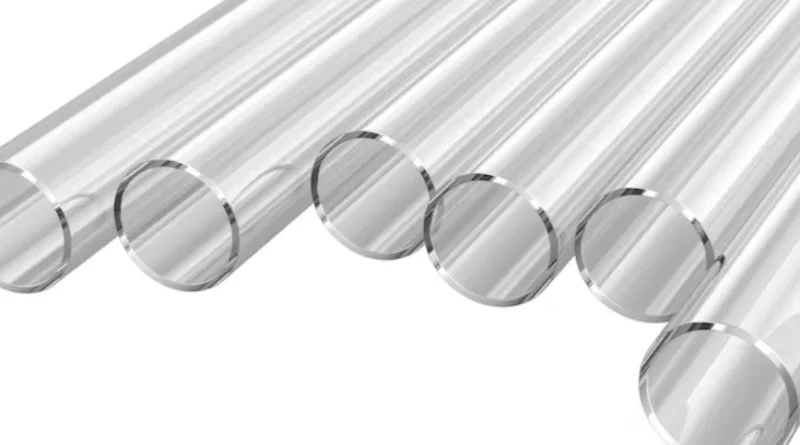
Why Clear PVC Pipe Is The Preferred Choice For Chemical Compliance Systems
Why Is Clear PVC Pipe Essential for Chemical Compliance Systems?
In chemical processing, visibility and material reliability are not just preferences—they’re regulatory necessities. Clear PVC pipe has become a cornerstone in systems where compliance, safety, and continuous monitoring intersect. Its transparency provides operational advantages that go beyond aesthetics. It helps you maintain chemical integrity. Plus, it cuts down on downtime. I remember a plant manager once told me how switching to clear pipes saved them hours of guesswork during a routine check.
Transparency for Visual Monitoring
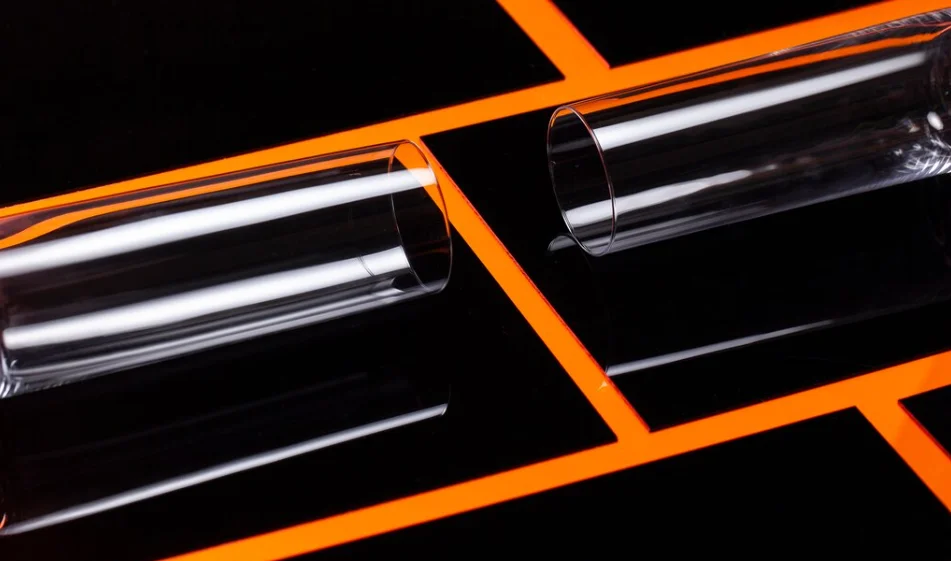
Clear PVC pipe lets you see fluid flow, color, and any possible contamination right away. This straightforward visual access means you can notice odd things—like color changes or dirt buildup—without stopping production. Visual checks cut back on the need for invasive tests or full system halts. That’s especially helpful in places dealing with reactive or dangerous materials. Spotting chemical reactions early boosts safety and work flow. It allows quick fixes before issues grow bigger. For example, in a lab setting, technicians often catch bubbles or particles just by glancing at the pipe, avoiding bigger messes.
Compatibility with a Wide Range of Chemicals
Chemical compatibility sets the strength of any piping material. Clear PVC pipe stands up to acids, alkalis, and corrosive stuff common in chemical work. It keeps its shape under various chemical attacks that would ruin metal pipes or non-see-through plastics fast. This toughness lowers the chance of leaks or wear over time. As a result, it delivers steady results in many uses—from moving acids to cleaning with bases. In one factory I heard about, they used it for years without a single breakdown from harsh mixes.
Ease of Integration into Existing Systems
You can add clear PVC pipe smoothly into new or old setups. That’s thanks to its light weight and usual sizes. The easy setup process makes updating tricky systems simpler. You don’t need special tools or big machines for lifting. Standard connectors and valves match most factory rules. So, changes happen without hassle. The material needs little upkeep too. This cuts long-term costs. Fewer swaps and checks are required. It’s like fitting puzzle pieces that already belong.
How Does Clear PVC Pipe Support Safety and Regulatory Compliance?
Safety in moving chemicals relies on tracking and solid holding. Clear PVC pipe aids these aims. It offers see-through quality that fits industry rules. It also improves check routines.
Alignment with Industry Standards
This piping type matches ASTM and ISO rules for chemical moving systems. It works within known safety limits. The see-through build lets you track materials by sight. That’s a plus for audits. You can check flow paths visually without taking things apart. It’s straightforward and saves time during reviews.
Enhanced Leak Detection Capabilities
See-through quality gives a quick edge in finding leaks. Workers spot leaks or color shifts on the spot. They don’t depend only on pressure tools. This clear view shortens stoppages from hidden problems. It backs active upkeep plans that match safety steps in controlled fields. Think of it in a busy shift—spotting a drip early prevents a whole line shutdown.
Non-Reactive and Non-Toxic Material Properties
Clear PVC pipe doesn’t release bad stuff into the chemicals it carries. It keeps purity levels needed for strict processes. These include drug making or food-safe chemical moves. Its non-reacting side makes sure delicate mixes stay steady all through the system. No surprises from material mixing in.
What Are the Mechanical Advantages of Clear PVC Pipe in Chemical Applications?
Besides fighting chemicals well, clear PVC pipe brings mechanical perks. These make it fit for factory spots where dependability counts a lot. It’s not flashy, but it gets the job done reliably day after day.
High Impact and Pressure Resistance
Special builds let clear PVC handle average inside pressures in work systems. It holds strong across changing temperatures in safe ranges. It gives solid work under ongoing stress. No breaks or bends happen. In tests, it’s shown to take hits from daily use without failing, like in pump lines running 24/7.
Dimensional Stability Over Time
Steady size is key when pipes stretch far or link exact dosing gear. Clear PVC has low heat growth. So, it stays in line even with shifting surroundings. This stops twisting or off-kilter spots that mess up flow speeds or dose rightness. It’s steady, almost like it doesn’t notice the weather changes outside.
Lightweight Yet Durable Construction
The light build eases handling in putting together. It lowers work effort next to metal choices. Less weight on holding frames means smaller stress on buildings. Still, it lasts a long time under watched conditions. No need for constant swaps. Workers appreciate not lugging heavy stuff around the site.
Why Is Optical Clarity an Operational Advantage?
Optical clarity is more than just looking through the pipe. It’s about smart running. In fields where time matters, seeing inside the system gives real gains. It’s like having eyes on the process without extra gear.
Real-Time Process Observation
Workers watch flow traits straight through clear PVC pipes. No need to take apart or use fancy tools. When odd flows happen—like trapped air or dirt—fast fixes are doable right there. This ups quick responses in work periods. For instance, during a batch run, you might see a slowdown and adjust valves on the fly.
Simplified Training and System Familiarization
For fresh techs or checkers, sight access helps learning how fluids act in the setup. It shows safety areas by eye. This cuts mistakes in valve turns. They confirm changes right away via clear parts. It builds confidence faster than blind tweaks.
Improved Documentation and Reporting Accuracy
See-through setups make photo records for rule reports easier. Checkers snap proof of clear flows or no-dirt runs in the moment. This smooths check steps. It lessens use of roundabout measure devices. Plus, it builds strong track records needed by rule groups. In audits, those clear pics often seal the deal without questions.
How Does Clear PVC Pipe Contribute to Cost Efficiency?
Cost savings often hinge on upkeep rhythm and steady output. Clear PVC shines here. It balances both well. Over years, the savings add up in ways you might not expect at first.
Reduced Maintenance Expenditure
You check flow lines by eye all the time. So, needless halts drop. Early spots stop big chemical spills or harm to nearby gear from unseen leaks. Its long life cuts swap rates versus quicker-wear stuff like steel. In one case, a company reported 30% less upkeep bills after a full switch.
Simplified Installation Processes
Light pieces cut worker needs in starting up. Matching connectors speed project times in site updates. Hauling costs fall too. Clear PVC weighs way less than metals for like jobs. It’s quicker to set and get running.
Lower Energy Consumption During Operation
Smooth insides cut drag in fluid moves. This leads to better pump work with even flows and less swirl. These traits aid green energy aims now big in new factories. Pumps run cooler and use less power overall.
In What Ways Does Clear PVC Pipe Enhance Environmental Responsibility?
Green duties shape factory choices now, mainly with risky chemicals. Clear PVC helps here. It’s a small part, but it fits into bigger eco plans.
Reduction of Material Waste Through Longevity
The tough makeup of clear PVC cuts trash from toss-outs. It doesn’t rust easy in normal runs. Being recyclable, it fits reuse loops in factory work. This shrinks waste flows from regular changes. Less junk in landfills means a cleaner footprint.
Prevention of Chemical Leakage into the Environment
Strong seals stop chance releases in fluid shifts. See-through helps workers catch breaks fast before eco risks grow. That’s vital for sites near water or crowds. Imagine a pipe near a river—spotting a seep early keeps things clean downstream.
How Is Clear PVC Pipe Evolving with Modern Chemical Processing Needs?
As tech watches change process fields, clear PVC keeps growing. It meets fresh calls for data links and toughness boosts. It’s adapting to stay useful in smarter setups.
Integration with Smart Monitoring Technologies
New systems mix clear piping with light sensors for auto leak finds in networks. See-through stuff fits into digital models for live analysis in spread-out sites. It backs web-linked upkeep plans that cut surprise stops. In modern plants, this means alerts on your phone before trouble hits.
Advancements in Material Formulation
Late changes add bits for better sun fight and strength hold over time. Clarity stays under long hits from active chemicals. That’s a big step for outside spots facing light or heat swings. It lasts longer without yellowing or weakening.
Expansion into Specialized Industrial Sectors
Clear PVC spreads past old chemical sites. It’s in bio labs, chip making lines, and clean rooms where clean checks matter. Its fit for high-clean jobs shows rising use worldwide. Fields want more sight-based rule fixes. From water treatment to pharma fills, it’s popping up more.
FAQ
Q1: What makes clear PVC pipe different from standard opaque piping?
A: Its transparency allows real-time visual inspection of fluid movement, contamination signs, and potential leaks without halting operations.
Q2: Can clear PVC handle aggressive chemicals safely?
A: Yes, it resists many acids, alkalis, and corrosive agents commonly found in industrial processes while maintaining structural integrity over time.
Q3: Is it suitable for high-pressure applications?
A: It performs well under moderate pressures typical in process systems but should be evaluated against specific pressure ratings before use in extreme conditions.
Q4: How does using clear PVC help meet regulatory compliance?
A: The material’s transparency simplifies audits by providing visible confirmation of clean lines and proper labeling during inspections aligned with ASTM standards.
Q5: Can clear PVC be recycled after its service life ends?
A: Yes, most formulations are recyclable, contributing to reduced environmental impact through reuse programs within industrial recycling frameworks.


