
Lag bolts for wood explained by size, pilot holes, and material
What lag bolts for wood are used for
Lag bolts for wood are heavy-duty threaded fasteners used where a wood connection needs strong clamping force and deeper thread engagement than typical wood screws can provide. They are common in timber framing details, deck ledgers, post hardware, fence gates, pergolas, blocking, and wood-to-metal brackets.
The right choice is not simply the largest diameter on the shelf. A reliable connection depends on the wood member, load direction, embedment depth, pilot hole, washer, coating, spacing, edge distance, and local code requirements. In standards language, these fasteners are usually called lag screws, although many buyers and installers call them lag bolts. For nonstructural work, careful selection and installation are often the main concerns. For structural work, follow the project drawings, applicable code, and manufacturer instructions rather than a general rule of thumb.
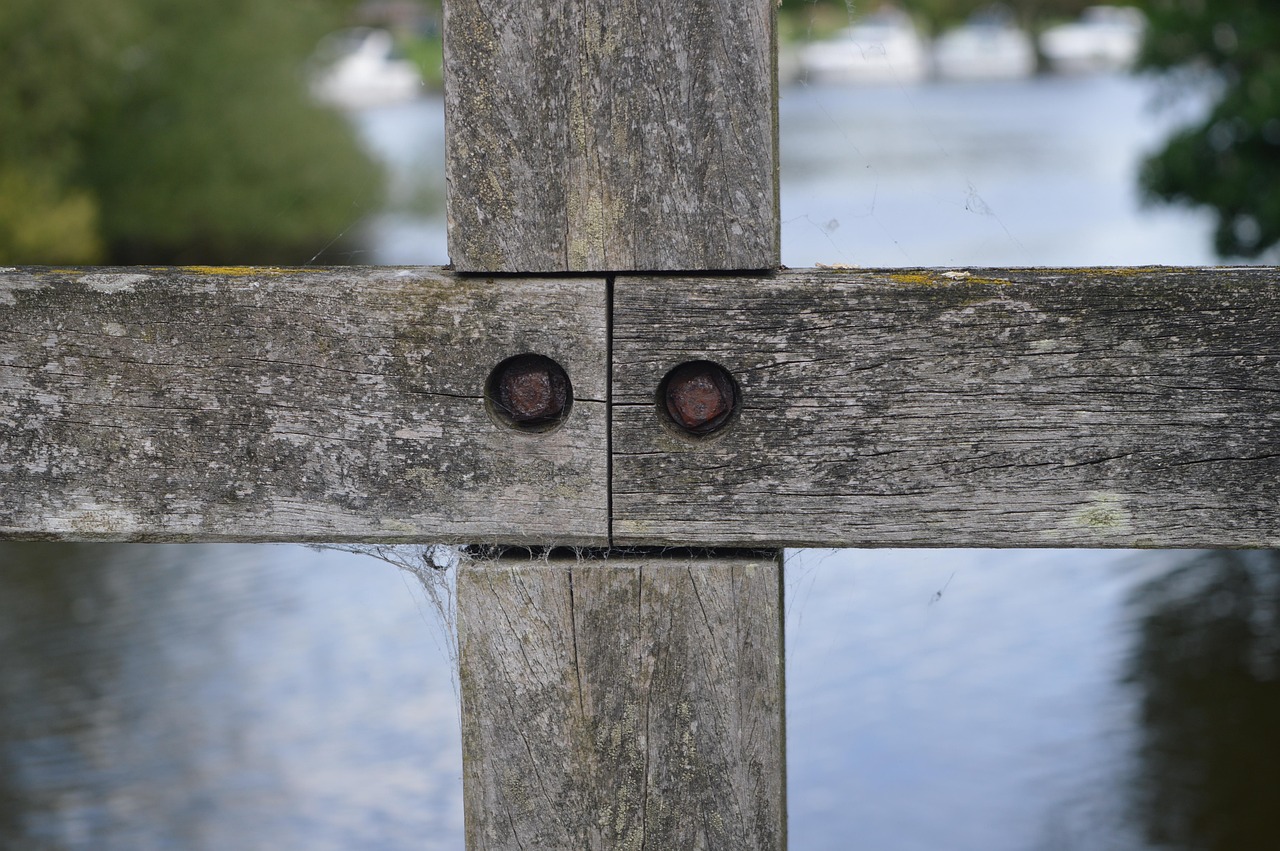
Lag bolt or lag screw
The terms are often used interchangeably in stores, on jobsites, and in online searches. Technically, a lag screw has a pointed wood-screw thread and is driven into a drilled lead hole in wood. A conventional bolt normally passes through the materials and is secured with a nut. That distinction matters because a lag screw depends on thread engagement in the wood, while a through-bolt depends on the nut, washer, and bearing through the assembly.
ASME B18.2.1-2012 (R2021) is the commonly cited inch-series dimensional standard that includes hex lag screws. The American Wood Council commentary to the National Design Specification for Wood Construction also treats ANSI/ASME B18.2.1 as the quality reference for lag screw dimensions, while noting that the designer must specify the required metal strength for the connection. In practical terms, the product shape and diameter label do not automatically make a lag bolt suitable for every load-bearing wood connection.
Body style is another point to check. Some lag screws have a full-diameter unthreaded shank, while others are reduced-body or fully threaded designs. Wood design values can depend on root diameter and other geometry, so structural substitutions should not be made just because two fasteners share the same nominal diameter.
How to choose the right size
Start with the connection, not the package label. A small bracket holding a shelf, a gate hinge fixed to a post, and a deck ledger attached to a band joist all place different demands on the fastener. Before choosing diameter or length, identify what the lag bolt is holding, whether the load tends to pull the screw out or shear it sideways, and how much sound wood is available for thread engagement.
For general hardware selection, the main dimensions are diameter, length, thread length, unthreaded shank length, head style, and washer size. Larger diameters can provide more bearing area and potential capacity, but they also remove more wood and increase the risk of splitting when placed too close to an edge. Longer fasteners help only when the threaded portion reaches the main member that must carry the load. The tapered tip and washer thickness should not be counted as effective thread embedment when strength matters.
A practical buying checklist is:
- Diameter: match the hardware hole and the design requirement. Do not enlarge bracket holes casually.
- Length: allow for the side member, washer, any sheathing or spacer permitted by the detail, and enough thread penetration into the main wood member.
- Washer: use a washer under the hex head where the detail or manufacturer requires it, especially on softer wood or slotted metal hardware.
- Wood condition: avoid relying on cracked, decayed, wet, or punky wood. A larger lag bolt does not repair a weak substrate.
- Code status: for decks, guards, ledgers, and other safety-critical assemblies, verify the local code and approved fastener schedule.
For broader fastener background, see the Bolts & Fasteners section.
Pilot holes are part of the connection
Lag bolts should not be treated like oversized deck screws. Proper drilling reduces splitting, helps the threads engage consistently, and lowers the risk of twisting the head off during installation. The National Design Specification uses lead-hole requirements based on wood density and fastener size. It also states that the threaded portion should be inserted by turning with a wrench, not by hammering the fastener into place.
In many wood-to-wood installations, the side member receives a clearance hole close to the unthreaded shank diameter so the pieces can clamp together. The main member receives a smaller lead hole for the threaded portion so the threads cut into the wood rather than forcing the full shank through solid material. Dense hardwoods usually need larger and more accurate pilot holes than softwoods. Near ends and edges, predrilling becomes even more important because splitting can reduce the useful capacity of the connection.
| Installation detail | Why it matters | Practical check |
|---|---|---|
| Clearance hole in the outer member | Allows clamping instead of jacking the two pieces apart | The shank passes through the outer piece without forcing it |
| Lead hole in the main member | Controls splitting and lets threads engage the wood | The lag turns in firmly without crushing or cracking the wood |
| Washer under the head | Spreads bearing pressure and protects the wood surface | The washer sits flat and does not cup deeply into the member |
| Wrench installation | Prevents impact damage from hammering | The fastener is turned until snug, not over-torqued |
| Correct spacing and edge distance | Reduces splitting and group failure | Fasteners are not clustered at board ends or edges |
Soap or a wood-compatible lubricant is sometimes used to reduce driving torque, but lubrication is not a substitute for the correct pilot hole. If the fastener squeals, stalls, bends, or starts splitting the wood, stop and reassess the hole size, wood condition, and fastener choice.
Material and coating selection
The right coating depends on moisture, chemicals in the wood, and the surrounding hardware. Plain steel or bright zinc-plated lag bolts may be acceptable for dry interior projects, but they are usually a poor choice for exterior exposure or preservative-treated lumber. International Residential Code provisions for fasteners in contact with preservative-treated wood commonly call for hot-dipped galvanized steel, stainless steel, silicon bronze, or copper. Local amendments and manufacturer instructions can be stricter. See also: Fittings & Valves.
Hot-dipped galvanized lag screws are common for many outdoor wood projects because the zinc coating provides sacrificial corrosion protection. However, not all zinc coatings are equal. Thin electroplated zinc is different from hot-dip galvanizing and should not be assumed to perform the same way in treated wood. Stainless steel is often preferred in coastal, high-moisture, or highly corrosive environments, with Type 316 stainless typically selected where chloride exposure is a concern. Fasteners, washers, brackets, and connectors should also be compatible; mixing stainless fasteners with incompatible galvanized hardware, or using coated fasteners with stainless connectors, can create durability problems.
| Application | Common material approach | Important caution |
|---|---|---|
| Dry indoor woodwork | Plain steel or zinc-plated steel may be suitable | Do not use indoor-grade hardware outside |
| General exterior wood | Hot-dipped galvanized or approved exterior-rated coated fasteners | Check the coating description, not just the word galvanized |
| Preservative-treated wood | Hot-dipped galvanized, stainless steel, silicon bronze, copper, or approved alternatives | Follow wood treater, code, and fastener manufacturer guidance |
| Coastal or high-corrosion areas | Stainless steel, often Type 316 depending on exposure | Match washers and connectors to the same corrosion level |
Lag bolts compared with other fasteners
Lag bolts are strong and widely available, but they are not always the best option. A through-bolt may be better when both sides of the assembly are accessible and a nut-and-washer connection is acceptable. A carriage bolt can be useful where a smooth rounded head is desired, although the square neck must seat properly. Modern structural wood screws can be faster to install and may have published evaluation reports, but they should be used exactly as listed by the manufacturer and accepted by the local authority where code approval is required.
| Fastener type | Best use | Limitation |
|---|---|---|
| Lag bolt or lag screw | Heavy wood-to-wood or wood-to-metal fastening where backside access is not available | Depends on wood thread engagement and correct pilot holes |
| Through-bolt | Structural clamping where both sides can be reached | Requires full access for nut and washer |
| Carriage bolt | Connections needing a low-profile rounded head | Square neck may spin if not seated in suitable material |
| Structural wood screw | Engineered wood connections with manufacturer-published capacities | Not automatically interchangeable with lag screws |
Deck ledgers show why this distinction matters. IRC-based deck provisions use specific tables, placement rules, washers, corrosion requirements, and limits for ledger-to-band-joist connections. Spacing depends on conditions such as joist span and assumed loads. A group of randomly placed lag bolts may look strong but still fail inspection or provide an uncertain load path.
Common mistakes to avoid
- Using lag bolts as a cure for weak wood. If the post, stud, ledger, or beam is damaged, the connection remains weak regardless of fastener size.
- Skipping the pilot hole. Splitting may not be obvious at the surface, but it can reduce thread engagement inside the member.
- Over-tightening. Crushing the wood under the washer or stripping the threads can reduce holding power.
- Placing fasteners too close together. Crowded lag screws can split the member or make the group act less effectively.
- Using the wrong coating. Bright zinc or plain steel hardware should not be treated as exterior or pressure-treated-lumber hardware unless the manufacturer specifically approves the application.
- Substituting products without checking approval. A structural screw, lag screw, and bolt may all fit the hole, but they do not have the same design basis.
A simple selection workflow
- Define the job. Identify whether the connection is decorative, utility-grade, or structural. If failure could injure someone, treat it as structural.
- Check the governing detail. Use project plans, local code, manufacturer tables, or an engineer’s specification where applicable.
- Confirm the wood member. Make sure the lag bolt will enter sound side grain with enough thickness, spacing, and edge distance.
- Select diameter and length together. Do not choose diameter first and then accept whatever length is on the shelf.
- Match corrosion resistance. Consider indoor or outdoor exposure, treated lumber, coastal air, and connector compatibility.
- Drill correctly. Use a clearance hole and lead hole appropriate to the fastener and wood density.
- Tighten carefully. Install with a wrench or approved driver method, seat the washer, and stop before damaging the wood.
This workflow does not replace engineering design, but it helps prevent common selection errors. The best lag bolt for wood is the one that fits the load path, the wood, the environment, and the code requirements at the same time.
Frequently asked questions
Are lag bolts and lag screws the same thing?
In common use, yes. Many retailers call them lag bolts, while standards and engineering references often call them lag screws. The important point is that they thread into wood and usually do not use a nut, unlike through-bolts.
Do lag bolts need pilot holes in wood?
For most serious wood connections, yes. Pilot holes reduce splitting and help the threads engage properly. Some small lag screws in lower-density wood may be allowed without lead holes under limited design conditions, but predrilling is still the safer practical habit for controlled installation.
Can lag bolts be used in pressure-treated wood?
Yes, if the fastener material or coating is compatible with preservative-treated wood and the application. Hot-dipped galvanized and stainless steel are common choices, but the wood treater, fastener manufacturer, and local code should be checked for the specific project.
Are structural screws better than lag bolts?
They can be better for some applications because they may install faster and come with published load data, but they are not universal replacements. Use structural screws only where their manufacturer’s instructions and any required code evaluation fit the connection.
How tight should a lag bolt be?
Tighten it until the washer is seated and the connected parts are snug. Do not keep turning after the wood begins to crush, the head starts to bury deeply, or the threads feel stripped. Over-tightening can damage the connection instead of improving it.