

Will 6061 Aluminum Price Per Lb Stay Stable Amid Copper And Brass Decline
Scrap Metal Price Report May 20, 2026: Copper and Brass Decline, Aluminum Holds Steady
The scrap metal market in May 2026 presents a mixed picture. Copper and brass prices have softened as industrial demand cools, while aluminum—especially 6061 alloy—has remained relatively stable. This divergence stems from differences in supply chain resilience, end-use sectors, and energy exposure. For stakeholders tracking the 6061 aluminum price per lb, the alloy’s steady performance amid broader volatility underscores its strategic importance across manufacturing industries.
Overview of the Current Scrap Metal Market Landscape
The nonferrous metals market is navigating a transitional phase shaped by global economic moderation and uneven industrial recovery. Each major metal now reflects distinct demand and cost dynamics that influence scrap valuations.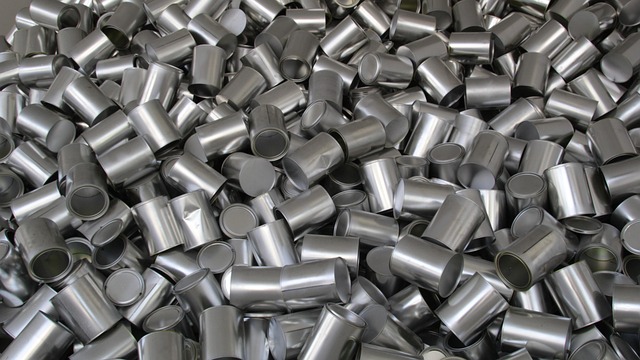
Market Trends as of May 20, 2026
Copper and brass have entered a downward phase due to weaker orders from electrical and construction sectors. The slowdown in infrastructure projects across Asia has trimmed copper consumption, while brass—heavily tied to plumbing and fittings—has mirrored this decline. In contrast, aluminum prices have held firm. Among alloys, 6061 has shown exceptional stability thanks to its diversified industrial base spanning aerospace frames to automotive components. Analysts note that global manufacturing sentiment remains cautious but not recessionary, suggesting a floor for aluminum scrap values through mid-year.
Factors Influencing Divergent Price Behavior Among Metals
Price divergence between copper, brass, and aluminum arises from their differing supply chains and industrial uses. Copper’s dependence on mining output makes it more sensitive to geopolitical disruptions or strikes at major producers. Brass, being an alloy of copper and zinc, inherits similar volatility but adds exposure to construction cycles. Aluminum’s broader recyclability buffers it against such shocks. Energy costs also play a pivotal role: refining copper is less energy-intensive than smelting primary aluminum, yet recycling aluminum consumes only about 5% of that energy—a factor stabilizing secondary market pricing.
The Position of 6061 Aluminum in the Current Market
While other metals fluctuate with short-term demand swings, 6061 aluminum continues to attract steady orders from high-performance sectors. Its mechanical reliability and adaptable processing qualities make it a cornerstone alloy even when macroeconomic headwinds emerge.
Characteristics That Support Price Stability
6061’s high strength-to-weight ratio allows manufacturers to meet structural requirements without adding mass—a crucial advantage in aerospace fuselage design or EV chassis fabrication. Its corrosion resistance extends product life cycles in marine environments and outdoor equipment. Moreover, recyclability keeps production costs manageable as scrap feedstock substitutes primary ingot supply. Because industries rely on standardized performance metrics for this alloy, consumption remains predictable even when other grades face substitution or delay.
Comparison with Other Aluminum Grades
Compared with alloys like 3003 or 5052, which are softer and easier to form but less strong, 6061 commands a premium in scrap markets due to its balance of machinability and tensile strength. Processing efficiency also differs: higher magnesium-silicon content requires precise melting control but yields superior mechanical consistency after extrusion or forging. These traits sustain its reputation as an industrial benchmark alloy rather than a commodity-grade material subject to rapid price erosion.
Market Perception of 6061 as a “Core Industrial Alloy”
Industry buyers regard 6061 not merely as another aluminum variant but as a core input underpinning multiple value chains—from transportation frames to precision tooling plates. This perception itself contributes to pricing resilience; when procurement budgets tighten, firms often reduce purchases of specialty alloys first while maintaining orders for essential grades like 6061.
External Economic Forces Affecting 6061 Aluminum Pricing
Global macroeconomic indicators increasingly dictate short-term metal pricing behavior. For aluminum producers and recyclers alike, shifts in manufacturing activity or energy policy can alter cost structures within weeks.
Impact of Global Manufacturing Activity
Manufacturing output across North America and East Asia remains the key determinant for 6061 aluminum price per lb movements. Rising EV production supports steady billet demand even as traditional automotive assembly slows. Construction spending has been uneven; yet lightweight materials remain favored where regulatory efficiency targets persist. Regional recoveries following previous slowdowns show how quickly demand can rebound once capital expenditure resumes.
Energy Prices and Their Effect on Smelting Costs
Aluminum’s cost base is uniquely tied to electricity markets since smelting requires large continuous loads. When natural gas or coal prices spike, producers either cut output or pass costs downstream. However, the growing integration of renewable energy sources into smelter grids is gradually moderating volatility by providing cheaper off-peak power contracts—a trend likely to stabilize long-term pricing trajectories through greater cost predictability.
The Role of Recycling in Price Equilibrium
Recycling continues to act as the balancing mechanism between fluctuating primary production costs and end-user affordability.
Scrap Supply Dynamics for Aluminum Alloys
Higher collection rates from automotive dismantlers and beverage can recovery programs have bolstered secondary aluminum availability since early 2025. Yet quality variation among collected alloys influences melt losses during remanufacturing; lower-grade scrap requires additional refining steps that narrow profit margins even when headline prices appear stable.
Interaction Between Primary and Secondary Markets
When primary ingot prices climb too far above recycled equivalents, foundries pivot toward secondary inputs until equilibrium returns. This dynamic helps prevent sharp spikes in 6061 aluminum price per lb, especially during periods when copper or brass markets experience speculative surges that redirect investor attention toward alternative metals.
Intermetallic Relationships: Copper, Brass, and Aluminum Correlations
Nonferrous metals rarely move in isolation; substitution patterns across industries frequently shape relative pricing outcomes over time.
Cross-Metal Substitution Effects in Industrial Applications
Manufacturers often redesign components using aluminum instead of copper when conductivity requirements allow trade-offs for lighter weight or corrosion resistance benefits—as seen in HVAC tubing or electrical busbars for low-voltage systems. Such cross-metal flexibility enhances aluminum’s long-term competitiveness regardless of short-term copper fluctuations.
How Declining Copper and Brass Prices Could Influence Aluminum Demand
As copper prices fall, substitution pressure eases slightly since cost savings from switching materials diminish. Nonetheless, many transport-sector applications prioritize fuel efficiency over raw material savings; thus demand for lightweight aluminum persists even amid cheaper copper alternatives.
Outlook for 6061 Aluminum Price Per Pound Through Mid‑2026
Market participants anticipate moderate steadiness rather than dramatic movement heading into mid-2026 given balanced fundamentals across supply chains.
Anticipated Short-Term Movements Based on Current Indicators
If global manufacturing indices hold near present levels, analysts expect a stable-to-mildly-bullish trajectory for 6061 aluminum price per lb through the next quarter. Any corrections will likely stem from macroeconomic data surprises or sudden adjustments in energy futures rather than structural weakness within end-use sectors.
Medium-Term Considerations for Industry Stakeholders
Producers are advised to maintain flexible inventory strategies since intermetallic correlations remain unpredictable under shifting trade policies or recycling mandates. Monitoring bilateral trade agreements involving bauxite exporters could reveal early signs of capacity expansion pressures later this year.
FAQ
Q1: What is driving the current stability in 6061 aluminum prices?
A: Strong demand from aerospace and EV manufacturing combined with efficient recycling systems supports consistent pricing despite broader market softness.
Q2: How does energy pricing affect the cost of producing aluminum?
A: Since smelting consumes significant electricity, fluctuations in power markets directly impact production expenses; renewable integration helps mitigate these swings over time.
Q3: Why are copper and brass prices declining while aluminum holds steady?
A: Reduced construction activity has weakened copper-based alloy demand whereas diversified applications keep aluminum consumption resilient.
Q4: Does recycled aluminum differ significantly from primary material?
A: Properly processed secondary aluminum retains nearly identical metallurgical properties while offering substantial energy savings compared with virgin smelting routes.
Q5: What should buyers watch for heading into late 2026?
A: Key indicators include global manufacturing PMI trends, regional energy tariffs affecting smelters, and evolving trade measures influencing cross-border scrap flows.


