
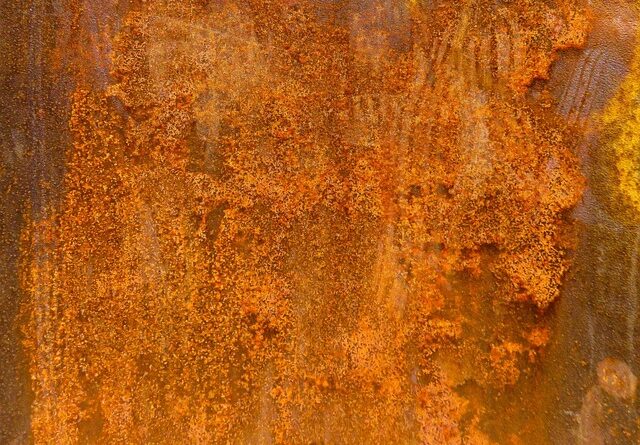
How Iron Phosphate Coating Weight Affects Corrosion Resistance Performance
How to Measure Iron Phosphate Coating Weight
Iron phosphate coating weight is a critical parameter that defines the coating’s protective performance and paint adhesion quality. Accurate measurement ensures consistent corrosion resistance across production batches. The most reliable method involves gravimetric testing under ASTM B767, which quantifies coating mass per unit area after chemical stripping. Advanced techniques such as XRF and SEM complement this by providing compositional and morphological insights. In industrial practice, maintaining stable bath chemistry, temperature, and pH directly influences coating weight control and overall surface treatment efficiency.
Fundamentals of Iron Phosphate Coating
Iron phosphate coatings are widely used as conversion layers in metal finishing lines. Their formation is governed by controlled chemical reactions that create a protective layer improving subsequent paint or powder adhesion.
Chemical Composition and Formation Mechanism
Iron phosphate coatings form when a steel surface reacts with an aqueous phosphate solution containing phosphoric acid and accelerators. This reaction develops a crystalline or amorphous layer composed mainly of iron(III) phosphate compounds. The morphology depends on bath composition, temperature, and pretreatment cleanliness. For instance, higher bath acidity promotes finer crystal structures, while contaminated surfaces yield uneven film growth. Proper control of these parameters ensures uniform coverage essential for corrosion protection.
Functional Role in Corrosion Protection Systems
The coating acts as a conversion layer that bridges the metal substrate and organic topcoats. It enhances paint adhesion by increasing surface roughness at the microscopic level and reduces underfilm corrosion by limiting ionic transport pathways. Additionally, it provides uniform surface energy that improves wetting during painting operations. In automotive applications, this uniformity helps achieve consistent electrocoat film thickness across complex geometries.
Measurement of Iron Phosphate Coating Weight
Accurate determination of iron phosphate coating weight is essential for quality assurance and process optimization. Measurement data guide adjustments in bath composition and processing time to maintain performance standards.
Standardized Testing Methods
Gravimetric analysis remains the most accepted approach under ASTM B767 or equivalent standards. The process involves chemically stripping the phosphate layer using an acid solution—commonly chromic acid or inhibited nitric acid—and measuring the specimen’s mass loss per unit area before and after stripping. This difference represents the coating weight expressed in milligrams per square foot (mg/ft²) or grams per square meter (g/m²). Consistency in sample cleaning, drying, and handling minimizes deviations between measurements.
Factors Influencing Measurement Accuracy
Several factors can distort results if not properly managed. Variations in substrate roughness alter apparent surface area, leading to over- or underestimation of coating mass. Residual contaminants from incomplete degreasing may interfere with stripping efficiency, leaving unremoved phosphate residues. Likewise, uncontrolled drying—either excessive heating or ambient moisture absorption—can change sample mass readings by several milligrams, enough to skew interpretations during process audits.
Advanced Analytical Techniques for Characterization
Beyond gravimetry, advanced analytical methods provide complementary insights into coating properties. X-ray fluorescence (XRF) offers non-destructive quantification of elemental composition across large areas with high repeatability. Scanning electron microscopy (SEM) reveals microstructural features such as crystal morphology and thickness distribution at submicron resolution. Energy-dispersive spectroscopy (EDS), often coupled with SEM, confirms the presence of key elements like Fe, P, O, and Zn where applicable in mixed-metal systems.
Relationship Between Coating Weight and Corrosion Resistance
The correlation between coating weight and corrosion resistance is well established across multiple studies and industrial standards. However, more weight does not always mean better protection; balance is crucial.
Influence of Coating Weight on Protective Performance
An optimal range typically ensures full coverage without excessive porosity or brittleness. Thin coatings below specification may leave exposed steel sites vulnerable to rust initiation during humidity testing or salt spray exposure (ASTM B117). Conversely, overly thick films can crack under mechanical stress or cause poor paint adhesion due to reduced flexibility of the underlying phosphate layer.
Electrochemical Behavior of Different Coating Weights
Electrochemical tests such as potentiodynamic polarization reveal that heavier coatings generally exhibit lower corrosion current densities (Icorr), indicating superior barrier performance. Electrochemical impedance spectroscopy (EIS) further quantifies film stability over time by measuring charge transfer resistance at the metal–electrolyte interface. Denser crystalline structures show slower degradation rates because they limit electrolyte penetration through grain boundaries.
Interaction with Post-Treatment and Paint Layers
The interaction between conversion coatings and subsequent treatments plays a decisive role in long-term durability. Modern processes often employ chromate-free sealers or zirconium-based rinses that bond chemically with phosphate crystals to enhance corrosion resistance before painting. Coating weight also affects wetting behavior during primer application; too light a film can lead to localized poor coverage on edges or recessed areas.
Process Parameters Affecting Coating Weight Control
Maintaining target coating weights requires precise control over process variables such as bath composition, temperature, immersion time, agitation intensity, and substrate preparation quality.
Bath Composition and pH Regulation
Phosphate concentration dictates deposition rate: higher concentrations accelerate film growth but risk coarse crystal formation if uncontrolled. pH adjustment within the recommended range—typically between 4.0 and 5.5—directly influences nucleation density and adhesion quality. Additives like nitrite accelerators promote uniform nucleation by controlling iron dissolution kinetics during phosphating reactions.
Temperature, Immersion Time, and Agitation Effects
Temperature significantly affects reaction speed; each 10 °C rise roughly doubles reaction rate following Arrhenius behavior but can coarsen crystal size if excessive. Immersion time must be optimized: too short yields incomplete coverage; too long causes over-deposition leading to powdery films prone to flaking during rinsing stages. Agitation through air sparging or mechanical circulation maintains homogeneous ion concentration around complex-shaped parts ensuring even deposition thickness throughout.
Surface Preparation Prior to Phosphating
Surface preparation defines how effectively phosphates adhere to metal substrates. Degreasing removes oils that inhibit crystal nucleation; pickling eliminates oxides that block active sites required for reaction initiation. Surface roughness after cleaning influences nucleation density—the finer the finish, the more uniform the resulting film structure becomes. Poor cleaning leads to patchy coatings visible under SEM inspection as discontinuous regions lacking full coverage.
Practical Optimization Strategies for Industrial Applications
Industrial-scale phosphating demands reproducible results despite variable operating conditions such as part geometry differences or fluctuating bath chemistry due to drag-in contamination.
Establishing Target Coating Weight Ranges for Specific Metals
Different substrates require distinct target ranges: cold-rolled steel may need 1–2 g/m² while galvanized surfaces function best around 0.8–1 g/m² due to zinc reactivity differences. Setting these targets allows balancing corrosion protection with paint adhesion efficiency without unnecessary material consumption or processing time increases.
Monitoring and Quality Assurance Techniques in Production Lines
Continuous monitoring systems now track bath conductivity, free acid ratio (FAR), total acid ratio (TAR), temperature stability, and sludge accumulation levels automatically through inline sensors connected to PLCs for real-time adjustments. Regular calibration of weighing instruments used for gravimetric tests ensures traceability according to ISO/IEC 17025 laboratory standards—a requirement increasingly demanded by automotive OEMs during supplier audits.
Integration with Modern Surface Treatment Technologies
Combining traditional iron phosphate pretreatment with nanoceramic technologies has become common practice among manufacturers seeking improved environmental compliance without sacrificing performance metrics like salt spray hours (>500 h). Hybrid systems reduce sludge formation rates by up to 80%, lower energy consumption due to reduced rinse stages, and deliver comparable paint adhesion values measured via cross-hatch testing (ISO 2409).
FAQ
Q1: What is the ideal iron phosphate coating weight for automotive components?
A: Typically between 1 and 2 g/m² depending on substrate type; this range balances corrosion protection with optimal paint adhesion properties verified through salt spray testing.
Q2: Why use gravimetric methods instead of XRF for routine measurement?
A: Gravimetry directly measures total deposited mass regardless of phase composition; XRF provides elemental data but may misrepresent amorphous coatings lacking defined stoichiometry.
Q3: How does pH drift affect coating quality?
A: A pH rise above specification slows reaction kinetics causing thin films; low pH accelerates deposition but risks coarse crystals reducing paint bonding strength.
Q4: Can iron phosphate be used before powder coating?
A: Yes; it enhances adhesion by providing micro-roughness while preventing underfilm corrosion during thermal curing cycles up to 200 °C.
Q5: What maintenance practices extend bath life in production lines?
A: Regular filtration removing sludge particles smaller than 50 µm, periodic titration checks every shift, and replenishment dosing maintain consistent deposition characteristics over extended runs.


