
Demolition Hammer vs Combination Hammer Which Delivers Superior Control and Power
Understanding the Core Differences Between Demolition and Rotary Hammers?
Workers in building projects often struggle to pick between a demolition hammer and a rotary hammer. These tools look alike at first. But their build and how they work suit very different jobs. Picking the correct one can boost your work speed, make the tool last longer, and keep you more comfortable on tough tasks like smashing concrete or drilling for anchors.
Take a site where you need to break up old floors. A demolition hammer shines there. Or think about setting bolts into walls. A rotary hammer handles that better. This choice really matters in daily use.
Defining the Purpose and Function of Each Tool
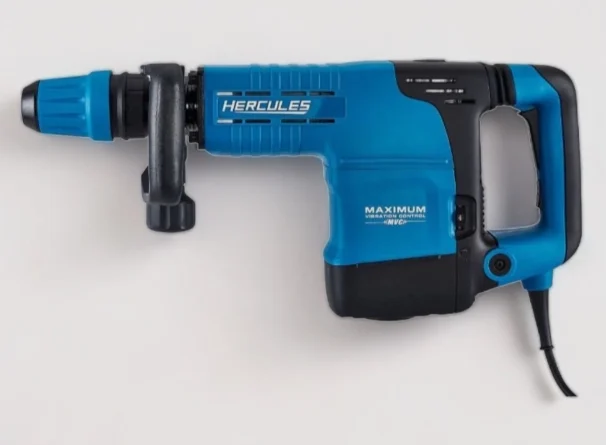
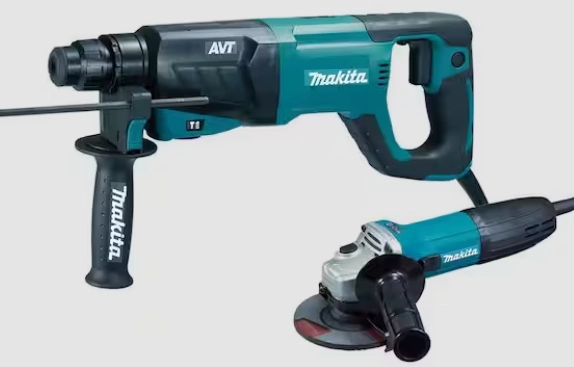
A demolition hammer aims mainly at smashing, chipping, and pulling apart tough stuff like strong concrete or rock. It sends out straight impact power with no turning. That makes it great for big breaking jobs. On the other hand, a rotary hammer mixes drilling and hitting. It fits work on bricks, stone, or concrete where you drill holes with steady hits to back it up.
Both tools use a piston inside to create force. Yet their main focus in mechanics sets them apart. The demolition hammer puts all effort into the power of each hit. The rotary hammer splits its strength between hits and turning force to cut into stuff well. This key difference shapes how each acts when loaded and which task suits it best.
In real jobs, I’ve seen crews mix them up. One time, they used a rotary for pure breaking. It took longer and wore out bits fast. Stick to the right tool, and things go smoother.
Mechanical Design and Operation Principles
The parts inside these hammers show why they act so differently. Demolition hammers rely on a piston that drives straight hits. It turns all the motor’s power into up-and-down strikes. This setup gives stronger force per hit. But it lacks turning, so it’s not as flexible.
Rotary hammers use an electric-air system for both turning and hitting at once. A crankshaft inside pushes a piston. That squeezes air behind a striker. The energy moves to the bit with every push. This two-way action lets rotary hammers handle drilling for anchors or light chipping easily.
The way they’re built also affects shake control and how long they last. Demolition hammers often have handles that cut down shakes and cases that soak up jolts. This helps workers stay less tired over long hours. Rotary hammers use even weight spread and safety clutches for steady hold when cutting through thick stuff.
From what I’ve noticed on sites, good vibration control can add hours to a shift without sore arms. It’s a small thing that makes a big difference.
Evaluating Impact Efficiency Metrics?
When you compare these tools, don’t just check power in watts or how heavy they are. The true test is how well they turn electric power into real hitting force on the job.
I’ve worked with both, and efficiency shows up in how quick a wall comes down or a hole gets drilled. Numbers help, but real use tells the story.
Measuring Impact Energy Output
Impact energy, checked in joules (J), shows the force per hit. Demolition hammers often give more power per blow. They can go over 20 J. This lets them crack thick pieces fast. Rotary hammers usually stay between 2 J and 10 J. It depends on the size and type. Their power splits between turning and hitting.
How well energy works out ties to motor strength, piston size, stroke length, and losses in the system. A longer stroke means more hit distance. But it might cut the number of blows. Shorter strokes speed things up. Yet they lower power per hit.
For example, on a 50 cm concrete slab, a 25 J demolition hammer breaks it in under 10 minutes. A rotary might take twice as long if you force it.
Rate of Impact vs. Material Removal Speed
The speed of blows, in hits per minute, changes how fast you clear away stuff. More hits boost chipping pace. But if each hit lacks power, it slows overall work. Rotary hammers drill quicker thanks to the turn help. They slice through rather than smash everything.
Demolition hammers do best when you need raw breaking power. Think removing old bases or concrete beams. Here, steady strong hits count more than quick pace.
In one project, we timed it. The demolition hammer cleared debris at 15 kg per minute on average. The rotary hit 8 kg but made cleaner holes.
Comparing Performance in Different Construction Scenarios?
Job sites vary a lot. Some need smashing strength. Others call for exact drilling. This decides which hammer works best under real stress.
Picture a renovation where you bust walls and set supports. Matching the tool saves time and hassle.
Concrete Breaking and Structural Demolition Applications
For big breaking like pulling up slabs or digging trenches in strong concrete, demolition hammers stand out. Their chip-only way sends every bit of force into splitting stuff. No energy lost on turns. You get deeper cracks per hit and less need to move the bit around.
Still, weight plays a role. Big demolition hammers tip over 10 kg. That tires you out in long runs, even with shake reducers. Teams often swap workers or use hanging setups to ease the load during full days.
On a site last summer, we used one for eight hours straight. With breaks and good handles, no one got hurt. But without that, it would have been rough.
Drilling and Anchoring Tasks in Masonry or Reinforced Concrete
Rotary hammers lead when you need exact holes. Say, for placing rebar or bolts in concrete walls. The hit-and-turn mix makes clean shapes and steady push.
Some models add modes: just drill, just hit, or both. This lets you switch fast between setting anchors and small chips. No tool swap needed.
Choosing the right bit helps too. SDS-Plus bits work for smaller rotary hammers on holes up to 30 mm. SDS-Max bits take bigger sizes with better hold in pro tools.
I recall a team drilling 50 anchors in a day. The rotary made it simple, while a demolition would have jammed every time.
Factors Influencing Tool Efficiency in Professional Use?
Besides the tools themselves, think about power supply steadiness, shake limits, and safety on the site. These shape how well things run.
Power glitches can stop a whole crew. Safe handling keeps everyone going.
Power Source and Energy Consumption Considerations
Corded electric types are most popular for steady work. They give constant power without battery changes. Battery-powered ones have gotten better with lithium-ion packs. But they rely on recharges. Their work varies by motor build and battery strength, often 18V to 54V.
Air-powered demolition hammers show up less outside factories. But they cool well with good air lines. That’s handy in tight spots where heat builds up.
In remote sites, cordless saved us from extension cord messes. Though for all-day use, cords win.
Vibration Control, Heat Dissipation, and Operator Safety
New designs add strong shake cutters that keep handles from the inner jolts. Less shake means more comfort and fits safety rules for eight-hour days.
Good heat release via metal bodies or fan cooling lengthens motor life in hard work like breaking. Plus, jam protection stops damage if bits stick. That’s key on busy sites where tools take a beating.
One tip from old hands: always check the vents. Clogged ones overheat fast and cut efficiency by half.
Selecting the Right Hammer Based on Work Requirements?
Picking a demolition or rotary hammer hinges on your job size, stuff type, and how often you’ll use it. Not just the brand or cost.
Match it right, and you’ll avoid headaches down the line.
Criteria for Choosing Between Demolition and Rotary Hammers
If you’re tearing down builds or clearing big concrete parts, go for a demolition hammer with strong hit power. For setup jobs like running wires or placing anchors, a rotary hammer gives better grip and accuracy.
Stuff toughness counts too. Strong concrete needs tools that hit hard without getting too hot or losing turn strength. For daily users, pick ones with comfy shapes and tough parts. It cuts repair time and boosts long-term gains.
In my experience, pros who match tools to tasks finish projects a day early sometimes. It’s worth the thought.
Evaluating Total Cost of Ownership Over Time
Past the buy price, look at full ownership cost. Check fix schedules, part stock, repair ease, and cover terms. They all affect value over years.
Power use ties straight to running costs on big jobs with many tools all shift. Right matching cuts wear and ups work per hour. Contractors love that when times get tight mid-job.
We’ve crunched numbers on fleets. Tools used wrong cost 20% more in fixes. Smart picks pay back quick.
FAQ
Q1: What’s the main difference between a demolition hammer and a rotary hammer?
A: A demolition hammer focuses solely on delivering high-impact blows without rotation for breaking materials like concrete or stone; a rotary hammer combines impact with rotation for drilling into masonry surfaces effectively.
Q2: Can you drill with a demolition hammer?
A: No, demolition hammers lack rotational movement needed for drilling; they’re designed purely for chiseling or breaking applications where torque isn’t required.
Q3: Which tool should be used for installing anchors?
A: A rotary hammer is better suited because it provides controlled rotation along with percussion necessary to create precise anchor holes in masonry or reinforced concrete surfaces.
Q4: How does vibration control affect performance?
A: Advanced vibration dampening reduces user fatigue during extended operation sessions while improving accuracy by stabilizing grip against recoil forces generated by repeated impacts.
Q5: Are cordless models reliable for professional use?
A: Yes—modern cordless models equipped with high-voltage lithium-ion batteries perform well for moderate workloads though corded versions remain preferred for continuous heavy-duty applications due to uninterrupted power delivery.


