
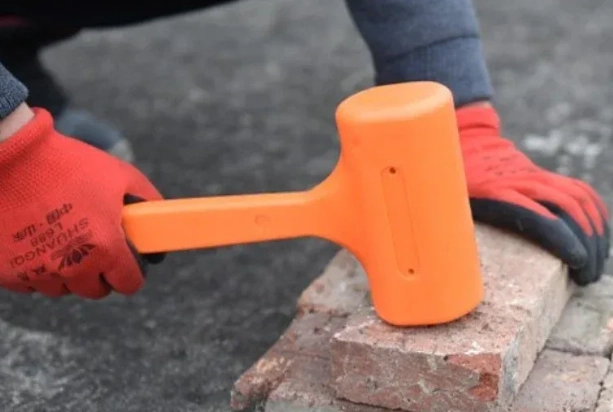
What Makes A Dead Blow Hammer Essential For Precision Assembly Work
Dead Blow Hammers Explained: Low-Rebound Striking for Assembly and Repair
The dead blow hammer may seem like a basic striking tool at first glance. But its inside setup reveals a clever design. In jobs like putting things together or fixing them where exact work counts, this hammer’s low-bounce action proves very useful. Workers in machine shops, car factories, and plane-building places use it a lot. They need steady force without harming the surface or piece they’re handling. This piece looks at how its parts, build materials, and easy-to-hold shape make it a top pick for pros dealing with careful setups or lots of hitting tasks. I remember once in a shop, a guy used one to tap a gear into place without a single scratch—saved hours of rework.
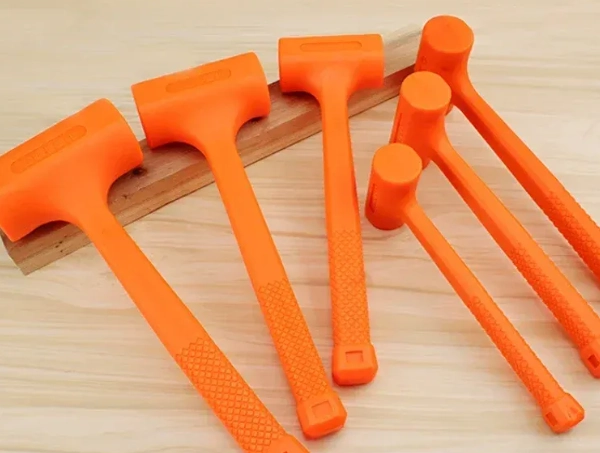
The Design and Mechanics of a Dead Blow Hammer?
Before we get into uses, it’s key to understand how the dead blow hammer gets its special traits. A regular hammer just uses the weight of its head and your swing to hit. But this one adds inside padding to manage energy flow.
The Core Principles Behind Low-Rebound Striking
The head of a dead blow hammer has a hollow space packed with steel shot or sand. When you hit something, that loose stuff shifts ahead. It soaks up the moving energy. This cuts down on bounce. Almost all the hit power goes straight into what you’re striking. You end up with steady force and little kickback. Less shaking also keeps your wrist from getting tired. It stops extra jolts from running up the handle in ongoing work. Think about tapping a fragile part 50 times in a row—without this, your arm would ache by the tenth swing.
This no-bounce idea shines in tasks with tight-fit pieces or exact line-ups. Even a tiny extra hit can wreck things. The hammer takes in extra movement inside itself. So it wipes out follow-up bumps that might twist soft parts. In my view, that’s why mechanics swear by them for engine work; one wrong rebound and you’re starting over.
Material Composition and Structural Variations
Builders make dead blow hammers from tough stuff that fits factory and shop needs. Polyurethane heads show up often. They’re gentle on surfaces, so no marks on metal or painted spots. Yet they hold up to many hits. Some have steel or fiberglass handles for extra toughness. But they don’t weigh too much.
The head style changes by job type. Solid ones give solid thumps for big tasks. Shot-filled kinds do better at soaking shakes for close work. In wet or chemical spots, special coatings fight rust. They keep the tool working longer without breaking down. For instance, in an auto plant near the coast, these coatings stopped rust from salty air ruining a whole set of hammers after just a few months.
The Functional Advantages in Precision Assembly Work?
In exact putting-together jobs, staying in control matters most. A dead blow hammer hands you that control. It mixes soft hits with even weight spread.
Eliminating Surface Damage During Assembly
A big plus of the dead blow hammer is stopping harm to surfaces. Its soft faces guard shiny or cut parts from dents and scrapes. That’s vital when fitting bearings or lining up gears in machines. The hit spreads out over the whole face. It doesn’t focus in one spot. So you get snug fits without bending weak pieces.
Take installing bearings into cases, for example. A little dent can mess up the straightness needed. The dead blow hammer skips this trouble. It gives steady push with careful taps, not hard smacks. In one repair shop I heard about, they used a 16-ounce model to seat 20 bearings in a day without a single flaw—pure efficiency.
Enhancing Accuracy and Repeatability in Striking Tasks
Steady work marks good assembly pros. Each tap from this hammer gives the same energy. So you can repeat steps without worry. Less bounce means better lining up when pushing in parts. The tool holds still after touch instead of jumping away.
This steady hold lets you make fine changes. You can adjust setups or shapes safely. No chance of hitting too hard or hurting nearby bits. It’s like having a reliable partner in tight spots, especially when you’re racing a deadline on a prototype build.
Comparing Dead Blow Hammers with Conventional Hammers?
Old-style hammers work fine in some cases. But they don’t cut it for careful control. Looking at how they work shows why pros grab a dead blow one more often.
Differences in Energy Transfer Dynamics
A usual hammer counts only on your swing to push force. When it hits, some energy bounces back through the handle. That makes wild movement. It can throw off lines or cause extra unintended hits. But a dead blow hammer shares out its energy. It uses soft hit waves from the inside shot.
This gap matters a lot in set-up jobs with exact measures. Even small slips can change how well things run. Like in building motors or setting up tools for tests. There, a rebound could cost you a whole batch—I’ve seen it happen with regular hammers, turning a quick fix into a full teardown.
Ergonomic and Safety Considerations for Professionals
Tool choice goes beyond just how it hits for long jobs. Ease of use plays a big part. Dead blow hammers make less shake. So your hands stay fresh in repeated tasks. Handles usually have rough grips. They help you hold on even in greasy shop settings.
Cutting back on kick also boosts comfort. It lowers chances of slips that might hurt you or break gear nearby. That’s a quiet but real safety win for techs in close-tolerance work. Plus, in busy lines, fewer slips mean smoother days all around.
Applications Across Industrial and Technical Fields?
This hammer’s flexibility fits many areas. From fixing big machines to putting together small electronics. Each spot gains from its no-bounce traits in its own way. It’s not just for one trade; it pops up everywhere pros need control.
Use in Mechanical and Automotive Assembly
In machine lines and car fix shops, folks use these hammers a ton for putting in bearings. They push force evenly without hurting the rings or cases. They’re great too for tweaking ride parts or lining up frame bits in old car fixes.
People rebuilding motors lean on them to set pistons or main shafts. Exact fits make sure everything runs smooth after. In a garage I know, they handled a full transmission swap using just these—cut the time by half compared to old methods.
Implementation in Aerospace, Electronics, and Toolmaking Sectors
Plane workers like the non-spark plastic heads. They avoid fire risks near fuel lines. At the same time, they guard light metals from tiny cracks in upkeep jobs. In electronics spots, the no-electric flow makes them safe by touchy wires. A static zap there could ruin a whole board.
Tool builders tap them to line up guides and molds right in making. Even a small off-line can mess up making thousands of the same item. It’s precise work, and these hammers keep it on track without the drama of bounces.
Selecting the Appropriate Dead Blow Hammer for Specialized Work?
Picking the best one means knowing your job needs and how materials act in your flow.
Evaluating Weight Distribution and Head Design Options
Heavy hammers give stronger hits. But you need firm spots to swing them right. Light ones let you handle details better. Like for small boxes or control boards. Heads with shot inside soak shakes well on soft metals like aluminum. Solid heads fit hard stuff like steel. There, controlling bounce matters less than straight power.
Weighing these points helps pick a tool right for force and care in your space. Sometimes, trying a few weights in the shop shows what feels best—don’t skip that hands-on test.
Maintenance Practices to Preserve Performance Integrity
Checking often keeps the tool solid over years. Look especially for drips if it has loose fill like shot or sand in the head. Wipe the plastic faces clean. That stops dirt moving from one setup to another. It could harm parts later.
Store it flat, away from hot or cold extremes. This keeps the hit sides in shape. So every tap stays the same, even after sitting for weeks. Simple habits like these extend life—I’ve got a 10-year-old one still going strong from basic care.
FAQ
Q1: What makes a dead blow hammer different from a regular mallet?
A: A dead blow hammer has inside stuff like steel shot. This soaks up bounce energy when it hits. It gives steady taps. Regular mallets jump back after striking a spot.
Q2: Can I use a dead blow hammer on metal surfaces?
A: Yes, pick ones with polyurethane faces. They avoid marks but still pack enough push for metal jobs. Like setting bearings or lining up frames.
Q3: How do I know which weight class of hammer to choose?
A: Go by job size. A heavy head works for big machine setups needing big hits. Light ones fit soft line-up tasks where skill beats strength.
Q4: Are there safety precautions specific to these hammers?
A: Check it before each use for breaks or leaks. Put on gloves near oils since hold might slip on some handles. Skip broken ones. Loose inside stuff throws off balance bad.
Q5: Do dead blow hammers require special maintenance?
A: Just easy care works. Clean after jobs and keep flat out of sun to stop plastic wear. Peek now and then that the fill stays shut in the head. This keeps it running well for years.


