Can a Hammer Drill Optimize Drilling Performance in Industrial Applications
The Functionality of a Hammer Drill
A hammer drill stands as one of those basic tools that keeps the current building industry running smoothly. It goes beyond simple power. Instead, it focuses on exactness when things get tough. If you fix bolts in concrete or put in pipes within strong walls, how the hammer drill works sets the pace and correctness. For workers in the field, understanding the inside workings and how they show up in daily jobs can mean the gap between a neat opening and a broken area. A crew leader shared a story about a rushed project where the correct tool choice cut down extra work by several hours. That kind of thing happens more often than you might think in fast-paced builds.
The Mechanical Principle Behind Hammer Drilling
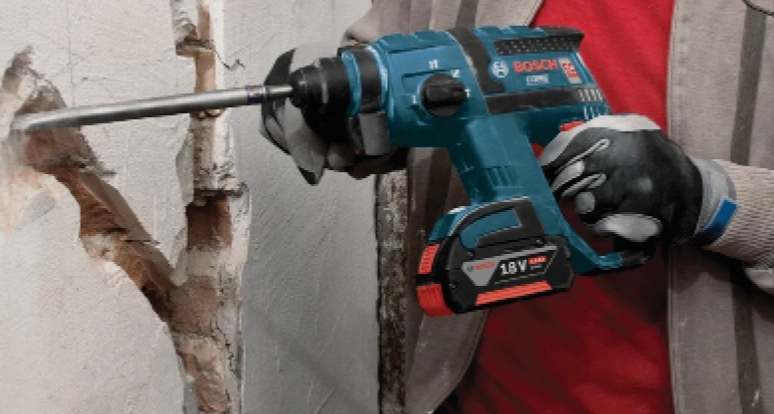
Before looking at the uses, it pays to understand how this device carries out its two-part job. A hammer drill does more than turn. It hits as well. Within it, a setup sends quick, brief hits of force as the bit keeps spinning without stop. Such a mix lets it break down thick stuff like concrete or brick. At the same time, it holds steady forward push. The hitting motion splits the tiny structure on the surface. The turning action then sweeps away bits of waste from the opening while you go. This setup feels straightforward, but it takes real engineering to make it reliable day after day.
The torque control setup manages the amount of turning power put on the bit. That control turns important when you change from soft wood to metal or stone work. Strong torque paired with slow speed boosts entry into hard stuff. On the other hand, less torque stops damage like stripping or getting too hot in careful work. In the same way, the impact rate, which counts hits each minute, decides how well power moves from the device to the base material. More hits per minute lead to quicker work. However, you need steady grip to keep things straight. Consider a crowded work area. That added quickness can complete a line of openings in less than half the usual time. Yet, a single mistake means fixing breaks afterward. Sites like that test your focus constantly.
Key Components That Define Performance
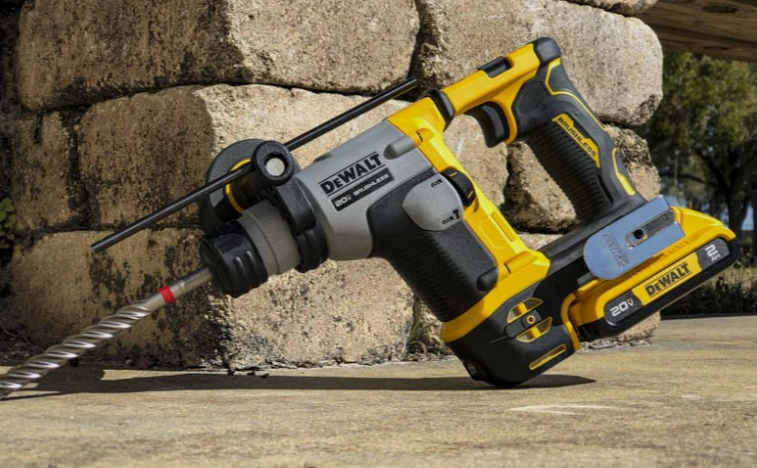
The work of any hammer drill relies on three basic parts: motor strength, gear setup, and chuck build. The motor supplies the main power. Its power in watts or amps shows how it copes with ongoing tough tasks. Brushless motors appear in many models today. They offer even turning and better lasting time with less need for fixes. From observing teams on tall building sites, these brushless types hold up over full seasons with few issues. They just keep going, which is a big plus when deadlines press.
Gear parts in the body change the torque level for various stuff. Two-speed gear boxes get picked a lot. They allow shifts from strong torque and slow speed to weak torque and fast speed. And you stay in charge the whole way. The chuck, which grips the drill bit, holds a main spot for steadiness. A well-made chuck cuts down on shaking in strong hit work. As a result, openings stay circular and even in thick concrete. Take drilling into a foot-thick slab, for example. A solid chuck avoids uneven forms that might let anchors slip over time. Details like that prevent headaches down the line.
Applications of Hammer Drills in Precision Construction Work
In today’s building efforts, where spaces must fit just right and stuff differs a lot, deciding when to turn on or off the hammer part matters a great deal. You could pick full-hit mode to make spots for anchors in concrete. Then, change to just turning mode for metal frames or shelf setups. The key lies in pairing the tool with the task to dodge expensive errors. Sometimes, forgetting that leads to redo work that eats into the budget.
Material-Specific Utilization
Concrete and stone work need managed hit power. Extra push can lead to splits near the opening sides or harm the overall strength. For metal areas such as iron beams or supports, changeable speed options aid in stopping excess heat. They permit slow entry over rough pushing. With wood or mixed boards, you usually shut off the hammer part completely. The hit power might tear wood threads and spoil the outer look. Imagine fitting racks in a home update. Skip turning off the hammer, and bits of wood fly all over the place. Cleanups like that waste precious time.
Situations Requiring High Accuracy and Control
Some tasks call for exact spot-on work. Anchor setups serve as a clear case. Every anchor opening has to hit the right depth for safe weight holding. In a like manner, setups for electrical pipes depend on steady size paths through strong slabs. That setup makes pipes sit tight with no spaces or off-center fits. Experts in fixing old buildings deal with yet another issue. They remove stuff bit by bit without messing up nearby parts. In this case, careful hit management counts over raw strength. On aged brick sides, say, you could make 50 openings daily. Each must land perfectly to hold the front steady. Miss one, and the whole look suffers.
Factors Influencing Precision in Hammer Drilling Operations
Exactness arises not just from strength. It comes from mixing speed choices, bit kind, and worker method. Tiny shifts in those elements can move the opening line by small measures across many tries. Those small bits build up during a whole day of work. Keeping an eye on them separates good results from sloppy ones.
Speed, Impact Energy, and Bit Selection
Fitting the bit kind to the base toughness aids good power flow. Carbide-tipped bits serve as the usual choice for stone work. They stand up to damage from steady hits. Changing the turn speed cuts down shakes that cause off-path work. Lower speeds tend to make straighter openings in deep cuts into solid rock or concrete pieces. Carbide-tipped bits help keep size sameness in repeated cut jobs where evenness counts. Suppose you place steel bars in a base. Choose the bad speed, and openings stray a whole inch after just 20 goes. Numbers like that show why practice makes perfect.
Vibration Control and Operator Technique
Handles that fight shakes now come standard in work-level drills. They lessen tiredness in long sessions and steady the tool spot under weight. A even pose, with feet apart like shoulders, plus steady push instead of hard force, boosts line exactness by a lot. Extra holds give more pull when up high or in odd spots. Keeping lines straight gets hard on the body there. Teams up on frames often rely on those holds. They change everything when positions feel off-kilter, almost like working from a swing.
Technological Advancements Enhancing Hammer Drill Precision
In the last few years, new tech has changed plain mechanical devices into smart setups. These adjust on their own using sense parts and number-based tune features. The progress feels neat. It seems the tool senses the challenge ahead. Who would have thought drills could get this clever back in the day?
Electronic Control Systems and Smart Feedback Mechanisms
Current hammer drills include sense electronics. They watch torque level right away to keep steady work through different stuff thicknesses. Brushless motors add to the even flow. They remove rub losses in old brush types. Plus, they need fewer fixes as time goes on. Depth stop tools mark another step forward. You see cut progress on a light screen. Thus, every opening hits the set depth with no guessing. For a group fitting air system pipes, that tool drops size mistakes from a quarter inch to almost nothing. Real savings in time and fixes.
Innovations in Bit Design and Material Engineering
Bit advances have grown with the drills. Strong carbide mixes take thousands of hits before losing edge. That fits them for repeat factory tasks. Twisted groove shapes boost waste clear-out speed. They pull dust from the cut side quicker. Such action not only cleans openings better but cuts heat that might bend exactness in long jobs. Cover methods like titanium nitride lower rub between bit and base. They lengthen use time and keep edges keen longer. In a plant space, these bits manage 500 openings per work turn without edge work. That saves hours and cash in the long haul. Industry folks talk about it all the time.
Best Practices for Maintaining Accuracy Over Time
The best gear can lose exactness without care. Steady care keeps the hammer drill at work level through its full run time. Ignore it, and shifts show up after some months in use. Simple habits go a long way here.
Routine Maintenance and Calibration Procedures
Check bearings, gears, and chucks often for damage like shakes or uneven turns. Those lead to line shifts if left alone. Oil moving sections by maker times. That holds machine work under steady heavy pulls common on big sites. Regular tune with torque checks keeps power in set bounds. Therefore, each cut opening stays the same over many jobs. A fast check each week stops stoppages. No one likes a breakdown right in the middle of pouring a floor. It throws everything off schedule.
Safe Handling and Operational Discipline in Professional Settings
Safety ties right into exactness. Tiredness from shake contact leads to unsteady holds as time passes. Put on right safety gear always. That includes hand covers for shake cut and eye shields from flying bits. Steady start steps avoid quick torque jumps. Those could mess up line at first touch with hard stuff. Most of all, stick to maker rules on bit fits and top weight limits. That guards worker well-being and tool trust over long runs. In a spot with 20 workers cutting together, such rules keep all safe and jobs moving. One lapse can ripple through the team.
FAQ
Q1: What makes a hammer drill different from a regular drill?
A: A hammer drill adds percussive force along with rotary motion, allowing it to break through dense materials like concrete more effectively than standard drills.
Q2: Can you use a hammer drill on wood?
A: Yes—but only with the hammer function turned off; otherwise it may splinter or damage softer materials such as wood or composites.
Q3: How do you maintain drilling accuracy over multiple holes?
A: Use sharp carbide-tipped bits, set consistent speed levels, check your chuck alignment frequently, and apply steady feed pressure rather than forcing the tool.
Q4: Why is vibration control important during operation?
A: Excessive vibration causes hand fatigue and misalignment; anti-vibration handles help maintain steadiness especially during prolonged use on hard surfaces.
Q5: What technological upgrades have improved modern hammer drills?
A: Newer models feature brushless motors for smoother operation, digital depth gauges for precise measurement, and smart sensors that automatically adjust torque output based on resistance changes.


