
What Makes a Sledgehammer Ideal for Precision Heavy-Duty Applications
The Design and Functionality of a Sledgehammer
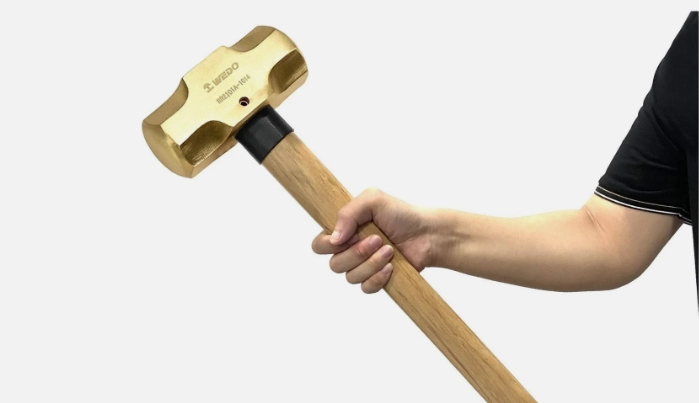
A sledgehammer is more than just a heavy hitting tool. Its design shows a smart mix of basic physics, body-friendly features, and smart material choices. When you swing it, every bit of its weight, the handle’s length, and even the grip’s feel all help it work well. Workers in building jobs, metal shops, or upkeep tasks count on these parts to get both strength and exact hits in tough spots. I’ve seen guys on construction sites swear by a good one—it makes the whole day easier, you know?
The Engineering Behind a Sledgehammer’s Structure
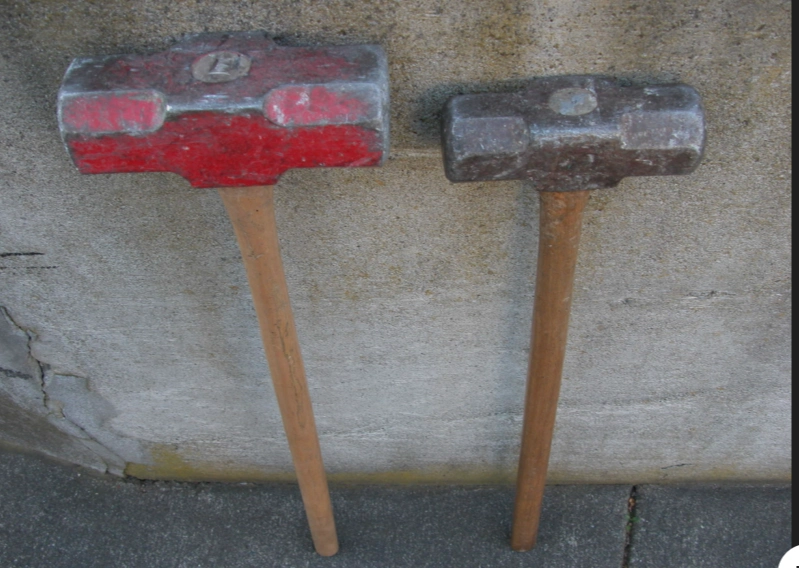
The build of a sledgehammer aims to mix weight, speed buildup, and grip for good power pass-on. The head’s makeup—usually tough steel—sets how long it lasts, how it takes hits, and how it fights bending. In tough work models, strong steel fronts get heated and cooled to stop breaks from lots of hard bangs.
The handle’s build matters just as much. Wood handles from hickory or ash give natural bump soaking but need steady checks to stop splits. Fiberglass handles beat out wood on shake cutting and stand up to weather better. Steel handles hold up super strong but pass on more shakes unless they have soft covers.
How Weight Distribution Affects Performance
Where the weight sits changes how a sledgehammer moves in your hands. A nicely set tool lets you hit steady without missing the spot or getting worn out fast. If the head weighs too much for the handle’s size or your hold spot, you tire quicker and hits get sloppy—think about big overhead swings or side hits.
Builders plan the head-to-handle mix with care. This way, your swing’s push turns into steady hit power instead of lost moves. For example, wrecking hammers often have heads weighted a bit forward. That helps punch through concrete with less bounce back. In one job I recall, a crew used this setup to smash a old wall without the tool flying away every time.
Evaluating Weight Options for Precision Heavy-Duty Applications
Picking the right weight comes down to the job at hand and how long you’ll swing it. Pros usually keep a few sledgehammers around. One weight seldom works for every task. It’s like having different bats for baseball—each fits a certain play.
Determining the Appropriate Head Weight for Specific Tasks
Big heads—often 10 to 20 pounds—fit wrecking jobs like busting stone walls or pounding posts into hard dirt. They build top push energy but call for good strength and right body stance.
Mid-size ones around 6 to 8 pounds mix strength with easy handling. Shops that shape metal or fix train tracks like them best. Here, steady hits count more than pure muscle.
Small ones under 4 pounds work when you want close control—like nudging metal shapes or tapping parts in place without scratches. A buddy in auto repair uses a light one for fine tweaks; it saves time and headaches.
The Relationship Between Force Output and User Efficiency
Hit power grows with head weight and swing speed. Bump one up without watching the other, and you lose steam or hurt your body over hours. Good workers change their swing beat to match the stuff they’re hitting—for instance, slow steady swings on thick steel against quick ones on crumbly concrete.
To keep steady work, you match your body’s moves with the tool’s ways: where you plant your feet, how you turn your shoulders, and your finish swing. All these shape how well your energy goes from you to the hammer’s head. Real pros get this down after a few seasons on the job.
The Role of Handle Length in Achieving Precision and Control
Handle size sets your reach and pull power but also changes how much say you have in the swing. The best pick fits your work space limits and your own style. Sometimes, in tight spots like under a sink, a short one feels like a lifesaver.
How Handle Length Influences Striking Accuracy
Bigger handles—usually 36 inches or longer—build more pull for strong swings. But they make soft hits hard in small areas. Shorter handles boost exactness. They cut the swing path and shake after bang.
The best handle size shifts with your height and how you stand. Tall folks might like a tad longer ones to keep a comfy pose for repeat jobs. I remember a tall welder who swapped to a longer handle and cut his back aches in half.
Materials Used in Handle Construction
Wooden Handles
Wood handles stay common. They bend a bit under push and soak up bumps well. Still, they need now-and-then sanding or oil rubs to block water that might soften the wood and cause breaks later.
Fiberglass Handles
Fiberglass gives great toughness with little upkeep. It fights splits in big heat or cold swings. Plus, it cuts shakes a lot—which helps big on long outdoor days.
Steel Handles
Steel handles almost never break. But they send more shakes to your hands. Makers add rubber wraps or plastic covers to make them nicer for long pulls. In rainy weather, that grip can prevent slips that lead to bad days.
Key Features That Enhance Precision in Heavy-Duty Sledgehammers
New sledgehammers add a few smart tweaks. These aim to boost hit accuracy, keep things safe, and cut tiredness in nonstop work. It’s the little things that add up over a shift.
Head Shape and Surface Design Considerations
The head’s shape changes how push spreads on varied stuff. Round fronts spread the hit even on bumpy rocks, cutting chip chances. Flat fronts aim power right where you need it—like for pushing in wedges or posts.
Some types have no-slide covers. These stop side slips on slick metals or hard mixes. It’s a tiny bit that ups safety a ton in work yards. Picture hitting a oily pipe; without it, you might glance off and hurt something nearby.
Vibration Reduction Technologies and Ergonomic Enhancements
Brands now put plastic bits inside handles or at head joins to cut shock pass to your arms in big hit work. Grips shaped with rough rubber hold tight even with wet or greasy gloves.
Even builds cut strain by putting the weight center near your hand line. So each swing feels steady, not tip-heavy. Old-timers spot this right away after a full day’s grind. One feature I like is how it feels less jarring after the tenth swing.
Application-Specific Insights for Professional Use Cases
Various fields need certain traits from sledgehammers. It depends on work setup, how often you use it, and how exact you must be. No one tool rules them all.
Industrial Construction and Demolition Workflows
For wrecking like cracking strong concrete floors or taking down brick setups, big sledgehammers give raw power well. Steady hits stop side damage near key beams. That’s vital near live pipes or setups. In a recent build teardown, careful swings saved the wiring underneath.
Metalworking, Forging, and Fabrication Environments
Metal shops use exact hammers to form hot stuff while keeping sizes the same over many bangs. Handle setup affects your beat. Too much shake throws off timing in strike chains. Uniform hits matter big for the metal’s strength. Forgers often pick ones that let them keep a smooth rhythm, like beating a drum.
Utility Maintenance and Infrastructure Operations
Fix-up teams count on tough sledgehammers for jobs like lining up tracks or fitting pipes in rough outdoor spots. Here, holding up under repeat push beats looks. Tool breaks mean lost time on deadlines. A crew I know swears by ones that last through mud and cold without a hitch.
Selecting the Right Sledgehammer for Expert-Level Tasks
Grabbing a top work tool means checking build strength past the looks. Think metal quality, how the head sticks to the handle, hardness levels, and fit with your swing style. It’s not just shiny—it’s about real use.
Criteria for Evaluating Tool Quality and Suitability
Look if the hammer passes safety checks for work tools. See if the handle link has any wobble. Even small looseness can cause bad hits on full swings.
Also, pair body fit with job length: light even hammers work for quick repeats, while heavy ones suit one-big-hit wrecking where top speed per bang counts. Pros check this before every big project.
Maintenance Practices to Preserve Performance Longevity
Regular looks keep the tool steady over years. Check for tiny cracks near head sides after heavy use. These can grow fast under push loops. Oil metal bits lightly for long storage to stop rust that might shift weight a bit but enough to feel off in swings.
Fixing worn holds brings back comfy feel while keeping the power-handle mix. It’s worth it if you want the same results every day. One tip from old hands: a quick wipe after each job goes a long way.
FAQ
Q1: What is the ideal weight range for a professional-grade sledgehammer?
A: For most industrial applications, weights between 6–12 pounds offer a good compromise between power delivery and user control depending on task intensity.
Q2: How often should a wooden-handled sledgehammer be maintained?
A: Light sanding followed by oiling every few months prevents moisture intrusion that could cause swelling or cracking over time.
Q3: Why do some professionals prefer fiberglass handles?
A: Fiberglass combines strength with low vibration transfer making it suitable for extended daily use without excessive fatigue buildup.
Q4: Can handle length affect safety during operation?
A: Yes; overly long handles reduce control accuracy especially in confined spaces increasing risk of unintended contact with nearby surfaces or personnel.
Q5: What signs indicate it’s time to replace a sledgehammer?
A: Visible cracks near the head joint loosened fittings rust pitting along impact zones or noticeable imbalance when swinging all suggest replacement before continued use becomes unsafe.


