What Makes an Air Hammer the Right Choice for Precision Metal Work
Understanding the Role of an Air Hammer in Precision Metal Work
Precision metalwork counts on good tools a great deal. The air hammer catches the eye with its strength and grip. In work shops for pros, people use it to shape, cut, and rivet. It gives a degree of exactness that hand tools struggle to beat. The main point is the way packed air changes into fast, guided hits. These help you work with metal without too much push or heat bends.
Take a busy garage, for instance. A mechanic might use an air hammer to fix a car fender. He taps lightly to shape it just so. No big dents left behind. That’s the tool’s real strength in daily tasks. It makes the job quicker and cleaner than old methods.
Defining the Air Hammer and Its Core Mechanism
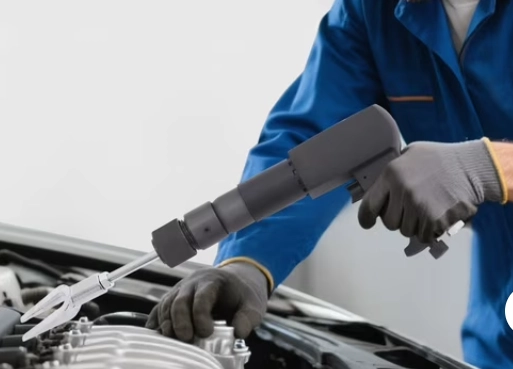
An air hammer runs by directing packed air through a valve setup. This setup moves a piston forward and back in a cylinder. Every push gives a hit to the bit that’s fixed on. The bit could be a chisel, punch, or rivet set. It makes blows over and over at a quick speed. The tie between stroke speed and hit power sets the exactness and fit for different materials.
A quicker stroke speed brings smoother outcomes for soft sheet metal jobs. Slower speeds with harder hits work better for big tasks. Think of cutting fat steel or yanking out tough rivets. In one factory, workers adjusted the speed for thin panels. They got even edges without cracks. It showed how the balance matters in real work.
Light-duty air hammers usually work at about 2,000–3,000 blows per minute (BPM). They suit trimming panels or small details well. Heavy-duty types can go past 4,000 BPM. Yet they give more push per blow. This fits them for factory making or car frame patches. A shop owner once said his heavy model handled rusty bolts like nothing. Saved the team hours each day.
Comparing Air Hammers to Other Metalworking Tools
When you look at an air hammer next to electric chisels or hydraulic tools, some clear differences come out. Electric chisels depend on motor parts. Those parts can get too hot with steady use. Hydraulic systems bring huge power. But they miss the easy moves for small shaping jobs. Pneumatic work gives more even hold. You can adjust packed air just right with regulators and trigger push.
In cases like fixing car bodies or shaping plane covers, an air hammer gives better outcomes. It mixes speed with touch sense well. You feel every hit in the handle. Then you change pressure fast. Electric tools hardly give that quick reply. During a plane repair once, the crew picked air hammers over electrics. They shaped the skin without extra heat spots. It made the finish look pro.
Technical Considerations That Influence Precision Performance
Precision does not come only from the tool’s make. It comes from how you handle the main settings for each hit. Two key things, air control and bit pick, play big parts in keeping exactness steady over time. Overlook them, and small jobs turn messy. But handle them right, and you get reliable results every shift.
The Importance of Air Pressure and Flow Regulation
The evenness of your air comes straight affects hit exactness and tool life. Pressure that changes causes bumpy pushes. Those can mark up faces or wear inside seals too early. For most sheet metal tasks, keeping 90 PSI is the usual way. Thicker items might need up to 120 PSI to go all the way through.
Regulators keep the flow steady from your compressor. Filters take out water that could rust parts inside. Lubricators put a thin oil coat into the air stream. This lessens rub between parts that shift. All these add-ons make up what pros name an FRL unit. Filter, regulator, lubricator. It holds the work level in long stretches. A mechanic in a small shop added an FRL last year. His tools lasted twice as long without fixes.
Without steady air, even a top compressor fails. I saw a case where dirty air clogged a valve. The whole line stopped for an hour. Clean flow prevents that hassle.
Bit Selection and Its Impact on Precision Results
Picking the correct bit sets how well power passes from tool to stuff. Chisel bits serve for cutting or opening seams. Rivet sets aim hits into small round shapes. Punch bits make tidy holes without twists. Special bits like planishing heads level faces after shaping steps.
Bit stuff counts a lot too. Hardened steel brings lasting power under big weights. Alloy blends give toughness against chips in repeated jobs. Check bits regularly. Worn sides bring shakes that cut exactness. They also risk harm to the work pieces. In a metal shop, a worn punch once bent a panel. New bit fixed it, but time was lost. Always inspect before big runs.
Bits wear at different rates. For light work, they last weeks. Heavy use might need swaps every few days. Track that to avoid surprises.
Applications Where an Air Hammer Excels in Metal Fabrication
In pro making spots, the ability to switch jobs sets the worth. The air hammer’s flexibility in shaping, cutting, and linking steps makes it a key item. It handles metals from aluminum sheets to steel beams. Sometimes, it’s the only tool that fits odd spots without fuss.
Sheet Metal Shaping and Forming Tasks
For guided shaping without bending thin stuff, use gentle hold methods. Tap the trigger lightly instead of keeping it pressed all the time. Planishing parts help smooth lines with soft hits over large areas. This way shows up often in custom car fixes or metal art builds.
Combine it with dies or anvils that fit certain shapes. Then the air hammer acts as an exact forming setup. It makes hard bends without heat pull or warps. A car builder used this on a hood curve. The result matched the drawing spot on. No rework needed, which saved materials.
Thin metal can be tricky. One wrong hit warps it. But with practice, the tool shines here.
Riveting, Cutting, and Separation Processes
Air hammers do great at taking out rivets without dirt. They gather power right where needed. Heat stays away from close spots. This matters a lot for thin plane covers or car sides. Cutting parts cut through weld points well. They keep side bends low.
Their small build fits tight areas too. Like wheel fixes or beam adds where big tools can’t get in easy. In an auto plant, workers reached inside a frame with one. They popped rivets without taking the whole thing apart. Cut the job time by half.
Heat spread is a real issue in tight work. This tool avoids it nicely.
Ergonomics, Control, and Operator Skill Factors
Even with smart parts inside, exactness rests on people handling it. Ease traits like even weight spread and shake cutters let workers keep attention longer in close tasks. The tool feels natural after a bit, like an old friend.
Balancing Power Output with Operator Comfort
Current builds add rubber holds and inside shake catchers. These take in back push shakes before they hit hands. It lessens tired feelings in long work times. At the same time, it keeps firm hold on each hit loop. Hold shape plays a part in steady hold too. A little bent holds line up wrist and tool line better for true hits under weight.
Weight to power mix is worth a look. Lighter types at 2–3 pounds fit fine work great. Heavier at about 5 pounds give more push. But they call for stronger hold ways. A worker in heavy fab prefers the light one for all-day use. Says it cuts hand ache by a lot.
Comfort adds up over shifts. Bad grip leads to slips, good one to steady work.
Mastering Technique for Consistent Precision Results
Trigger change is main. Learn to tap it short instead of steady push for soft jobs. Change the hit slant to stop digs on sides or pulls on metal faces. Good workers build touch sense with reps. They feel when stuff starts to give before you see bends.
Usual mistakes cover too much push or skipping bit oil. Both bring rough ends or early tool fade. In training, folks often press too hard first. But they learn quick with guidance. One tip: start slow on scrap metal to build the feel.
Integrating an Air Hammer into a Professional Workshop Setup
A strong air hammer needs good backup items just as much. Matching compressor size and keeping air flow clean brings steady work in hard projects. Setup right, and it runs smooth for years.
Selecting the Right Compressor System for Optimal Output
Every air hammer lists exact CFM (cubic feet per minute) needs from makers. Miss them, and work falls off. Even if PSI looks okay. Use special lines to stop air fights among many pneumatic tools in full shops.
Day-to-day care, like pouring out water from tanks and looking at hoses for drips, keeps air flow pure and even over time. A busy shop drains tanks daily. It stops rust and keeps pressure true. Once, a leak went unchecked. Air dropped, and tools sputtered. Quick check fixed it, but not before delay.
Compressors vary. A 5-gallon one works for small jobs. Bigger 20-gallon handles teams.
Safety Protocols and Best Practices in Precision Operations
Safety goes further than eye covers and hand guards. Handling shake contact matters just as much in long work periods. Pick anti-vibration gloves when you can to lessen pull on joints. Always cut the air line before swapping bits or changing regulators. This stops chance starts.
Often check holding springs and barrel covers. It spots breaks early before they hurt safety in repeated push rounds. Safety checks take minutes but save big trouble. In one incident, a loose spring flew off. No one hurt, thanks to checks.
Gloves aren’t just nice. They cut risks in shake-heavy work.
Evaluating Cost Efficiency and Long-Term Value in Professional Use
The starting cost looks fair against hydraulic setups. But lasting saves come from less stop time and small fix bills with proper watch. It builds value over months of use.
Assessing Tool Durability Versus Operational Demands
Each type has a duty cycle mark. It shows how long it runs straight before cool times. Go over, and wear speeds up on pistons and seals. Shops with lots of work gain from buying tough units. These have hard inside parts for full days past eight hours.
Match buy cost to work speed ups. It shows plain worth. Faster finish times cover high start costs in months of steady runs. A fab team figured it out. Their new hammers paid back in four months with quicker jobs.
Duty cycles differ. Light ones rest every 30 minutes. Heavy go longer but need care.
Maintenance Strategies That Extend Service Life
Oil times depend on how much you use it. Daily workers put pneumatic oil at least once per shift right into the air line spot. Change O-rings every three months if in dusty places. Sand speeds up wear there. Keep care notes to follow work trends over many units. This lets you spot slow downs early before breaks hit in the middle of a job.
Logs help a ton. One shop tracks oil use and wear. It predicts when to swap parts. Stretches tool life to years instead of months. Neglect it, and costs climb fast.
For dusty areas, clean bits extra. It keeps everything running true.
FAQ
Q1: What compressor size is best suited for an air hammer?
A: Choose a compressor rated at least 4–6 CFM at 90 PSI for light-duty models; heavy-duty versions may need up to 10 CFM depending on application intensity.
Q2: Can an air hammer damage thin sheet metal?
A: Yes, if operated at full pressure without modulation—it’s better to lower PSI slightly and use short trigger bursts when working with delicate materials.
Q3: How often should bits be replaced?
A: Replace bits once edges become rounded or chipped since worn tips transfer energy inefficiently and reduce precision quality over time.
Q4: Is lubrication really necessary every day?
A: Absolutely; neglecting lubrication increases friction inside cylinders leading to premature seal failure even under normal workloads.
Q5: What’s the main difference between an air chisel attachment and a standard chisel bit?
A: Air chisel attachments are designed specifically for continuous pneumatic strikes offering reinforced shanks that withstand repetitive high-frequency impacts better than manual chisels.


