What Makes Tek Screws Ideal for High-Strength Metal Fabrication
Tek Screws Explained: Point Types, Use Cases, and Material Limits
Tek screws play a key role in today’s metal work. They provide a quick and solid way to connect materials. You don’t need to drill holes first. For workers handling steel frames, air conditioning units, or wall panels, knowing how these self-drilling fasteners work can boost speed and build stronger setups. This piece looks at their basic design, point styles, how they match materials, and the tech details that make them so useful in tough building jobs.
Defining Tek Screws and Their Core Features
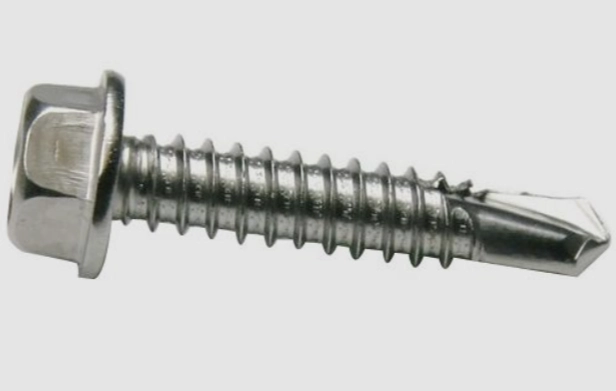
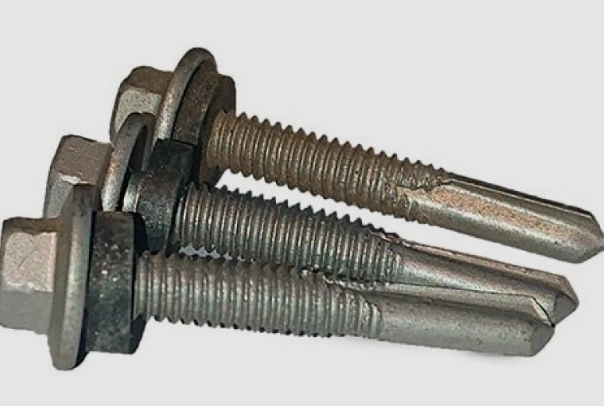
Tek screws are self-drilling fasteners made mainly for joining metal to metal. They mix a drill tip and threaded shaft into one unit. This lets you drill and cut threads in just one go. So, it skips the step of making holes ahead of time. This saves hours on the job and keeps things lined up right. Common materials include carbon steel for everyday tasks and stainless steel for spots needing rust protection. The stainless kinds show up a lot outside or near water because they stand up well to dampness.
The Engineering Behind Self-Drilling Capability
The way tek screws drill on their own comes from careful shaping at the tip. The slant of the cutting parts decides how well it bites into metal. A keen edge slices quicker, but it might wear out faster on tough stuff. The grooves right after the tip—called flutes—help push out bits of metal. This stops jams that could lead to too much heat or early breakdown. The screw’s toughness counts too. Higher levels on the hardness scale help it push through strong steel. But that can make it less bendy. Layers like zinc or ceramic cut down on rubbing and warmth while in use. They also make the screw last longer overall.
Types of Tek Screw Points and Their Applications
Tek screws have several tip styles. Each fits certain thicknesses of material and job needs. Picking the right one means easy drilling. It avoids messing up threads or snapping the end.
Classification of Tek Screw Point Types
Tip types run from #1 to #5. They depend on how much thickness they can handle. A #1 tip works for thin sheet metal up to 0.060 inches. A #5 tip tackles thick structural steel over 0.500 inches. Tips with bigger numbers have longer grooves. These pull out chips from deeper spots in heavy layers. The cutting shape changes too. Rougher edges go faster. But on soft metals like aluminum, they might leave bumpy holes.
Selecting the Appropriate Point Type for Metal Thickness
When you join steel sheets of different sizes or stack them up, match the tip to the thickness. This is very important. For instance, a #3 tip on 12-gauge steel cuts clean. It doesn’t push too hard. If the metal is tough or covered in zinc, the tip wears quicker. Pick screws with stronger ends or special layers to fix that. In setups like insulated wall systems, longer tips keep things straight through uneven layers. They hold tight without losing power. I’ve seen jobs where wrong tips led to extra stops for fixes—wastes time, you know.
Material Compatibility and Strength Considerations
Tek screws act differently in various metals. This is due to changes in toughness, bendiness, and how they handle heat. These factors affect not just how fast they drill. They also shape how the joint holds up to pressure over time.
Evaluating Tek Screw Performance in Different Metals
Regular steel gives steady outcomes. Its middle-level toughness lets it drill smooth and form strong threads. Zinc-coated steel needs care. The zinc can melt from the rubbing heat. So, use slower speeds to keep the cover intact. Aluminum drills fast because it’s soft. But if you twist too hard, threads can pull out. For stainless steel, you need tough tek screws with slippery layers. This stops sticking when parts rub under force—a problem that pops up often. Heat swelling varies between the screw and the base. If you ignore that in planning, joints might come loose later. In one shop I recall, they skipped this and had panels shifting after a hot summer.
Coatings and Surface Treatments for Longevity
Guard layers make screws last much longer in rough spots. Zinc covering gives simple rust block for inside work or light weather. Ruspert layers mix ceramic and metal films. They fight salt spray well—great for beach areas or factory roofs. Ceramic types reduce sliding friction when you drive them in. They cost a bit more. Still, they save on fixes down the road. You have to balance layer thickness with twist force. Too thick, and it fights back during setup.
Design Factors Influencing Fastening Efficiency
A few build parts decide how well tek screws grip under weight or shakes. Thread shape, head type, and twist method all matter a lot.
Thread Geometry and Load Distribution
Thread spacing sets how close it pulls stuff together per turn. Tight spacing fits thin sheets. Wide ones might tear them. Deeper threads boost hold against pulls. They grab more of the thin metal. When using electric tools at strong twists, stop when the washer sits flat. Don’t keep going until it bends—that’s a mistake that weakens spots.
Head Styles and Functional Adaptations
Hex Washer Head (HWH) Screws
These work best where you need big twist power. Think attaching beams or fixing brackets. The six-sided shape locks well into holders with magnets.
Pan Head or Button Head Screws
Pick these when looks count or space is tight. Their curved tops lie almost flat on panels. They still hold firm enough for most tasks.
Wafer Head Screws
The wide base spreads weight over thin sheets. Like on aluminum walls or air ducts. It stops dents from forming.
Installation Practices for Optimal Performance
Good setup ways directly change how neat and strong the joins look and act with tek screws.
Recommended Drilling Speeds and Tool Selection
Every screw size has a best spin speed based on metal toughness. Small ones might go at 2,000 to 2,500 turns per minute on light steel. Big ones need about 1,000 to avoid hot tips. Magnetic holders keep the screw straight. Drivers with twist limits stop you from pushing too far. That could snap heads on soft stuff. In practice, varying speeds by feel helps—I’ve adjusted on the fly for coated sheets to avoid smoke.
Torque Control and Fastener Seating Techniques
Steady twist makes joints solid for the long haul. Too weak, and shakes loosen them. Too strong, and it smashes washers or rips threads. Watch for bad signs like bumpy washer sits or bright marks near heads from slips.
Advantages of Using Tek Screws in High‑Strength Fabrication Environments
In factory lines where quick work meets exact needs, tek screws bring real perks. They go beyond just easy joining.
Efficiency Gains in Production Settings
They mix drilling and joining in one move. This cuts worker time a lot compared to old hole-making ways. It’s clear when you do hundreds of links per shift in metal shops or build plants. One-step work also cuts line-up mistakes from hand-drilled spots. That often happens in setup. Plus, in busy spots, it keeps the flow going without pauses for tool swaps.
Structural Reliability Under Stress Conditions
Put in right, tek screws keep working steady. Even with machine shakes or heat changes in outside builds like sun panel stands or gear boxes. Their even thread grip spreads weight well. Perfect for frame systems or heavy wall setups facing wind. Real-world tests show they hold up in storms better than some rivals, based on builder reports.
Emerging Developments in Tek Screw Technology
Makers keep improving metal mixes and shapes. They fit them for machine-run jobs where exact repeats are key.
Innovations in Material Science and Manufacturing Precision
New heat steps make tip ends stronger without snapping easy. That’s key for slicing hard steels in fresh build frames. Mixed metals now blend carbon cores with stainless skins. They give hard hits and rust fight that were tough to get before. These changes come from years of trial in labs, tweaking for everyday use.
Integration with Automated Assembly Systems
Auto trends bring tek screw types made for robot tools. These hold exact twists over thousands of runs daily. It boosts sameness and cuts worker tiredness plus slip-ups in big plants. Every moment adds to output numbers there. Imagine lines churning out car parts without a hitch— that’s the goal.
FAQ
Q1: What makes tek screws different from standard self-tapping screws?
A: Tek screws have a built-in drill tip. This skips pre-made holes. They cut right into metal and make threads at the same time.
Q2: How do I choose between carbon steel and stainless-steel tek screws?
A: Carbon steel fits inside builds well. It offers good strength for the price. Stainless types fight rust better outside or in wet spots.
Q3: Can tek screws be reused after removal?
A: Usually not. When you take them out, they lose some thread fit. This cuts hold power if you put them back in.
Q4: Why do some tek screw tips burn out quickly when drilling thicker metal?
A: High spins make heat build fast. Grooves can’t clear chips quick enough. Slow the speed to keep the tip sharp longer.
Q5: Are coated tek screws worth the extra cost?
A: Yes, if your work meets water or chemicals. Layers like Ruspert make them last way longer than bare ones.


