

Is SS 304 Stainless Steel Truly Superior to SS 204 in Corrosion Resistance
SS204 vs SS 304 Stainless Steel Detailed Comparison
SS 304 stainless steel and SS 204 are both austenitic grades, yet their chemical balance and corrosion behavior differ significantly. SS 304, with higher nickel content, provides superior corrosion resistance and stability in harsh environments, while SS 204 offers cost efficiency through partial nickel substitution with manganese. For critical applications exposed to chlorides or industrial pollutants, SS 304 remains the preferred choice despite its higher cost. In contrast, SS 204 suits decorative or low-corrosive uses where mechanical strength and affordability are key.
Understanding the Metallurgical Composition of SS 304 and SS 204
The metallurgical structure of stainless steel determines its performance in demanding environments. The interplay between alloying elements such as nickel, chromium, and manganese defines each grade’s stability, corrosion resistance, and mechanical properties.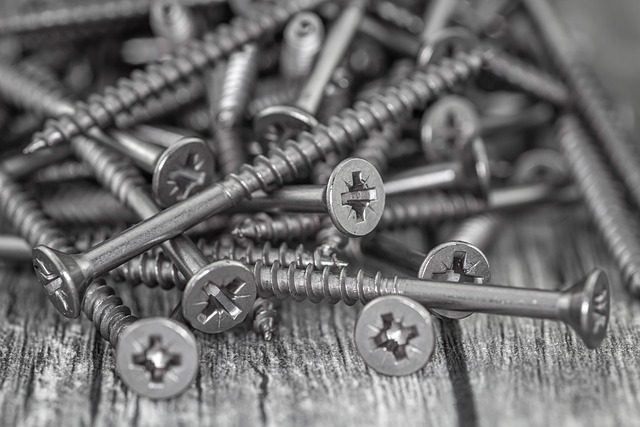
Chemical Composition and Alloying Elements
SS 304 contains about 8–10.5% nickel, which enhances its austenitic stability and gives it a non-magnetic character even after cold working. In contrast, SS 204 reduces nickel content to around 1–2%, substituting it with manganese up to approximately 7–9%. This adjustment lowers production costs but slightly compromises corrosion resistance. Both grades maintain chromium levels near 18%, forming a passive oxide film that protects against oxidation. The chromium-rich surface layer is vital for self-healing when minor damage occurs.
Influence of Alloying on Microstructure
Nickel in SS 304 stabilizes a fully austenitic microstructure that provides excellent toughness across a wide temperature range. It also minimizes delta ferrite formation during solidification. Manganese in SS 204 increases nitrogen solubility within the matrix, improving strength but making the alloy more prone to localized corrosion under tensile stress or chloride exposure. Microstructural variations also affect grain boundary stability; improper heat treatment can lead to sensitization where chromium carbides precipitate along boundaries.
Corrosion Resistance Mechanisms in Stainless Steels
Corrosion performance depends not only on composition but also on how effectively the passive film regenerates after mechanical or chemical disruption.
The Role of Passive Film Formation
Chromium oxide forms the primary protective barrier on both alloys’ surfaces. This thin film is self-repairing when exposed to oxygenated environments. Nickel in SS 304 enhances the uniformity and adherence of this layer, resulting in better protection against acids and chlorides. Reduced nickel in SS 204 can make passivation less stable when exposed to high chloride concentrations such as seawater or de-icing salts.
Types of Corrosion Relevant to Austenitic Stainless Steels
Austenitic steels face several localized corrosion forms that depend on environment and metallurgical condition.
Pitting Corrosion Behavior
Pitting begins when chloride ions breach weak spots in the passive film. Once initiated, pits propagate rapidly due to localized acidity inside them. The pitting resistance equivalent number (PREN) for SS 304 is higher than that of SS 204 because of its greater nickel content and more stable passive layer. This makes SS 304 more suitable for marine or salt-laden atmospheres.
Intergranular Corrosion Susceptibility
Intergranular attack results from chromium carbide precipitation at grain boundaries during exposure between roughly 450°C and 850°C. These carbides deplete chromium locally, weakening passivation along those zones. Lower nickel content in SS 204 can accelerate sensitization under improper heat treatment conditions compared with SS 304.
Comparative Performance Under Different Environmental Conditions
Environmental exposure plays a decisive role when choosing between these two grades for long-term service life.
Behavior in Marine and Chloride-Rich Environments
Marine atmospheres impose severe chloride stress that quickly reveals differences between alloys. High chloride concentration promotes pitting; therefore, SS 304 performs better because its passive layer resists chloride breakdown more effectively. To achieve comparable durability with SS 204, additional surface treatments such as electropolishing or protective coatings are often necessary.
Response to Industrial Atmospheres and Pollutants
Industrial settings introduce sulfur oxides, nitrogen compounds, and acidic vapors that can degrade stainless steels over time. Both alloys resist oxidation at moderate temperatures up to about 870°C; however, sulfur-bearing gases attack manganese-rich alloys like SS 204 more aggressively than nickel-rich ones like SS 304. In polluted or mildly acidic environments—such as those found near chemical plants—SS 304 retains structural integrity longer due to its balanced composition.
Mechanical and Thermal Considerations Affecting Corrosion Resistance
Mechanical stresses and thermal cycles alter microstructure and diffusion processes that directly influence corrosion behavior.
Impact of Stress and Temperature on Corrosive Behavior
At elevated temperatures above sensitization range, chromium diffusion accelerates toward carbide formation if stabilization is inadequate. Residual stresses from fabrication—especially bending or welding—can trigger stress corrosion cracking (SCC). SCC occurs more readily in lower-nickel alloys such as SS 204 under combined tensile stress and chloride presence.
Role of Surface Finish and Fabrication Techniques
Surface finish significantly influences corrosion initiation points. A smooth polished finish minimizes crevices where chlorides concentrate, improving performance for both grades but especially beneficial for lower-cost SS 204 installations. During welding operations, maintaining proper heat input prevents carbide precipitation along weld zones—a crucial factor since manganese-bearing steels like SS 204 are more sensitive to thermal imbalance than traditional ss 304 stainless steel.
Economic and Application-Based Evaluation of Both Grades
Material selection often balances technical requirements against financial constraints across industries like food processing, construction, or transportation.
Cost-to-Performance Analysis for Industrial Applications
SS 204’s reduced nickel content offers tangible cost savings compared with ss 304 stainless steel while maintaining acceptable mechanical strength for general use. However, this economy comes at the expense of long-term corrosion reliability under aggressive conditions. For critical applications involving continuous moisture contact—such as marine hardware or chemical process tanks—SS 304 remains preferable despite higher upfront costs because maintenance intervals are longer.
Practical Selection Guidelines for Engineers and Fabricators
Engineers typically specify ss 304 stainless steel where hygiene standards are stringent or where exposure to chlorides is unavoidable—for instance in food processing lines or coastal architecture. Conversely, ss 204 fits indoor decorative structures or transport interiors where humidity levels remain moderate and visual appearance outweighs extreme durability needs.
FAQ
Q1: What makes ss 304 stainless steel more corrosion resistant than ss 204?
A: Its higher nickel content stabilizes the passive film formed by chromium oxide, giving it stronger protection against chlorides and acids.
Q2: Can ss 204 replace ss 304 in marine applications?
A: Not ideally; ss 204 may corrode faster under saltwater exposure unless additional coatings are applied.
Q3: Which alloy has better weldability?
A: Both weld well using standard techniques, but ss 304 handles thermal cycles better without sensitization risk compared with manganese-rich ss 204.
Q4: How does temperature affect their performance?
A: Elevated temperatures increase carbide precipitation risk; ss 304 tolerates heat cycling better due to its balanced composition.
Q5: Why choose ss 204 if it corrodes faster?
A: Its lower cost makes it practical for decorative items or indoor structures where environmental exposure is limited.


