
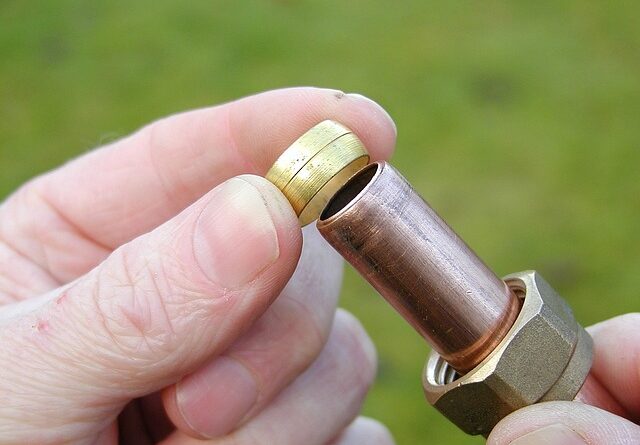
Is 1 1 2 Brass Nipple the Reliable Choice for High-Pressure Plumbing Applications
Reliable 1/2 x 1-1/2 Brass Nipple for Plumbing Projects
The 1 1/2 brass nipple remains a preferred connector in plumbing systems due to its balance of mechanical strength, corrosion resistance, and dimensional stability. It performs reliably under both high pressure and temperature variations, making it suitable for industrial and residential use alike. When compared with stainless steel or PVC alternatives, brass offers a practical middle ground between durability and cost-effectiveness. Proper installation practices—especially regarding thread sealing and maintenance—further extend its service life in demanding environments.
Understanding the Role of a 1 1/2 Brass Nipple in Plumbing Systems
A 1 1/2 brass nipple serves as a critical link between threaded pipe sections, ensuring continuity in hydraulic or pneumatic circuits. Its performance depends on both the alloy’s intrinsic properties and adherence to dimensional standards that govern thread compatibility.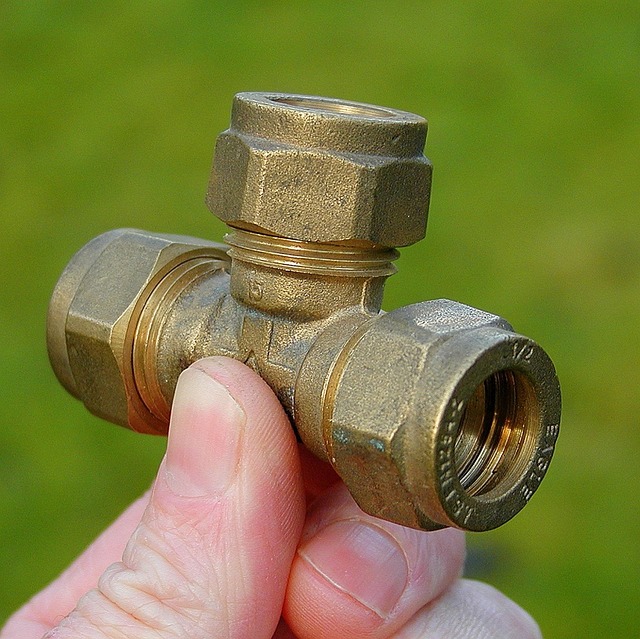
Material Composition and Mechanical Properties
Brass is typically an alloy of copper and zinc, offering a combination of strength, ductility, and corrosion resistance. The tensile strength of brass nipples supports high-pressure fluid transmission without deformation or cracking. These fittings perform well across temperature ranges because their thermal expansion characteristics align closely with those of copper piping. In hot water systems or chilled water loops, this compatibility prevents joint stress caused by differential expansion.
Dimensional Standards and Thread Compatibility
Manufacturers produce brass nipples according to National Pipe Thread (NPT) or British Standard Pipe (BSP) specifications to achieve secure fits across global markets. Thread precision is vital; even minor deviations can lead to leaks under fluctuating pressure conditions. Compatibility with other metallic components such as copper or steel, as well as non-metallic materials like PVC, enhances system versatility in mixed installations.
Evaluating Performance in High-Pressure Applications
In pressurized systems—such as compressed air networks or hydraulic circuits—the structural integrity of a 1 1/2 brass nipple determines long-term reliability. The component must resist both static pressure loads and dynamic stress from vibration or torque during assembly.
Pressure Ratings and Structural Integrity
Standard brass nipples can handle pressures up to several hundred PSI depending on wall thickness and manufacturing quality. A uniform internal bore reduces turbulence, maintaining consistent flow velocity while minimizing energy loss. During installation, resistance to thread deformation under torque ensures that sealing surfaces remain intact even after repeated tightening cycles.
Corrosion Resistance Under Varied Conditions
Brass resists dezincification when alloyed with low zinc content, preventing the porous structure that weakens fittings over time. In potable water systems, oil pipelines, gas lines, or steam circuits, this property preserves internal smoothness and flow efficiency. A thin oxide film naturally forms on the surface when exposed to oxygen; this passive layer protects against further corrosion without affecting conductivity or mechanical strength.
Comparing Brass Nipples with Alternative Materials
Material selection influences both cost efficiency and performance outcomes. While stainless steel offers superior tensile capacity, brass maintains its appeal through machinability and stable sealing behavior at moderate pressures.
Brass vs. Stainless Steel Nipples
Stainless steel nipples exhibit higher tensile strength but often exceed budget limits for standard plumbing projects. Brass is easier to machine precisely during threading operations and provides better conformity at joint interfaces due to its softer texture. Moreover, its higher thermal conductivity allows faster heat dissipation in systems exposed to temperature fluctuations—an advantage when maintaining stable operation in hot water supply lines.
Brass vs. PVC or CPVC Fittings
PVC couplings weigh less but cannot sustain high pressures or temperatures beyond typical domestic applications. In contrast, brass retains shape integrity where thermoplastics may soften under sustained heat exposure. When integrating brass with PVC components in hybrid assemblies, designers must consider galvanic potential between dissimilar materials; using dielectric unions can mitigate corrosion risks at these junctions.
Installation Considerations for Optimal Performance
Even the best material fails without proper installation practices. For threaded connections involving a 1 1/2 brass nipple, attention to sealing technique and torque control is crucial to avoid micro-leakage or premature wear.
Proper Sealing Techniques for Threaded Connections
Applying PTFE tape or anaerobic sealant fills microscopic gaps within threads to prevent leakage under pressure cycling. Over-tightening can distort threads or crack mating parts; therefore torque specifications recommended by manufacturers should be followed closely. Before assembly, cleaning threads removes debris that could compromise metal-to-metal contact essential for leak-free joints.
Maintenance and Inspection Practices
Routine inspection identifies early corrosion spots or worn threads before they escalate into failures. Re-torqueing after several heating-cooling cycles compensates for relaxation effects common in metal joints subjected to thermal expansion. Replacement intervals vary depending on media type—water versus oil—and environmental exposure such as humidity or chemical vapors.
Application Scenarios Highlighting Reliability Factors
The versatility of a 1 1/2 brass nipple extends across industrial facilities and residential networks where durability under pressure defines performance standards.
Industrial and Commercial Plumbing Systems
In factories using compressed air lines or hydraulic machinery, brass nipples withstand vibration from motors without loosening connections. They also serve effectively in boiler circuits where temperature gradients fluctuate rapidly yet demand consistent sealing integrity over years of service life.
Residential High-Demand Water Systems
For homes relying on constant water pressure across multiple outlets, brass nipples maintain flow consistency through main supply lines. Their ability to tolerate repeated heating cycles from water heaters prevents fatigue cracking—a common issue with lower-grade metals—and contributes to system longevity even under daily use conditions.
FAQ
Q1: What makes a 1 1/2 brass nipple preferable for mixed-material plumbing?
A: Its compatibility with both metallic and non-metallic pipes allows flexible integration while maintaining reliable thread engagement across different materials.
Q2: Can a brass nipple be used in steam applications?
A: Yes, provided the alloy composition includes low zinc content to resist dezincification under high-temperature steam exposure.
Q3: How should PTFE tape be applied on threaded ends?
A: Wrap it clockwise around male threads three to four times so it tightens naturally as the fitting is screwed into place.
Q4: What pressure range can typical brass nipples handle safely?
A: Most standard fittings perform within several hundred PSI depending on wall thickness; always verify manufacturer ratings before use in pressurized lines.
Q5: Are there maintenance steps specific to outdoor installations?
A: Periodic inspection for oxidation spots and reapplication of protective coatings help extend service life when fittings are exposed to moisture or pollutants outdoors.


