
What Makes Drawer Stops with Black Phosphate Coating More Durable
The Ins and Outs of Drawer Stops
Drawer stops are small yet critical components in furniture engineering. Their design determines how smoothly a drawer opens, how long it lasts, and whether it stays aligned over years of use. When paired with black phosphate coating, these parts gain superior resistance to corrosion and wear. The combination of mechanical precision and chemical treatment creates hardware that performs reliably in both residential and industrial environments.
Understanding Drawer Stops and Their Functional Role?
Drawer stops serve as the unseen regulators of motion within cabinetry systems. They balance mechanical movement, prevent overextension, and preserve the integrity of connected structures.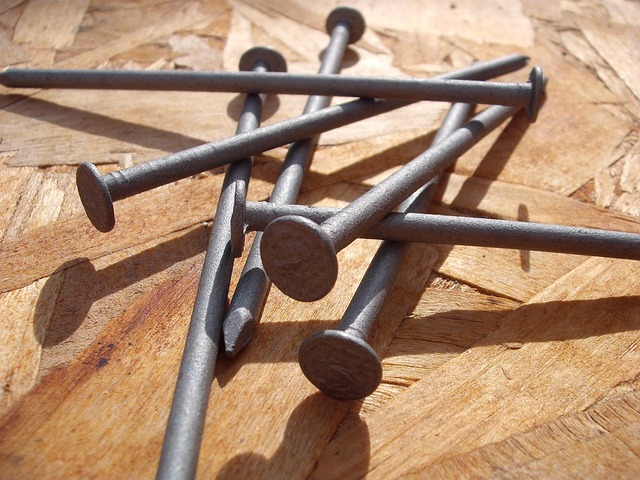
Structural Purpose of Drawer Stops in Furniture Design
Drawer stops regulate drawer extension and prevent accidental removal. They maintain alignment, ensuring smooth drawer movement over time. Properly engineered stops reduce wear on slides and cabinet frames by controlling stress distribution during operation. In large-scale manufacturing, even minor inconsistencies in stop positioning can lead to premature slide damage or misalignment across multiple units.
Materials Commonly Used for Drawer Stops
Metal, plastic, and rubber are standard materials depending on load requirements. Material selection affects vibration resistance and noise reduction. Each type offers distinct advantages in mechanical resilience and longevity. For example, metal stops are ideal for heavy-duty drawers in industrial workstations, while rubber variants are preferred where quiet operation is essential.
The Science Behind Black Phosphate Coating?
The black phosphate coating process transforms basic steel into a more durable substrate capable of withstanding environmental stressors. Its microcrystalline structure not only strengthens the surface but also improves adhesion for subsequent finishes.
Composition and Application Process of Black Phosphate Coating
The coating is formed through a chemical conversion process on steel surfaces. It involves immersing parts in a phosphoric acid solution containing metal ions. The resulting microcrystalline layer enhances surface hardness and adhesion properties. This process is widely used across automotive and hardware industries due to its cost efficiency and repeatable results.
Physical and Chemical Properties of Black Phosphate Layers
The coating provides a uniform matte finish that improves lubrication retention. It increases corrosion resistance by acting as a barrier to moisture and oxygen. Enhanced wear resistance results from the crystalline structure’s surface integrity. These characteristics make black phosphate particularly suitable for moving components like drawer stops that experience repetitive friction cycles.
Durability Enhancement Through Black Phosphate Coating?
When exposed to high humidity or mechanical load, untreated steel components degrade quickly. The addition of black phosphate coating provides a crucial line of defense against such deterioration.
Corrosion Resistance in High-Humidity or Industrial Environments
The phosphate layer protects steel components from oxidation and rust formation. When combined with oil or sealants, it forms a multi-layered defense system. This protection extends the service life of drawer stops used in heavy-duty settings such as factory storage systems or marine cabinetry where moisture exposure is constant.
Improved Wear Resistance Under Mechanical Stress
The coating minimizes friction between mating surfaces during drawer operation. Reduced metal-to-metal contact prevents galling or abrasion over extended use. Enhanced surface hardness supports consistent performance under repetitive motion cycles, which is essential for commercial-grade furniture subjected to thousands of open-close actions annually.
Comparative Analysis: Coated vs. Uncoated Drawer Stops?
A practical comparison between coated and uncoated drawer stops reveals measurable differences not only in performance but also in long-term maintenance economics.
Performance Differences in Longevity and Maintenance Requirements
Uncoated stops are more prone to corrosion, especially in humid conditions. Black phosphate-coated variants require less maintenance due to self-lubricating properties. Long-term dimensional stability is better preserved with coated components since they resist deformation caused by oxidation buildup or material fatigue.
Cost-Efficiency Over the Product Lifecycle
While initial costs are slightly higher, reduced replacement frequency offsets expenses. Lower maintenance intervals translate into operational efficiency for manufacturers and users alike. Enhanced durability contributes to overall sustainability in furniture production systems by reducing waste from discarded hardware parts.
Integration of Coated Drawer Stops in Modern Manufacturing Practices?
Modern production facilities treat black phosphate-coated drawer stops as part of an integrated quality system rather than isolated hardware elements.
Quality Control Measures During Production and Assembly
Consistent coating thickness ensures predictable mechanical performance. Surface preparation prior to coating is critical for adhesion quality and durability outcomes. Inspection protocols verify uniform coverage and absence of surface defects post-treatment using non-destructive testing methods standardized under ISO 9717 guidelines for phosphating processes.
Compatibility with Other Finishing Processes and Hardware Components
Black phosphate coatings can serve as base layers for additional finishes if required. They exhibit good compatibility with lubricants, paints, or powder coatings used in assembly lines. Integration with advanced slide mechanisms enhances functional reliability across furniture applications by maintaining consistent friction coefficients even after prolonged use.
FAQ
Q1: What is the main purpose of drawer stops?
A: They limit the extension of drawers to prevent full removal while maintaining smooth movement alignment within cabinetry systems.
Q2: Why is black phosphate coating preferred for metal hardware?
A: It provides enhanced corrosion resistance, improved wear durability, and better lubrication retention compared to uncoated steel surfaces.
Q3: Can black phosphate-coated drawer stops be painted afterward?
A: Yes, the matte texture allows excellent paint adhesion without additional priming steps commonly required on untreated metal surfaces.
Q4: How long does black phosphate protection typically last?
A: With proper sealing or oiling, the protective layer can last several years even under industrial humidity levels exceeding 80%.
Q5: Are there environmental concerns with using black phosphate coatings?
A: Modern formulations comply with international environmental standards such as ISO 14001 by minimizing heavy-metal content during processing stages.


