
How Does 304 Stainless Steel Pipe Enhance 1/4″ NPT 45-Degree Elbow Fitting Performance
1/4″ NPT 45-Degree Elbow Fitting
The 1/4″ NPT 45-degree elbow fitting made from 304 stainless steel combines corrosion resistance, mechanical strength, and precise geometry to deliver stable performance in industrial piping systems. Its austenitic structure supports complex shaping and welding, while the chromium-nickel alloy composition resists oxidation even in aggressive environments. The 45-degree design minimizes turbulence, ensuring smooth flow transitions. For installations where reliability under pressure and chemical exposure is critical—such as food processing, marine systems, or chemical transport—this fitting offers a long service life with minimal maintenance.
Material Characteristics of 304 Stainless Steel and Their Relevance to Fitting Applications
In pipe fittings, material selection directly affects safety, efficiency, and service longevity. The properties of 304 stainless steel make it a standard choice for precision fittings used in demanding sectors.
Chemical Composition and Metallurgical Properties
304 stainless steel contains approximately 18% chromium and 8% nickel. This combination produces a passive oxide layer that resists corrosion from water, steam, and many chemicals. Its austenitic microstructure allows excellent formability and weldability, ideal for creating elbows with tight radius bends or thin walls without cracking. When annealed, the material becomes non-magnetic, which is valuable for applications involving sensors or magnetic-sensitive equipment.
Mechanical Strength and Durability Under Pressure
The tensile strength of 304 stainless steel typically exceeds 515 MPa. Such strength enables fittings to sustain internal pressure without permanent deformation. Dimensional stability at threaded joints prevents leaks even after repeated assembly cycles. Additionally, its fatigue resistance allows it to handle vibration or pulsating flow conditions common in hydraulic or pneumatic systems.
The Functional Role of the 1/4″ NPT 45-Degree Elbow Fitting
The elbow fitting’s geometry and thread design play crucial roles in maintaining flow efficiency while providing secure mechanical connections between pipes.
Design Geometry and Flow Optimization
A 45-degree elbow provides a smoother directional change than a 90-degree elbow. This geometry reduces turbulence and energy loss within the line. The internal surface finish of stainless steel further promotes laminar flow by minimizing frictional resistance. In compact installations such as instrumentation panels or skid-mounted units, its small turning radius saves space without compromising performance.
Threaded Connection Integrity
National Pipe Taper (NPT) threads are designed with a taper angle that tightens progressively under torque. This mechanical interference creates a reliable seal when combined with proper thread sealant or PTFE tape. Because NPT is standardized across industries, these fittings integrate easily into existing piping networks without custom machining. Proper engagement depth distributes stress evenly along the threads, reducing risk of cracking at the joint interface.
How 304 Stainless Steel Enhances Elbow Fitting Performance
When paired with standard pipe materials of similar composition, the use of 304 stainless steel ensures both structural compatibility and chemical resilience over extended service periods.
Corrosion Resistance in Various Operating Environments
Chromium within the alloy forms a self-healing oxide film that protects against oxidation and pitting corrosion. This makes it suitable for water treatment plants, steam lines, mild chemical circuits, and sanitary installations where hygiene standards are strict. The smooth surface resists biofilm accumulation, cutting cleaning frequency while maintaining consistent flow quality over time.
Thermal Stability and Temperature Resistance
304 stainless steel retains mechanical integrity across temperatures ranging from cryogenic levels up to about 870 °C in intermittent service. It resists warping during thermal cycling—an advantage when pipelines experience rapid temperature shifts such as during sterilization or steam purging operations. The material’s stability ensures that threaded seals remain tight even after repeated heating and cooling cycles.
Structural Synergy Between Pipe and Fitting Materials
When both pipe and fitting share the same alloy grade, they expand uniformly during temperature changes. This uniform expansion prevents differential stress that could otherwise loosen joints or distort alignment in long runs of tubing.
Uniform Material Expansion Behavior
Matching coefficients of thermal expansion between pipe and fitting maintain sealing integrity under fluctuating temperatures typical in industrial environments like refineries or food plants.
Enhanced Weldability and Joint Strength
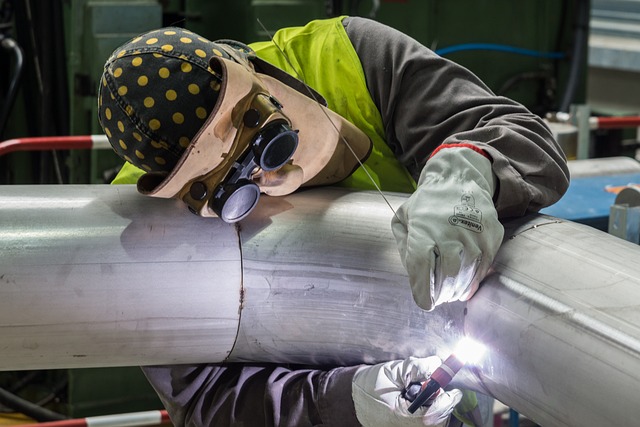
Because both components have similar metallurgical compositions, welding produces homogeneous joints with high tensile strength. TIG welding techniques are often used for sanitary applications where smooth internal welds prevent fluid entrapment.
Applications Where 304 Stainless Steel Pipe with 1/4″ NPT 45-Degree Elbow Fittings Excels
Across industries requiring clean fluid transfer or resistance to harsh conditions, this fitting type demonstrates consistent performance advantages.
Industrial Fluid Transport Systems
Chemical process lines frequently use these elbows to connect instrumentation tubing where corrosion-resistant pathways are essential. In pneumatic or hydraulic circuits operating at pressures above several hundred psi, the combination of tapered threads and robust material structure minimizes leakage risk while maintaining steady pressure delivery.
Food, Beverage, and Pharmaceutical Installations
The non-reactive surface of 304 stainless steel meets sanitary standards set by organizations such as ISO 22000 for hygienic processing equipment. Its ease of cleaning supports clean-in-place (CIP) procedures common in dairies or breweries. Smooth weld seams reduce contamination potential in pharmaceutical-grade fluid systems where sterility is mandatory.
Marine and Outdoor Piping Networks
Saltwater exposure accelerates corrosion on carbon steels but has minimal effect on properly passivated stainless surfaces. For shipboard fuel lines or dockside hydraulic controls exposed to spray environments, these elbows provide years of service without significant degradation or galling on threads during maintenance disassembly.
Engineering Considerations for Optimal Performance Integration
Proper installation practices determine whether theoretical material advantages translate into real-world reliability over years of operation.
Proper Assembly Techniques for NPT Connections
Before threading components together, technicians apply compatible sealants formulated for stainless steel to prevent galling—a common issue due to metal-to-metal friction under high torque conditions.
Thread Sealing Practices
Using PTFE tape wrapped clockwise around male threads ensures airtight sealing while allowing future disassembly without damaging mating surfaces.
Torque Control During Installation
Applying torque within manufacturer-specified limits avoids overstressing threads yet achieves sufficient compression for leak-tight joints. Over-tightening can distort thread profiles leading to premature failure during pressure testing.
Inspection and Maintenance Protocols
Routine inspection maintains system reliability by identifying early signs of wear before they escalate into operational issues.
Periodic Visual Assessment
Operators should check fittings periodically for surface discoloration indicating heat exposure or pitting suggesting localized corrosion attack near weld zones or thread roots.
Pressure Testing Procedures
After installation or repair work, hydrostatic tests at specified pressures confirm joint integrity before returning systems to service. Pneumatic tests may follow when water introduction is undesirable such as in gas distribution networks using dry air systems.
FAQ
Q1: What distinguishes a 45-degree elbow from a 90-degree one?
A: A 45-degree elbow provides a gentler directional change that reduces turbulence compared with sharper turns made by a 90-degree elbow.
Q2: Why is 304 stainless steel preferred over carbon steel for fittings?
A: It offers superior corrosion resistance and maintains mechanical stability across wide temperature ranges without rusting or scaling.
Q3: Can PTFE tape be used on all NPT threaded connections?
A: Yes, PTFE tape suits most applications but should be applied carefully to avoid excess buildup that could distort thread engagement depth.
Q4: How often should stainless fittings be inspected?
A: Visual inspections every six months are typical in industrial settings; frequency may increase under corrosive conditions like marine environments.
Q5: Are these fittings suitable for high-pressure hydraulic systems?
A: Yes; their tensile strength above 500 MPa supports sustained pressures commonly found in medium- to high-pressure hydraulic applications when installed correctly.


