
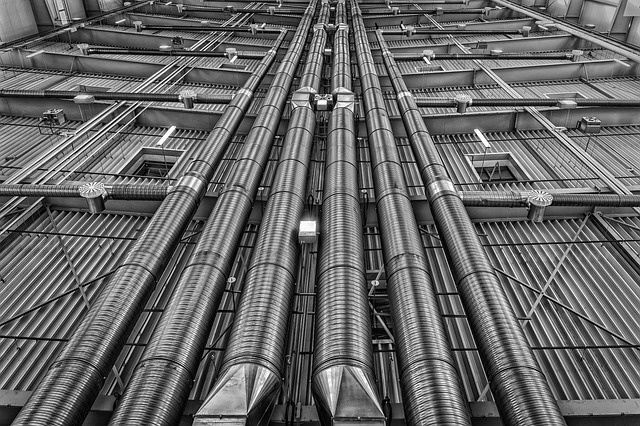
What Makes Black Metal Pipe Ideal for Industrial Black Iron Pipe Valve Switch Applications
Industrial Black Iron Pipe Valve Switch
Industrial systems rely heavily on the performance and reliability of black metal pipe assemblies paired with valve switch mechanisms. The combination offers a balance of strength, corrosion resistance, and affordability that suits high-pressure and high-temperature operations. When properly selected and installed, these components maintain consistent flow control and structural integrity across diverse industrial environments.
Characteristics of Black Metal Pipe in Industrial Applications
In industrial settings, black metal pipe serves as a critical conduit for transporting fluids under pressure. Its characteristics make it a preferred material for systems demanding both mechanical endurance and chemical stability.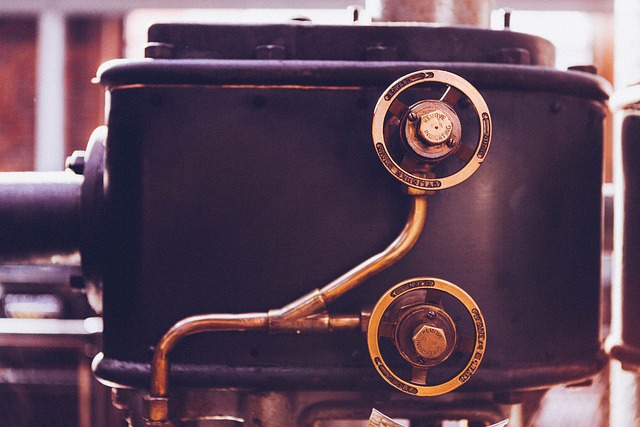
Composition and Material Properties
Black metal pipe is typically made from mild steel with a protective black oxide coating. This surface treatment prevents corrosion during storage and installation while maintaining the pipe’s metallic toughness. The oxide layer also provides a subtle sheen that identifies it from galvanized or stainless alternatives. Its composition offers durability and resistance to wear under high-pressure systems, making it suitable for refineries, manufacturing plants, and mechanical rooms where environmental conditions can fluctuate.
Mechanical Strength and Performance
The mechanical properties of black metal pipe are central to its industrial use. It exhibits high tensile strength suitable for industrial valve systems, allowing it to withstand internal pressure fluctuations without deformation. Under thermal cycling conditions—common in steam or hot water networks—the pipe maintains structural integrity without fatigue cracking or leakage. This resilience ensures consistent operation even when exposed to rapid temperature shifts or vibration from connected machinery.
Compatibility with Black Iron Pipe Valve Switch Systems
Compatibility between black metal pipes and valve switches determines the efficiency of fluid transport networks. Proper threading, sealing, and flow regulation are crucial to achieving leak-free connections in complex installations.
Connection Standards and Threading Compatibility
Standardized threading ensures secure connections with valve switches across multiple system configurations. Black iron pipes are compatible with NPT (National Pipe Thread) fittings used in industrial setups. These tapered threads provide tight seals when combined with thread sealants such as PTFE tape or joint compounds. The universal threading standard simplifies maintenance procedures by allowing quick disassembly or replacement of valves without reworking the entire pipeline.
Pressure and Flow Regulation Efficiency
A smooth inner surface supports consistent fluid flow through valves by reducing frictional resistance. This design minimizes turbulence that could affect valve performance or calibration accuracy. Whether transporting gas or liquid media, black metal pipes maintain stable pressure gradients across long distances, enabling precise control within automated valve switch systems used in process plants or HVAC infrastructure.
Advantages of Using Black Metal Pipe for Valve Switch Applications
Beyond its compatibility features, black metal pipe offers several operational advantages that contribute to cost savings and system longevity across industries.
Corrosion Resistance in Industrial Environments
The black oxide layer delays oxidation when exposed to moisture or chemicals present in industrial airspaces. As a result, these pipes perform reliably in environments such as refineries, plants, and mechanical rooms where humidity levels vary. Compared to galvanized options requiring additional coatings, black metal pipes need minimal external protection while maintaining their anti-corrosive barrier during service life.
Cost Efficiency and Longevity
Cost efficiency remains one of the strongest reasons industries choose black metal pipe over stainless steel alternatives. It delivers comparable strength at a lower price point while offering extended service life that reduces replacement frequency over time. This combination makes it an economical solution for large-scale piping networks where durability cannot be compromised but budget constraints exist.
Design Considerations for Optimal Integration
Designing an effective piping network involves more than selecting materials; it requires careful planning around dimensions, pressure ratings, and assembly methods to achieve seamless integration with valve switch systems.
Selecting the Appropriate Diameter and Wall Thickness
Proper sizing ensures compatibility with valve switch specifications while maintaining desired flow rates. Thicker walls handle higher pressures common in industrial operations such as compressed air lines or hydraulic circuits. Engineers often balance weight, cost, and performance requirements by selecting wall thicknesses that meet both safety codes (e.g., ASME B36 standards) and operational needs.
Installation Best Practices for Industrial Piping Systems
Installation quality directly affects long-term reliability of piping assemblies.
Thread Sealing Techniques
Using pipe dope or PTFE tape enhances leak prevention at threaded joints by filling microscopic gaps between male and female threads.
Alignment and Torque Control
Proper alignment minimizes stress on valve switches during operation; excessive torque can distort threads or damage seals leading to premature failure.
Inspection and Testing Procedures
Hydrostatic testing verifies pressure integrity before commissioning by subjecting the assembled pipeline to controlled water pressure higher than its operating limit—ensuring safety compliance prior to use.
Safety, Maintenance, and Operational Reliability
Maintaining safe operation requires proactive inspection routines supported by monitoring technologies integrated into modern control systems.
Routine Inspection Protocols for Black Metal Piping Networks
Regular checks detect early signs of corrosion or fatigue near valve interfaces where stress concentrations occur most frequently. Scheduled maintenance—such as cleaning internal deposits or reapplying protective coatings—prevents unplanned downtime that could disrupt production schedules in continuous process industries like petrochemicals or power generation.
Ensuring System Integrity Under Variable Conditions
Monitoring temperature and pressure variations helps maintain safe operating limits throughout the system’s lifecycle. Integration with automated valve switches supports real-time control adjustments based on sensor data feedback loops—improving responsiveness while reducing human error during critical operations like emergency shutdowns or load balancing events.
Emerging Trends in Industrial Pipe Materials and Valve Technologies
Technological innovation continues to reshape how traditional materials like black steel interact with digital control frameworks within smart factories.
Advances in Coating Technologies for Black Metal Pipes
New epoxy or ceramic coatings enhance resistance against aggressive media such as acids or hydrocarbons found in chemical processing plants. Hybrid coatings combining polymeric layers with ceramic particles extend lifespan under extreme temperature conditions exceeding 400°C without compromising mechanical flexibility—a feature increasingly adopted under ISO 12944 corrosion protection standards.
Integration with Smart Valve Switch Systems
Digital monitoring allows predictive maintenance based on real-time sensor analytics rather than fixed schedules. Smart valve switches equipped with IoT modules communicate flow rate deviations instantly to central control units, enabling operators to adjust parameters remotely through SCADA platforms. This integration enhances overall system efficiency through adaptive flow control mechanisms that respond dynamically to process demands rather than static presets—a shift aligning industrial pipelines with Industry 4.0 objectives focused on automation and data-driven optimization.
FAQ
Q1: What distinguishes black metal pipe from galvanized steel?
A: Black metal pipe lacks the zinc coating found on galvanized steel; instead it has a black oxide layer providing moderate corrosion resistance without altering weldability or thermal conductivity.
Q2: Can black iron pipes be used for potable water systems?
A: They are generally not recommended for potable water due to potential rust formation; copper or PEX alternatives meet sanitary standards more effectively.
Q3: How often should hydrostatic testing be performed on existing pipelines?
A: Typically every five years depending on regulatory codes such as ASME B31 but frequency may increase if operating under cyclic loads or corrosive conditions.
Q4: Are smart valve switches compatible with older piping networks?
A: Yes, most modern smart valves include retrofit kits allowing integration into legacy threaded connections provided they conform to NPT standards.
Q5: What is the maximum temperature tolerance for standard black metal pipes?
A: Depending on grade (commonly ASTM A53 Type S), typical tolerance ranges up to about 400°C before structural degradation occurs though specialized coatings can extend this limit further.


