
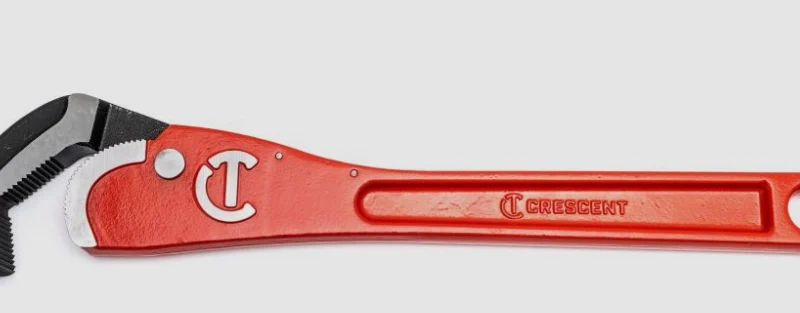
What Makes an Adjustable Pipe Wrench Essential for Precision Work
Understanding the Functionality of an Adjustable Pipe Wrench
An adjustable pipe wrench is more than a basic gripping tool. It acts as a simple machine that turns twisting force into solid holding power. In factory jobs or repair tasks, workers use it to grab round items like pipes or fittings. A fixed jaw tool would not work well on these because it cannot change size. The main benefit comes from its quick way to alter jaw gap. This lets one tool deal with many pipe sizes without losing power transfer. I remember once fixing a leaky sink at home, and this tool saved me from hunting for different sizes. It just adjusted in seconds.
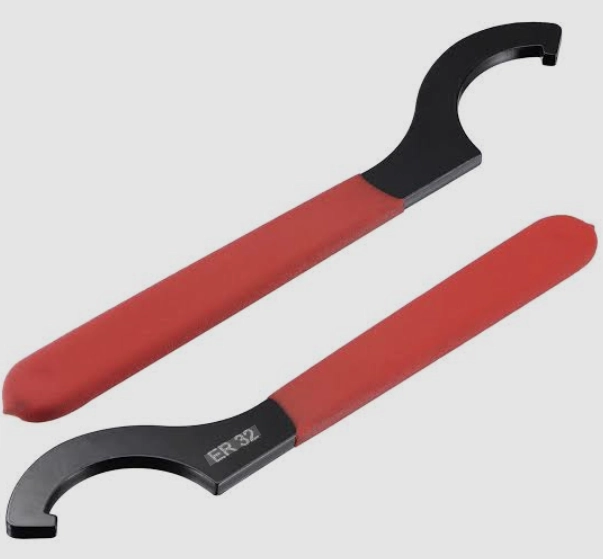
The Mechanical Design and Adjustment Mechanism
The heart of the adjustable pipe wrench is its sliding upper jaw. This jaw moves along a threaded rod. When you turn the rough nut or screw, the jaw shifts nearer or farther from the steady lower jaw. This setup changes a bit of turning motion into exact straight movement. So, you can adjust the hold width for various pipes. The teeth on both jaws slant in a way that helps them dig in deeper when you twist in the right direction. This stops any sliding.
Another key part is how it spreads out the twisting force. The wrench’s build sends the push from the handle through the jaw’s hinge point. It spreads the squeeze evenly over the touching spots. This even spread gives a good hold and cuts down on damage to softer stuff like copper or aluminum tubes. In my garage workshop, I’ve used it on old brass fittings, and it never bent them out of shape.
Materials matter a lot in how it’s made. Most top-quality adjustable pipe wrenches come from strong steel mixed with other metals. The teeth get hardened to fight wear. Some newer kinds have light aluminum handles. These cut down on tiredness for the user but keep the same strength. A well-heated body holds up against big twists. It keeps the jaws lined up straight for many years of work. Think about plumbers on big jobs; they rely on this durability daily.
Differentiating Adjustable Pipe Wrenches from Fixed or Straight Models
Before picking between an adjustable and a fixed type, it’s good to see how their parts work differently. A fixed or straight wrench has jaws locked at one angle and distance. It gives steady contact but cannot change for different sizes. On the other hand, an adjustable pipe wrench lets you vary the jaw openings with its nut and thread system. This makes it fit for a range of pipe sizes in just one tool group.
The handle shapes vary too. Straight wrenches have stiff builds perfect for wide-open areas. Some adjustable ones have heads set at an angle. This helps reach spots blocked by other things. The way the jaws touch the pipe affects how steady the hold is and how well the twist works. Adjustable models offer more options here. You can move the jaws a little to fit odd shapes. But honestly, in some cases, fixed ones feel clunkier if pipes vary even a bit.
Still, fixed wrenches do better in tough or repeat jobs with the same pipe sizes. They keep perfect lineup and need no changes between turns. In plant setups where time counts more than flexibility, this steady way can save minutes on each step. For example, in an auto shop assembling engines, sticking to fixed tools speeds things up.
The Role of Adjustability in Precision Work
Exact tasks need careful handling, not just raw power. That’s where the ability to adjust steps in as vital. When working with touchy materials or tight spots, tweaking the hold strength can avoid mess-ups or expensive fixes. I’ve seen pros avoid cracking a plastic pipe just by dialing it back a notch.
Fine-Tuning Grip Pressure for Sensitive Materials
When handling pipes from brass or plastic mixes, too much squeeze can warp threads or smash sides. Adjustable pipe wrenches let you set a small gap before starting the twist. This keeps the touch solid but not harmful. It stops marks on the surface while sending enough turn force to free stuck parts without harm.
To set it right, do a few light turns. Tighten until you feel pushback, then loosen a tad before full pulls. With practice, skilled workers sense the best tightness based on how hard the material is and its width. It’s like learning to ride a bike; it comes with time.
The pattern of teeth on the jaws affects how exact it is too. Smaller teeth spread the weight better on soft spots. Bigger teeth give a firmer grab on tough steel pipes. In delicate jobs, like fixing old home water lines, the fine ones prevent scratches every time.
Enhancing Efficiency in Confined or Irregular Spaces
In cramped setups, such as heating systems tucked behind walls, adjustable wrenches stand out. Their moving jaws allow fast shifts without swapping tools. Smaller types with short handles slip into gaps between close pipes. Yet they still create enough pull through smart shapes.
Some builds have heads tilted for side entry when space above is short. Grips shaped for the hand with rough covers cut down on ache during many tighten jobs. They boost steady hold and ease. Picture a mechanic under a car dashboard; these tools make the job less of a wrestle.
Applications Across Industrial and Technical Fields
Adjustable pipe wrenches show up in all sorts from home pipe fixes to huge factory plants. Their all-around use and dependability make them common. They handle everything from small leaks to big line repairs.
Plumbing and Pipeline Maintenance
In pipe work, these wrenches manage putting together and taking apart screw joints well. You can line up connectors just right by changing jaw size until it fits perfect. Then add the twist. They also work with different covers, from rust-proof steel to plastic PVC, without needing a tool switch in the middle.
Pro repair sets often mix them with band wrenches or T-shaped handles for special parts where keeping the surface safe counts most. On a typical day job, say installing a new bathroom sink, this combo gets it done in under an hour.
Mechanical, HVAC, and Process Engineering Contexts
In machine builds that need changes while setting up, like matching spinning shafts or valve boxes, the adjustable pipe wrench gives flexible holding in shifting setups. It’s just as handy in heating and cooling systems. There, tight spaces call for quick moves between links of varied widths.
It pairs well with today’s metals like stainless steel. This holds up in harsh spots common in chemical flow lines. Workers in oil refineries swear by them for not rusting after wet shifts.
Evaluating Performance Parameters for Expert Use
For skilled folks checking tool worth, it’s not about the name on it. It’s about real measures of how well it works and lasts. Look at numbers like hold strength or wear over time.
Key Metrics for Assessing Wrench Quality
The jaw lineup must stay close. Any off-center pull causes uneven weight and early damage to the tool and the item. Smooth threads for adjusting show good making. This means no rough stops when tweaking small bits.
Handle length ties right to the twist power you get. Longer ones boost pull but need more room to swing. Shorter ones give up some force for easy moves in small areas. A 12-inch handle might suit home use, while 18-inch ones fit shop work.
Coatings on the surface, like nickel layer or dust paint, fight rust a lot. This helps in wet places such as cellars or sea platforms. After a rainy job, these stay clean longer.
Maintenance Practices to Sustain Precision Over Time
Checking often keeps the jaw gaps true. Do this by looking at thread looseness now and then. Use measure tools or thin strips if you have them on site.
Add a drop of light oil to the threads to stop sticking from dirt buildup. This happens a lot after working on old rusty parts.
Checkups should cover tooth wear. Worn-down tips mean less grab, so sharpen or swap before slips happen under weight. In busy shops, doing this weekly prevents downtime. It’s a small step that pays off big.
Selecting the Appropriate Adjustable Pipe Wrench for Specific Tasks
Picking the right size gear counts as much as your skill when aiming for pro results. Match it to the job, and you’ll work smoother.
Matching Tool Specifications to Application Requirements
Choose wrench size by the pipe widths you’ll meet. Most cover about twice their listed size. Think about material toughness too, since hard ones need tougher teeth.
Handle comfort affects safety. Even weight spread cuts wrist hurt. Non-slip covers help grip even with greasy hands. For long days, this makes a difference.
For work rules, see if the maker’s limits match standards like ASME B107. This checks it holds up under set weights, key in fields like oil upkeep.
Innovations Driving Modern Adjustable Pipe Wrench Design
Tool changes keep coming fast. New ways in metal work and computer plans remake old designs that seemed set long ago. These updates make jobs easier without big overhauls.
Advances in Material Science and Manufacturing Techniques
Shaped strong steels now give better strength for the weight. This allows thinner but sturdier bodies than old heavy iron types. Mixed handles soak up shakes better. They make work comfier on long site days.
Computer tests let builders check stress on jaw shapes. They tweak tooth tilts so the hold works better without extra push from you. You notice this after many turns in a row. It’s like the tool gets smarter with use.
Emerging Trends Toward Smart Tools and Enhanced Ergonomics
New test models add electric twist readers. They show live info to help apply even force on many parts. This shines in checked setups where records count.
Flexible builds cut slips by auto-shifting hold based on weight changes. They use spring hinges for this, not just wires. It lowers fix needs and boosts trust outside.
Green ways push new ideas too. Parts you can swap extend life. Reusable metals cut trash. This fits wider care goals in fields today. In eco-focused plants, these tools align with rules and save costs over time.
FAQ
Q1: What makes an adjustable pipe wrench different from other types?
A: It features movable jaws operated by a threaded nut allowing variable openings suitable for multiple pipe sizes unlike fixed wrenches limited to one dimension range.
Q2: How do you prevent damaging soft pipes when using one?
A: Adjust just enough pressure for secure grip then ease slightly before applying full torque avoiding excess compression that could deform thin-walled materials like copper tubing.
Q3: What maintenance keeps performance consistent?
A: Clean threads regularly lubricate lightly inspect teeth alignment frequently replacing worn parts early preserves smooth operation over years of use.
Q4: Are aluminum-handled models weaker than steel ones?
A: No modern aluminum versions maintain comparable strength through reinforced alloys yet weigh less improving maneuverability during overhead tasks without compromising durability.
Q5: Why are smart adjustable wrenches gaining popularity?
A: They provide digital torque feedback enhancing consistency across installations plus data tracking useful for maintenance audits especially within regulated technical environments.


