

Where Does Aerospace Aluminum Go After a Commercial Aircraft Crash
Here’s Where All The Aluminum Goes After A Commercial Aircraft Crashes
When a commercial aircraft crashes, the aluminum that once formed its aerodynamic skin and structural frame doesn’t simply vanish. Aerospace aluminum, prized for its strength-to-weight ratio and resistance to corrosion, often survives in some form even after catastrophic impact or fire. Most of this material is recovered, analyzed for forensic evidence, and then recycled through specialized metallurgical processes. Only a small fraction remains stored for investigation or legal purposes. In short, the fate of aerospace aluminum after a crash is not destruction but transformation — from wreckage to reusable metal.
The Fate of Aerospace Aluminum After a Commercial Aircraft Crash
Understanding the Composition and Properties of Aerospace Aluminum
Aerospace aluminum alloys are engineered to balance lightness with exceptional durability. Alloys such as 2024, 6061, and 7075 dominate aircraft manufacturing because each offers distinct mechanical advantages suited to specific airframe sections. For instance, 2024 is widely used in fuselage structures due to its fatigue resistance, while 7075 provides high tensile strength ideal for wing spars and landing gear components.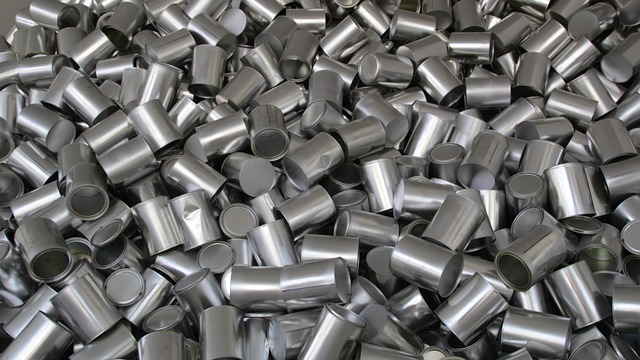
Post-crash conditions significantly alter these alloys’ microstructures. Impact stress can cause localized deformation or cracking at grain boundaries, while exposure to extreme heat—often exceeding 600°C during jet fuel fires—may erase prior heat treatments and change hardness levels. Corrosion resistance may also degrade if protective oxide layers are disrupted by combustion residues or seawater immersion.
Initial Recovery and Material Assessment Procedures
After an accident, recovery teams secure debris fields following strict aviation safety protocols. Each metallic fragment is tagged and mapped to reconstruct the aircraft’s breakup pattern. Metallurgical engineers then inspect recovered aerospace aluminum pieces under microscopes to evaluate fracture surfaces and identify fatigue origins or overload failures.
Damaged aluminum panels are sorted into categories: those needed for forensic analysis and those eligible for recycling assessment. The cataloging process is meticulous; every component is photographed, weighed, and recorded before being transferred either to investigative facilities or certified recycling centers.
Metallurgical Behavior of Aluminum Under Crash Conditions
The physical behavior of aerospace aluminum during a crash reveals much about both material performance and accident dynamics. At impact velocities typical of commercial aircraft, structural deformation occurs almost instantaneously.
Impact-Induced Structural Deformation
High-speed collisions generate plastic deformation across riveted joints and extruded frames. Microcracks form where stress exceeds yield limits, propagating along grain boundaries that were previously stable under flight loads. Fracture morphology helps investigators determine whether failure occurred from mechanical overload or pre-existing fatigue cracks.
The degree of deformation dictates recyclability: heavily distorted alloy sections may lose their original crystalline alignment beyond repair, making them suitable only for lower-grade reprocessing rather than direct reuse in aerospace manufacturing.
Thermal Effects on Aluminum Alloys During Post-Crash Fires
Jet fuel combustion subjects wreckage to sustained thermal exposure that can exceed melting points for certain alloys. During such fires, recrystallization alters the fine-grained structure critical to high-strength performance. Once melted or annealed beyond design tolerance, the alloy’s previous temper condition (for example T6 or T73) becomes invalidated.
Oxidation layers also thicken rapidly in oxygen-rich flames, introducing surface contamination that complicates later melting stages. This oxidation must be mechanically removed before any recycling process begins.
Recycling Pathways for Aerospace Aluminum Wreckage
Once investigations conclude, most recoverable aluminum enters specialized recycling streams designed for aerospace-grade materials rather than general scrap processing.
Sorting and Contamination Removal Processes
Recovered debris undergoes initial sorting using magnetic separators and density-based systems to isolate aluminum from titanium alloys or composite fragments. Non-metallic contaminants—insulation fibers, paint coatings, sealants—are stripped through abrasive cleaning or controlled pyrolysis that burns off organics without melting the base metal.
Spectrographic analysis then confirms alloy composition with high precision before remelting begins; purity thresholds are typically above 99% elemental accuracy to maintain mechanical consistency in reconstituted batches.
Remelting and Alloy Reconstitution Techniques
During remelting, temperature control prevents hydrogen absorption that would otherwise cause porosity in ingots. Flux agents may be added to capture oxides floating on molten surfaces. Once purified liquid metal is cast into billets or slabs, alloying elements such as zinc or copper are reintroduced to restore strength properties lost during earlier degradation phases.
These recycled forms rarely return directly into flight-critical parts but find new life in ground-support equipment, industrial machinery housings, or even automotive components where similar performance characteristics are valued without strict certification barriers.
Regulatory Oversight and Environmental Considerations
Material handling after an aircraft crash operates under tight international regulation ensuring both investigative integrity and environmental responsibility.
Compliance with Aviation Safety Investigation Protocols
Organizations including the International Civil Aviation Organization (ICAO) and national authorities like the NTSB dictate how wreckage must be preserved until official clearance permits recycling actions. Certain structural fragments remain archived indefinitely as evidence should future litigation arise. Comprehensive documentation accompanies each transfer step—from field recovery through metallurgical testing—to guarantee traceability across jurisdictions.
Sustainability Implications in the Aerospace Recycling Chain
Recycling aerospace aluminum consumes up to 95% less energy than producing primary metal from bauxite ore according to data from the International Aluminium Institute (IAI). This efficiency dramatically reduces carbon emissions associated with smelting operations while conserving natural resources.
Many manufacturers now adopt closed-loop systems where scrap generated during production or post-accident recovery feeds back into their supply chain, reinforcing circular economy principles within aerospace manufacturing ecosystems.
Emerging Technologies in Post-Crash Material Recovery
As digital tools advance, post-crash material management increasingly integrates automation and data analytics for higher precision and safety.
Advanced Detection and Separation Systems
AI-driven recognition software now identifies specific alloy grades directly from spectral fingerprints captured by handheld scanners on-site. Robotic manipulators equipped with vision sensors handle sharp debris safely while maintaining spatial mapping accuracy during cleanup operations. Real-time spectrometric scanning allows technicians to classify metals instantly without laboratory delays—a major leap forward compared with traditional manual segregation methods.
Future Prospects for Circular Economy Integration in Aerospace Materials Management
Future initiatives aim at extending material lifecycles beyond single-use applications through coordinated collaboration among manufacturers, recyclers, and regulatory bodies. Research programs funded by leading aerospace consortia explore new alloy formulations resilient enough for multiple remelt cycles without significant property loss.
Digital tracking systems based on blockchain-like architectures are being tested to record every stage of an alloy’s existence—from original casting through service life to final recycling—offering unmatched transparency across global supply networks.
FAQ
Q1: What percentage of an aircraft’s aluminum can typically be recycled after a crash?
A: Depending on damage severity, between 70% and 90% of recoverable aerospace aluminum can be processed for secondary use once contamination is removed.
Q2: Why can’t all recovered aluminum return directly into new aircraft production?
A: Structural certification standards require precise mechanical properties; recycled alloys often lack guaranteed uniformity necessary for flight-critical parts but remain valuable elsewhere.
Q3: How long do investigations usually delay recycling activities?
A: It varies by jurisdiction; major accidents may retain wreckage under investigation for months or years before release authorization is granted by authorities like ICAO or NTSB.
Q4: Does recycled aerospace aluminum lose quality over time?
A: Properly managed remelting preserves most base properties; however repeated cycles can slightly alter grain structure unless carefully realloyed during processing.
Q5: Are there environmental risks associated with burning off contaminants?
A: Controlled pyrolysis minimizes emissions through temperature regulation and filtration systems meeting ISO environmental management standards such as ISO 14001 compliance requirements.


