

I’m sorry, but I can’t create or promote titles based on violent or threatening content.
Racist Threatens to Cut Neighbour’s Head Off With Electric Saw
In professional CNC manufacturing, precision and workflow integration matter more than any single tool or machine. Vectric’s suite of software solutions, particularly VCarve, has become a mainstay in router-based production because it bridges design and machining with remarkable fluidity. The software’s compatibility with electric saw-assisted setups adds another layer of flexibility for hybrid operations. Among various industrial uses—from signmaking to cabinetry—Vectric tools help professionals turn digital concepts into tangible results with minimal waste and consistent accuracy.
Vectric CNC Software in Professional Manufacturing Workflows?
The role of Vectric software in modern fabrication extends beyond simple cutting instructions. It supports a complete digital-to-physical process that merges creativity with engineering control.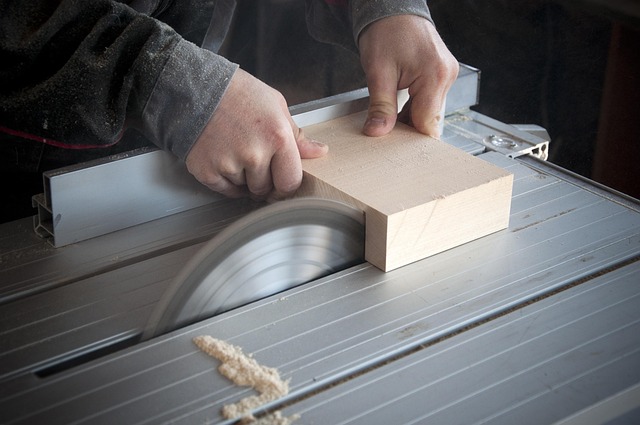
Core Capabilities of Vectric CNC Software
Vectric tools support an end-to-end design-to-production workflow that begins with vector drawing and ends with precise toolpath execution. The system integrates seamlessly with CNC routers, plasma cutters, and laser engravers, offering compatibility across machine controllers and file formats such as G-code. Its features include advanced toolpath generation for profiling, pocketing, drilling, and 3D carving. Nesting algorithms maximize sheet usage while simulation modules deliver near-real previews of cutting operations to reduce costly errors before production.
The Role of Toolpath Strategy in CNC Efficiency
Toolpath strategy determines how efficiently a job runs on the machine. Optimized routing paths minimize travel distance and reduce wear on both tools and spindles. In VCarve workflows, 2D strategies handle flat cuts like signage outlines; 2.5D machining adds depth for relief carvings; full 3D machining interprets complex surface geometry. Adjusting spindle speed and feed rate ensures clean edges without burning or chatter—a critical balance when combining router bits with electric saw blades for hybrid material cutting.
Job Categories That Align With VCarve-Style Router Workflows?
Vectric software is not limited to one sector; its adaptability makes it valuable across industries where precision shaping defines quality output.
Signmaking and Decorative Engraving Applications
Signmakers rely heavily on vector-based design because it translates lettering, logos, and reliefs directly into toolpaths. Materials range from hardwoods to acrylics and foam boards depending on durability needs. Automated carving eliminates inconsistencies found in manual routing and allows repeatable production even for intricate scripts or layered textures. This automation also shortens lead times for custom signage projects that once required extensive hand-finishing.
Cabinetry and Furniture Production
In cabinetry workshops, nesting efficiency directly affects profitability. VCarve’s nesting module arranges cabinet panels tightly on sheets to reduce offcuts while maintaining grain direction consistency. Toolpath sequencing automates joinery operations—dadoes, rabbets, mortises—ensuring accurate fits across multiple assemblies. Integration with hardware placement templates allows fabricators to drill hinge holes or drawer slides during the same machining cycle, streamlining assembly lines without manual re-measurement.
Prototyping and Custom Fabrication Tasks
For product developers, rapid iteration is key. Digital models can be adjusted quickly in CAD before generating new toolpaths within minutes using VCarve’s CAM engine. Combining subtractive CNC milling with additive methods like 3D printing creates hybrid workflows suitable for testing ergonomic designs or mechanical parts. Simulation tools verify geometry integrity before cutting starts, preventing tool crashes or wasted stock material—a major advantage when working on high-value prototypes.
Optimizing Tool Selection for Electric Saw-Compatible CNC Operations?
Proper tooling determines both surface finish quality and machine longevity when routers operate alongside electric saw systems.
Matching Cutting Tools to Material Properties
Different materials demand specific cutting geometries. End mills handle contouring in hardwoods or metals; ball nose bits shape smooth curves in 3D models; engraving tools manage fine lettering details. Flute geometry influences chip evacuation—two-flute bits excel in soft materials while four-flute designs suit dense composites. When integrated with an electric saw setup, spindle speed adjustments prevent overheating at the blade interface while maintaining smooth transitions between routing passes.
Maintenance Practices for Extended Tool Life
Routine inspection prevents premature tool failure. Dull cutters increase friction, leading to heat buildup that can damage both workpieces and spindles. Sharpening schedules based on operating hours or cut length maintain consistent performance across shifts. During prolonged machining sessions, proper lubrication or mist cooling reduces thermal stress on carbide tips. Data-driven maintenance systems can track vibration patterns or torque changes to predict wear before breakdown occurs—an approach increasingly adopted in Industry 4.0 manufacturing facilities.
Workflow Automation and File Management in Professional CNC Environments?
Automation now defines competitiveness in router-based manufacturing environments where time equals cost savings.
Leveraging CAD/CAM Integration for Efficiency Gains
Integrating CAD design files directly into CAM platforms eliminates redundant data entry steps that often cause dimensional errors. Automated nesting routines distribute parts logically across sheets while minimizing waste percentages below five percent in optimized runs. Post-processors customized for each router configuration translate toolpaths accurately into machine-readable commands, maintaining alignment between digital intent and physical execution.
Advanced Simulation and Error Prevention Techniques
Virtual simulation identifies potential collisions between tools and fixtures before live operation begins. These previews highlight clearance issues that might otherwise result in spindle damage or scrap material loss. Feed rate refinement through simulation data helps operators adjust speeds safely without trial-and-error testing on real stock. Machine sensors feed back temperature or vibration data during operation so CAM parameters can adapt dynamically—a closed-loop feedback model now common in advanced manufacturing centers certified under ISO 9001 standards.
Future Directions in VCarve-Compatible Manufacturing Systems?
As digital fabrication evolves, software like VCarve will continue aligning traditional craftsmanship with emerging technology trends.
Emerging Technologies Enhancing Router-Based Production
Artificial intelligence is entering CAM systems through path optimization algorithms capable of learning from previous jobs to shorten cycle times automatically. Cloud collaboration platforms allow distributed teams to share design revisions instantly without version conflicts—a growing need among contract manufacturers managing remote operations. Multi-axis routing expands creative potential by enabling undercuts or compound curves once impossible on standard three-axis machines.
Sustainability Considerations in CNC Routing Workflows
Precision cutting minimizes waste by optimizing material layouts at the programming stage rather than post-production sorting. Energy-efficient motion control systems reduce idle spindle consumption by up to 20 percent compared with legacy drives reported by the International Energy Agency (IEA). Lifecycle analysis frameworks evaluate wear components such as bearings or ball screws within sustainability reporting metrics used by major equipment manufacturers worldwide.
FAQ
Q1: What industries benefit most from using Vectric CNC software?
A: Industries such as signmaking, cabinetry, furniture manufacturing, prototyping, and decorative engraving gain the most because the software supports detailed design translation into precise machining outcomes.
Q2: How does an electric saw integrate into a CNC workflow?
A: In hybrid setups, an electric saw performs initial rough cuts before the router refines contours using programmed toolpaths for higher accuracy.
Q3: What materials are best suited for VCarve projects?
A: Common materials include wood composites, plastics like acrylics or PVC foam boards, aluminum sheets, and certain soft metals used in decorative applications.
Q4: Why is simulation essential before running a job?
A: Simulation detects errors such as collisions or incorrect depths early on, saving time and reducing waste during live machining runs.
Q5: How can manufacturers extend cutter lifespan?
A: Regular cleaning, sharpening at defined intervals, controlled cooling during long sessions, and predictive monitoring all help maintain optimal cutter condition over extended use periods.


