
How to Set a Boat Anchor in 3 Simple Steps for Precision and Safety
How to Set a Boat Anchor in 3 Simple Steps
Setting a boat anchor correctly determines whether a vessel stays safely in place or drifts into danger. The process involves more than dropping metal into water; it requires judgment, timing, and mechanical understanding. The correct anchor type, location, and scope ratio all influence holding strength. Professionals know that anchoring is both art and science—balancing hydrodynamics, seabed composition, and vessel weight. This guide explains how to set a boat anchor in three structured steps, from choosing the right spot to verifying stability, ensuring safety for both crew and craft.
Understanding the Fundamentals of Boat Anchoring
Before any practical step begins, it’s essential to grasp why anchoring precision matters. A boat anchor’s performance depends on technique as much as hardware choice. Misjudging conditions or seabed can compromise the entire operation.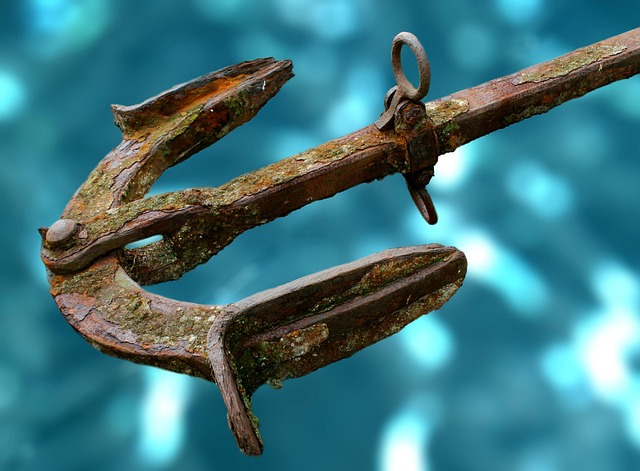
The Importance of Proper Anchoring Technique
Secure anchoring keeps the vessel stable even when wind or current shifts unexpectedly. Poorly executed anchoring might cause drifting that damages hulls or nearby boats. For activities like diving or overnight mooring, exact placement prevents accidents and equipment loss. Professionals often treat anchoring as part of seamanship fundamentals—testing not only mechanical skill but also environmental awareness.
Types of Boat Anchors and Their Applications
Different anchors serve specific seabed types. Fluke anchors hold best in sand or mud where their blades dig deeply. Plow anchors perform well across mixed bottoms due to their self-resetting design, while mushroom anchors suit permanent moorings on soft beds. Material choice also affects performance; galvanized steel offers durability against corrosion, whereas aluminum models trade weight for convenience. Selecting the right anchor means matching size and material to both vessel displacement and expected conditions.
Step 1: Selecting the Right Location for Anchoring
Choosing where to drop a boat anchor requires more than spotting an open patch of water. Environmental variables—wind direction, depth variation, and seabed texture—all dictate success.
Evaluating Environmental and Seabed Conditions
Before lowering any gear, assess wind direction relative to current flow. A headwind may shift after sunset or tide change, so anticipate repositioning forces. Depth readings from sonar help determine how much rode is needed later. Sand provides excellent grip for most designs; rock bottoms demand specialized grapnels or plows. Avoid zones marked with underwater cables or coral reefs since snagging can cause ecological harm or equipment loss.
Calculating Scope and Swing Radius
Scope ratio defines how much line is paid out relative to depth—commonly between five-to-one and seven-to-one for reliable holding power. Shorter scopes risk dragging under strain; longer ones increase swing radius, which must be checked against nearby vessels or shorelines. Tidal range adjustments are critical because rising water deepens scope requirements instantly. Professionals often visualize swing circles using onboard GPS mapping before committing to drop point.
Step 2: Deploying the Anchor with Control and Accuracy
Once a suitable site is identified, deployment becomes a test of coordination between deck handling and helm control.
Setting Up the Anchor Line and Chain Configuration
Combining chain with rope balances strength with flexibility. Chain keeps pull angles low at the seabed while rope absorbs shock loads from waves. Inspect shackles and swivels for rust pits or loose pins—small failures here can undo hours of careful planning. Windlass systems should feed line smoothly without twists; friction burns on synthetic rope indicate poor alignment through rollers or cleats.
Lowering the Anchor Methodically
Drop speed matters: letting an anchor free-fall risks fouling flukes or tangling chain links mid-descent. Instead, lower gradually until contact with bottom is felt through tension feedback on the rode. As the boat drifts back naturally—or by gentle reverse thrust—the anchor digs deeper into substrate layers. Experienced operators read subtle vibrations through line tension as confirmation that flukes have set properly rather than skimming along surface sediment.
Step 3: Securing and Testing Anchor Holding Power
After deployment, verification ensures that theory matches reality under live conditions.
Verifying Anchor Set Stability
Apply reverse propulsion at low revolutions per minute while monitoring both engine load and visual bearings ashore. Any gradual movement across fixed landmarks suggests slippage requiring reset attempts at new angles or positions. Electronic chart plotters now log drift traces automatically; comparing them over several minutes confirms true holding integrity before leaving station unattended.
Maintaining Safety During Anchored Operations
Conditions rarely stay constant overnight. Weather fronts can shift wind direction by ninety degrees within minutes, altering strain vectors on gear components. Setting an anchor alarm on navigation electronics gives early warning if drag exceeds preset distance thresholds. Regular checks on rode tension prevent chafe damage near bow rollers—a common oversight leading to catastrophic failure during storms.
Advanced Techniques for Precision Anchoring in Challenging Conditions
When single-anchor setups prove insufficient due to strong currents or confined harbors, advanced configurations come into play.
Double Anchoring for Enhanced Holding Power
Bow-and-stern arrangements reduce yawing motion by fixing orientation relative to current lines—useful in narrow channels where space limits swing radius. Cross-anchoring two lines off the bow distributes load evenly across multiple directions of force, minimizing drag risk when winds shift unpredictably overnight.
Using Modern Navigation Tools for Accuracy
Modern GPS systems allow pinpoint placement within meters of target coordinates—a major advantage during scientific sampling or dive operations requiring exact positioning over reefs or wrecks. Depth sounders confirm consistent bottom contours before setting hook; sudden slope changes may cause partial burial instead of full engagement.
Maintenance Practices for Long-Term Anchor Reliability
Even premium anchors degrade without proper care; corrosion weakens metal integrity long before visible cracks appear.
Routine Inspection and Cleaning Procedures
After retrieval, rinse mud and vegetation from flukes immediately since dried debris hardens like cement around moving joints. Galvanized coatings should appear uniform without dull patches indicating zinc loss; touch-up sprays extend lifespan between full recoats.
Storage and Handling Guidelines
During transit, secure anchors firmly using brackets rather than loose lashings that could scuff deck surfaces under vibration. Periodically lubricate shackles with marine grease so they rotate freely when reassembled next season—minor maintenance that prevents seized fittings during critical maneuvers offshore.
FAQ
Q1: What’s the ideal scope ratio when setting a boat anchor?
A: Most professionals use between 5:1 and 7:1 depending on depth and weather exposure; calmer bays may allow shorter ratios if chain length compensates for angle tension.
Q2: How can one tell if an anchor is dragging?
A: Watch shoreline reference points over time or check GPS drift alarms—if movement exceeds expected swing circle boundaries, reset immediately before further travel occurs.
Q3: Which type of boat anchor works best in mud?
A: Fluke-style designs excel in soft mud because their broad blades bury deeply under minimal load compared with plow variants better suited for mixed bottoms.
Q4: How often should anchors be inspected for corrosion?
A: After every extended use in saltwater environments since electrochemical reactions accelerate wear even when stored dry afterward.
Q5: Can two anchors be used simultaneously?
A: Yes; double anchoring increases holding capacity especially in high-current areas where single-line setups struggle to maintain orientation stability without excessive drift risk.


