What Makes a Hinged Door Soft Closer Essential in KURIKI Japan’s U.S. Expansion
KURIKI Japan Expands Japanese Door Hardware Innovation to the U.S. Market with Anti-Slam Solutions
KURIKI Japan’s expansion into the U.S. market introduces a new generation of hinged door soft closers designed for precision, safety, and quiet operation. The company’s move reflects a strategic alignment between Japanese craftsmanship and American architectural standards, where controlled motion systems are increasingly valued in both commercial and residential settings. By combining advanced damping mechanics with minimalist design, KURIKI positions its products as reliable solutions that meet stringent U.S. performance expectations while maintaining the brand’s hallmark of refined engineering.
The Strategic Role of Hinged Door Soft Closers in KURIKI Japan’s U.S. Market Expansion
As KURIKI enters the American architectural hardware sector, its strategy centers on merging Japanese precision with local building requirements. The U.S. market rewards innovation that enhances user comfort and safety, creating fertile ground for soft-closing technologies that prevent door slamming and improve overall accessibility.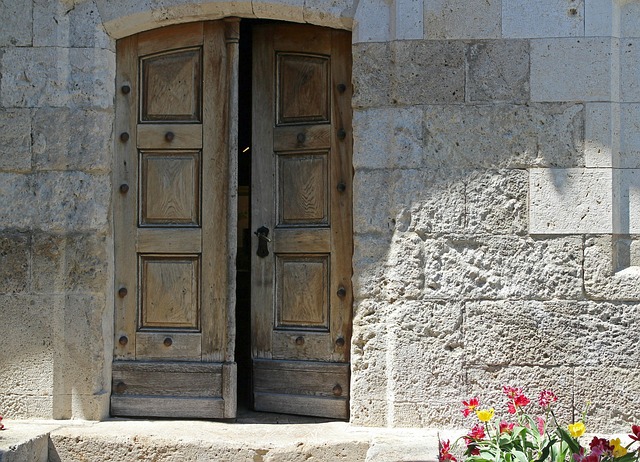
Understanding the Market Context for Door Hardware Innovation
The American hardware industry places strong emphasis on safety, accessibility, and durability across public and private infrastructure. These principles align naturally with Japanese engineering traditions known for accuracy and reliability. The rising demand for quiet environments in offices, hospitals, and homes has accelerated interest in hinged door soft closers that deliver smooth control without mechanical noise. For KURIKI, this convergence signals an opportunity to introduce anti-slam systems that reflect both cultural craftsmanship and functional necessity.
Why Soft-Closing Technology Aligns with U.S. Architectural Standards
Soft-closing mechanisms are not just aesthetic additions; they comply with building codes focusing on user safety and noise reduction. By moderating door movement, these closers reduce impact injuries and protect structural components from repeated stress. Their low-resistance operation supports ADA requirements by easing access for individuals with limited mobility. In high-end projects, integrating such technology elevates perceived value, making it a standard feature in luxury developments rather than an optional upgrade.
Engineering Precision: The Mechanics Behind Hinged Door Soft Closers
The success of any soft-closing system lies in its internal mechanics. For KURIKI’s hinged door soft closer line, engineering precision defines both performance consistency and long-term reliability.
Core Mechanisms that Define Performance
Hydraulic or pneumatic dampers form the heart of these devices, regulating the closing speed through fluid resistance to prevent abrupt slamming. Adjustable tension systems allow installers to fine-tune operation based on door weight or frequency of use—essential in commercial buildings where doors experience heavy traffic. Internal spring assemblies stabilize performance under temperature fluctuations, ensuring smooth closure even in varying climates from humid coasts to dry interiors.
Material Selection and Durability Considerations
Material choice determines how well a closer withstands time and environment. High-grade aluminum or stainless steel housings resist corrosion in coastal regions while maintaining structural integrity under continuous use. Precision machining minimizes friction between moving parts, extending product life cycles far beyond standard mechanical hinges. As sustainability becomes integral to construction procurement, recyclable metals and environmentally certified coatings help manufacturers like KURIKI align with global green standards such as ISO 14001.
Integrating Japanese Design Philosophy into American Construction Practices
KURIKI’s approach blends technical rigor with aesthetic restraint—a hallmark of Japanese industrial design adapted for Western architectural frameworks.
Minimalism and Functionality in Product Design
Compact internal structures enable seamless integration into modern door frames without altering visual lines or requiring bulky attachments. This minimalism complements diverse architectural styles from minimalist urban lofts to traditional craftsman homes. Every component serves a clear purpose: smooth motion without distraction or excess complexity.
Adapting to American Installation Standards and Preferences
To succeed commercially, imported hardware must fit existing installation habits. KURIKI’s modular assembly allows compatibility with common hinge systems used throughout North America. Simplified mounting processes reduce labor hours for contractors—a practical advantage when managing large-scale projects under tight schedules. Compliance with ANSI/BHMA performance standards further reinforces trust among architects specifying products for institutional or hospitality developments.
Commercial and Residential Applications Driving Demand in the U.S. Market
Market growth stems from real-world needs: safer homes, quieter workplaces, and lower maintenance costs over time.
Enhancing Safety and Comfort in Residential Spaces
In households with children or elderly residents, preventing sudden door closure reduces risk of finger injuries or impact accidents. Controlled motion also lowers ambient noise levels—an underrated factor contributing to domestic comfort in open-plan living spaces. Moreover, by cushioning every close, these systems protect frames and hinges from wear, extending service life across years of daily use.
Optimizing Functionality in Commercial Environments
For offices or healthcare facilities where silence supports productivity or patient recovery, hinged door soft closers provide tangible benefits. Hotels benefit similarly; guests perceive quiet doors as part of premium service quality. Beyond acoustics, controlled airflow between rooms can support HVAC efficiency by limiting drafts when doors shut gently instead of slamming shut abruptly—small details that influence operational cost savings over time.
Positioning KURIKI’s Hinged Door Soft Closer as a Competitive Differentiator in the U.S. Market
KURIKI’s challenge is not only technical but strategic: translating its heritage of craftsmanship into measurable advantages recognized by American professionals.
Bridging Japanese Craftsmanship with American Performance Expectations
Precision engineering has long been synonymous with reliability among builders specifying hardware for demanding environments like hospitals or airports. By emphasizing advanced damping systems that maintain consistent motion control even after thousands of cycles, KURIKI differentiates itself from generic imports that prioritize price over endurance. This balance between artistry and function strengthens credibility among architects seeking dependable partners for complex builds.
Future Directions for KURIKI’s Product Development Strategy in the U.S.
Looking ahead, innovation will likely extend beyond mechanical refinement toward digital integration. Smart soft-closing solutions linked to IoT-enabled access controls could redefine how facilities manage security and convenience simultaneously. Collaborations with regional distributors will improve logistics responsiveness while local R&D initiatives may adapt designs further to meet evolving building codes emphasizing energy efficiency and material sustainability.
FAQ
Q1: What makes a hinged door soft closer different from a regular hinge?
A: A hinged door soft closer includes an internal damping mechanism that slows the closing motion automatically to prevent slamming.
Q2: Are KURIKI products compliant with U.S. building standards?
A: Yes, they are designed to meet ANSI/BHMA standards commonly required across commercial construction projects.
Q3: How do soft closers contribute to ADA compliance?
A: They reduce resistance during operation so users exert less force when opening or closing doors.
Q4: Can these closers be installed on existing doors?
A: Most models feature modular designs compatible with standard hinge systems used throughout North America.
Q5: What industries benefit most from installing hinged door soft closers?
A: Healthcare facilities, hotels, schools, offices, and residential developers all gain from quieter operation and reduced maintenance costs through controlled motion technology.


