
What Makes Shelving Brackets the Key to Preventing Shelf Sagging
Don’t Let Your Shelves Sag: A Pro’s Guide to Selecting the Right Bracket for Every Wall Type
Shelving brackets are the unsung heroes of interior structure. They carry weight, maintain alignment, and prevent sagging that ruins both appearance and safety. Choosing the right bracket isn’t guesswork—it’s applied mechanics. The correct type, material, and placement determine how well shelves perform over time. From drywall to concrete, every wall demands a different strategy for anchoring load efficiently.
Understanding the Structural Role of Shelving Brackets
The physical behavior of shelving systems is governed by mechanical principles similar to those in beam design. The bracket acts as a load-transferring intermediary between the shelf and wall substrate.
The Mechanics Behind Shelf Support
Shelving brackets spread out the weight from the shelf face onto the wall base. When set up right they turn downward pressure into pushing and pulling actions along each arm. Good placement cuts down on twisting forces and bending across the shelf length. Stiffer materials like steel or reinforced aluminum hold up better than fancy cast pieces when heavy items sit on top. In a busy workshop people notice how these stronger choices keep things steady day after day.
Load Distribution and Weight Capacity Considerations
Even weight spread lowers stress at each screw or bolt point. Too much load or uneven piles speed up bending and shape changes in the bracket. Simple math helps figure safe limits for each style. Take a twelve inch deep wood shelf full of books. It may need brackets every sixteen inches with mild steel pieces. Workers often check bend limits like those used for floors to keep the shelf flat. This approach comes from years of watching what actually lasts in real rooms rather than just paper plans.
Selecting the Right Bracket for Different Wall Types
Each wall material has distinct anchoring properties that dictate bracket selection. Ignoring these differences leads to premature failure or visible damage around fasteners.
Brackets for Drywall Installations
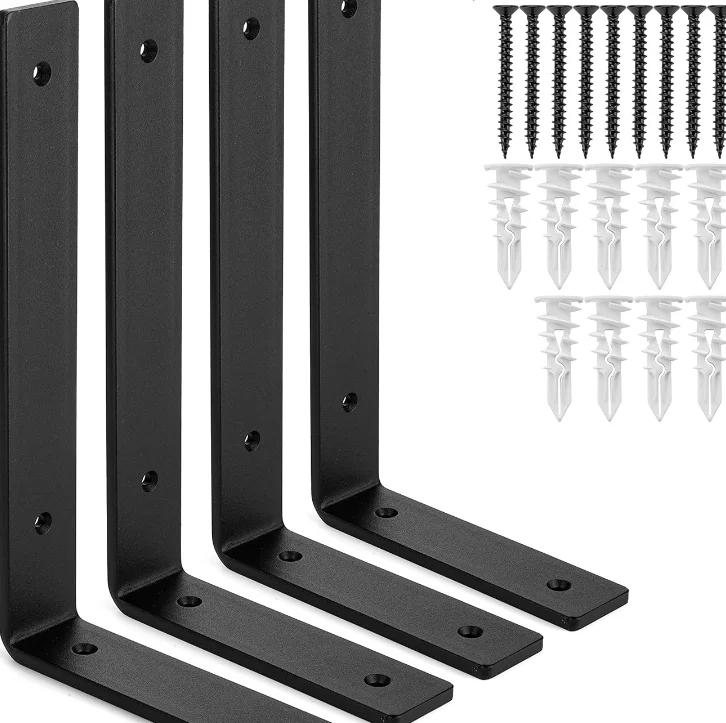
Drywall gives weak hold against pull out so special anchors like toggle bolts or molly bolts work best to stop loosening. When screws reach into wood studs behind the board the whole setup gains real strength. Light shelves work fine this way but heavy loads need that extra stud grip or small cracks form around the holes after a while. Many homes show this problem when owners skip the studs and later find loose spots near the anchors.
Brackets for Masonry and Concrete Walls
Masonry and concrete walls give strong push resistance yet need careful hole drilling. Expansion anchors or sleeve bolts lock in by pressing outward inside the hole. The depth of the anchor and clean drilling shape how well it stays over years of use. In damp spots or outside areas rust proof parts matter a lot since moisture can weaken plain steel after time. A shallow hole often fails first when loads shift back and forth.
Brackets for Wood-Framed Walls
Wood framed walls stay common in houses. Screws go straight into the studs for solid hold without extra anchors. Small starter holes stop the wood from splitting while the screw keeps good grip through many load cycles. Bracket gaps should match the stud spacing which usually sits at sixteen inches center to center. This lines up support evenly along the full shelf run and avoids weak middle sections.
Material and Design Factors That Influence Bracket Performance
Beyond installation surface, both material selection and structural geometry define how shelving brackets behave under real-world conditions.
Comparing Common Materials: Steel, Aluminum, and Cast Iron
Steel brackets give high pull strength good for heavy shop or library shelves. Aluminum offers a lighter choice with fair capacity and better rust resistance when damp air is an issue. Cast iron stays rigid yet can crack under sudden hits so it fits better in show pieces than daily use spots. Shops that handle tools often pick steel first because it handles daily knocks without early wear.
The Impact of Bracket Geometry on Load Resistance
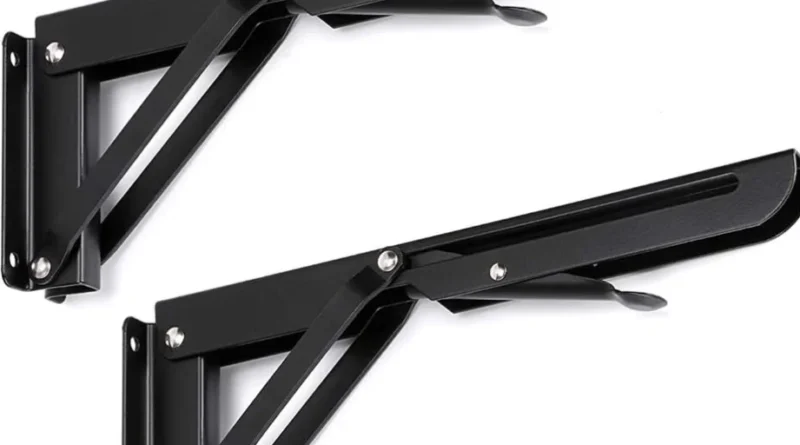
Triangular braced shapes boost upward hold by cutting bend at the corner where arm meets wall plate. Adjustable styles add give but can lose some stiffness if parts shift too much. The ratio of depth to height changes leverage effects. Deeper shelves push harder on the wall join so they need tougher brackets or tighter spacing to stay level. In practice a twelve inch shelf may need twice the bracket strength of an eight inch one when books stack high.
Installation Techniques That Prevent Shelf Sagging Over Time
Even strong materials fail without proper installation strategy. Attention to spacing, fastening method, and maintenance determines whether shelves stay level after years of use.
Optimal Spacing Between Brackets
Closer bracket gaps shorten the open span and lower sag risk especially on particleboard or MDF that bend slowly under steady weight. The right gap ties to shelf thickness and load size. Simple beam checks show that cutting the span in half drops bend by a large factor. Homeowners rarely run full numbers yet they see the difference when shelves stay flat longer with extra supports. In a kitchen with many canned goods this closer layout keeps surfaces from dipping over months.
Fastening Methods for Long-Term Stability
Pick strong screws or bolts rated for side shear that match the wall. Coarse thread screws suit wood studs while expansion bolts fit masonry and toggles work in hollow drywall. Mixing metals can cause slow rust when water sits around so zinc plated steel next to aluminum needs care outside. Checking bolts now and then catches early looseness before a shelf drops. This habit comes from seeing too many jobs where one loose spot led to bigger fixes later.
Evaluating Shelf Materials in Relation to Bracket Support Requirements
The shelf itself interacts dynamically with its supports; its composition determines how much assistance it needs from brackets beneath.
How Shelf Composition Affects Sag Resistance
Particleboard and MDF need more bracket points than solid wood or metal because their fiber mix lacks long span stiffness. Laminated tops can hide soft spots inside so extra care helps when heavy records or dishes go on top. Metal or mix shelves with tough brackets last longer under steady use common in store rooms where looks matter less than daily reliability. One example shows a plain particle shelf sagging after six months with books while a metal one stayed flat for years with the same load.
Advanced Considerations for Professional Installations
Professional installers balance technical precision with architectural intent—strength must coexist with design harmony.
Integrating Aesthetic Design with Structural Integrity
Hidden brackets keep clean looks while still giving strength when steel rods sit inside floating shelves. These systems depend on solid wall cavity fixes and any off center placement shows as slight tilt after heat cycles. Good surface coats should not block tight screw contact zones. Powder finishes work well if the base metal stays flat against the wall for full hold. In older homes workers sometimes add small shims to correct wall waves before final bracket set.
Assessing Environmental Factors Affecting Shelf Stability
Temperature shifts cause metal and wood to move which can affect bracket line over months. Metal grows about one millimeter per meter for each fifty degree change. Humidity hits wood shelves and some metal coats leading to warp or rust if edges stay open near sinks or baths. Stainless hardware holds up better in coastal rooms where salt air speeds plain steel wear. Checking a few brackets each season catches these slow changes before they turn into visible drops.
FAQ
Q1: How far apart should shelving brackets be placed?
A: For most wooden shelves up to 12 inches deep carrying books, spacing every 16 inches aligns with standard stud intervals and maintains acceptable deflection limits.
Q2: Can drywall hold heavy floating shelves?
A: Only if anchored into studs or reinforced internally; drywall alone cannot sustain significant shear loads from heavy items like cookware or books.
Q3: What’s the best material for outdoor shelving brackets?
A: Stainless steel or powder-coated aluminum resists corrosion better than mild steel when exposed to humidity or salt air environments.
Q4: Why do some shelves sag even with metal brackets?
A: Often due to insufficient bracket depth relative to shelf width—the longer lever arm increases bending stress beyond what thin metal arms can resist continuously.
Q5: Are adjustable shelving systems weaker than fixed ones?
A: Slightly yes; adjustable tracks introduce minor play between components that can reduce stiffness compared with welded fixed-bracket assemblies but remain adequate for moderate household loads.


