

Could The Car Hardware Supply Chain Be At Risk After The South African Retailer Breach
Large South African Car Parts Retailer Allegedly Breached
A major South African retailer specializing in car hardware has reportedly suffered a cyber breach that could ripple through the automotive supply chain. The event underscores how deeply digital systems are embedded in modern logistics, procurement, and retail operations. Experts warn that even a localized attack can disrupt regional distribution networks, compromise supplier trust, and expose sensitive technical data. The alleged incident signals a pressing need for unified cybersecurity governance across the automotive ecosystem.
Assessing the Potential Impact of the South African Retailer Breach on the Car Hardware Supply Chain
The alleged breach of a large South African car parts retailer has drawn immediate scrutiny from both cybersecurity professionals and supply chain analysts. Its potential to affect the broader automotive sector lies not only in data exposure but also in operational disruption across interconnected systems.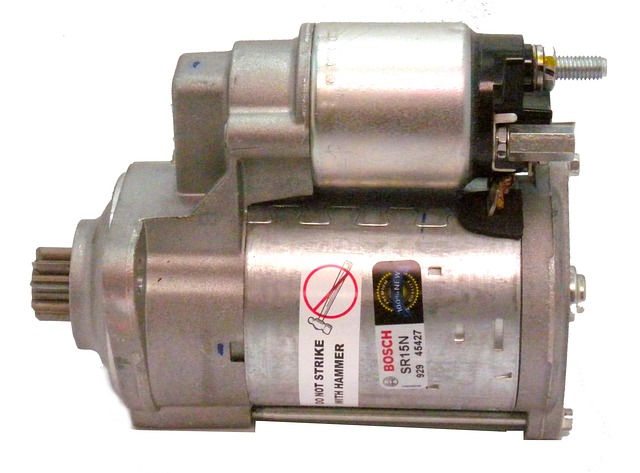
Overview of the Incident and Its Relevance to the Automotive Sector
The retailer reportedly plays a pivotal role in distributing car hardware across Southern Africa, linking local workshops with international component manufacturers. This position makes it an essential node within both regional and global automotive supply chains. Early reactions from industry observers highlight concerns about compromised vendor credentials and tampered inventory data, which could delay production schedules or distort pricing structures. Cybersecurity experts have also noted that breaches at such retailers often serve as entry points for more extensive attacks targeting upstream suppliers.
Identifying the Type and Scope of Compromised Data
Preliminary assessments suggest that multiple categories of sensitive information may have been affected—ranging from supplier contracts to payment system records. If proprietary specifications for car hardware components were leaked, counterfeiters could exploit these details to produce substandard replicas, undermining brand integrity. More troubling is the possibility that hackers accessed encrypted communications between distributors and manufacturers, potentially exposing trade secrets or future product plans.
The Risk of Data Being Leveraged for Counterfeit or Parallel Market Activities
Data theft in automotive retail often fuels illicit parallel markets. Access to genuine part numbers or design blueprints enables unauthorized manufacturing that closely mimics legitimate products. For consumers, this raises safety risks; for manufacturers, it erodes revenue and damages reputation. Counterfeit brake pads or engine sensors entering circulation can have severe consequences far beyond financial loss.
Vulnerabilities in the Automotive Hardware Supply Chain
The breach highlights how vulnerable today’s digitally integrated car hardware supply chain has become. As automation expands and cloud-based systems replace manual processes, each connection introduces potential exposure.
Digital Dependencies Within Modern Car Parts Distribution
Retailers increasingly depend on digital procurement platforms and automated warehouse management systems to maintain efficiency. These technologies connect directly with manufacturer databases and logistics providers’ tracking systems. When a single node experiences a breach, malware can propagate through shared APIs or synchronization tools, compromising entire networks within hours.
Potential Weak Points in Supplier Networks
Smaller suppliers often lack robust cybersecurity measures due to limited budgets or expertise. Attackers exploit these weak links by infiltrating third-party software used for enterprise resource planning (ERP) or inventory control. Once inside, they can manipulate order data or redirect shipments unnoticed until significant losses occur. The fragmented nature of multi-tier supplier ecosystems makes consistent security verification difficult.
The Challenge of Verifying Cybersecurity Compliance Across Multi-Tier Ecosystems
Ensuring compliance throughout an extended supply network requires more than self-assessment checklists. Many original equipment manufacturers (OEMs) rely on periodic audits that may not detect vulnerabilities introduced by subcontractors or temporary vendors. Without real-time visibility into partner security postures, even well-defended companies remain exposed.
Cybersecurity Threat Landscape in Automotive Retail and Distribution
The current threat environment facing automotive retailers is evolving rapidly as attackers target both IT infrastructure and operational technology systems managing physical inventory flows.
Common Attack Vectors Targeting Automotive Supply Chains
Phishing remains one of the most effective tactics against procurement departments handling vendor communications. Ransomware continues to disrupt warehouse operations by encrypting scheduling software or disabling barcode scanners essential for order fulfillment. Legacy point-of-sale systems still common in retail outlets present another avenue for exploitation due to outdated encryption standards.
Emerging Threats Specific to Car Hardware Retailers
Recent incidents show attackers manipulating online catalogs or altering pricing data to create artificial shortages or surges in demand. Unauthorized access to diagnostic software distributed through retailers could allow malicious code injection into vehicles during servicing. Stolen customer databases also enable fraudulent warranty claims using cloned serial numbers from genuine parts.
Use of Compromised Customer Databases for Fraudulent Returns
Fraudulent activities following breaches often involve exploiting customer information tied to purchase histories or warranty registrations. Criminals use this data to submit fake return requests or claim replacements under false identities, compounding financial losses after an already damaging cyber event.
Economic and Operational Consequences for the Supply Chain
Beyond immediate technical damage, breaches impose lasting economic strain through disrupted logistics, increased compliance costs, and diminished stakeholder confidence.
Disruptions in Inventory Flow and Order Fulfillment
System shutdowns caused by ransomware can halt order processing entirely, delaying shipments of critical components like alternators or control modules needed for vehicle assembly lines operating under just-in-time principles. Manual verification procedures introduced after breaches slow recovery further while increasing labor costs.
Reputational Damage and Regulatory Implications
Loss of trust among OEMs and distributors is difficult to repair once data integrity is questioned. In South Africa, organizations handling personal information must comply with the Protection of Personal Information Act (POPIA), while international partners may fall under GDPR obligations if EU citizens’ data are involved. Non-compliance can result in heavy fines alongside reputational fallout.
Financial Implications from Compliance Failures or Notification Requirements
Breach notification mandates require timely disclosure to regulators and affected parties—a process that consumes resources while inviting public scrutiny. Legal fees, forensic investigations, and compensation claims add layers of cost beyond initial containment efforts.
Strategies to Strengthen Resilience Against Future Breaches
Strengthening resilience demands coordinated action across all stakeholders—from component manufacturers to last-mile distributors—supported by technology investments aligned with clear governance frameworks.
Enhancing Cybersecurity Governance Across the Supply Chain
Unified security standards should apply equally to every participant handling car hardware data or transactions. Regular penetration testing exposes weaknesses before adversaries do, while third-party risk assessments help prioritize remediation efforts based on actual exposure levels rather than assumptions. Real-time intelligence sharing between partners enables faster detection of emerging threats spreading across connected systems.
Leveraging Technology for Secure Operations Management
Modern tools offer practical ways to contain breaches before they escalate into systemic crises by limiting unauthorized movement within networks and improving monitoring accuracy.
Adoption of Advanced Security Tools
Zero-trust architectures restrict internal access so that even compromised credentials cannot traverse unrelated systems undetected. Endpoint detection solutions continuously analyze activity patterns within retail environments where thousands of devices—from POS terminals to handheld scanners—operate simultaneously under varying security conditions.
Blockchain and Secure Data Exchange Mechanisms
Blockchain provides transparent tracking of parts provenance across multiple parties without exposing confidential details publicly. Encrypted communication channels between warehouses and suppliers reduce interception risks during routine file transfers such as invoices or shipment manifests.
Long-Term Outlook for Automotive Supply Chain Security Post-Breach
The aftermath of this alleged breach will likely accelerate structural changes across the industry as cybersecurity becomes integral rather than peripheral within business strategy discussions.
Industry-Wide Shifts Toward Cyber Risk Mitigation Frameworks
Automotive associations are beginning to treat cyber risk management as essential infrastructure protection rather than optional compliance work. Collaboration among regulators and technology providers aims to establish standardized defense models similar to those used in critical energy sectors governed by ISO/IEC 27001 frameworks.
Anticipated Evolution in Supplier Vetting and Compliance Practices
Future supplier evaluations will incorporate cybersecurity metrics alongside traditional quality benchmarks such as delivery performance or defect rates. Certifications like ISO/SAE 21434 focusing on road vehicle cybersecurity engineering are gaining traction as prerequisites for partnership eligibility within global manufacturing networks.
FAQ
Q1: What type of company was affected by the alleged breach?
A: It was a major South African retailer specializing in car hardware distribution across regional markets linked with international suppliers.
Q2: Why does this incident matter beyond South Africa?
A: Because modern automotive supply chains are globally interconnected; disruptions at one node can cascade through multiple tiers affecting production worldwide.
Q3: What kind of data might have been compromised?
A: Likely categories include supplier agreements, payment system records, inventory databases, and possibly proprietary component specifications used in manufacturing processes.
Q4: How can similar retailers protect themselves?
A: By adopting zero-trust network models, conducting regular penetration tests, enforcing encryption across communications, and requiring cybersecurity certification from all vendors involved in their ecosystem.
Q5: What long-term changes are expected after this event?
A: Greater emphasis on integrated cyber risk frameworks within supply chain governance and stricter vetting standards emphasizing certified cybersecurity compliance among suppliers globally.


