
How Do Aluminum Grades Influence Structural Integrity in Engineering Projects
The Engineer’s Decision Matrix: Selecting the Right Aluminum Grade for Your Project
Selecting the correct aluminum grade decides not only how well parts hold up but also how much it costs to make them, how they fight rust, and how long they last. Engineers look at strength versus weight, rust resistance, and how easy the metal is to cut or shape. The right pick often comes from mixing good strength with easy making, not just going for the strongest option every time.
Classification Systems for Aluminum Alloys
The aluminum field uses a simple number system to sort alloys. This helps engineers check properties fast. Each group from 1xxx to 7xxx has its own mix of metals and its own uses in design.
Overview of the 1xxx to 7xxx Series Classification System
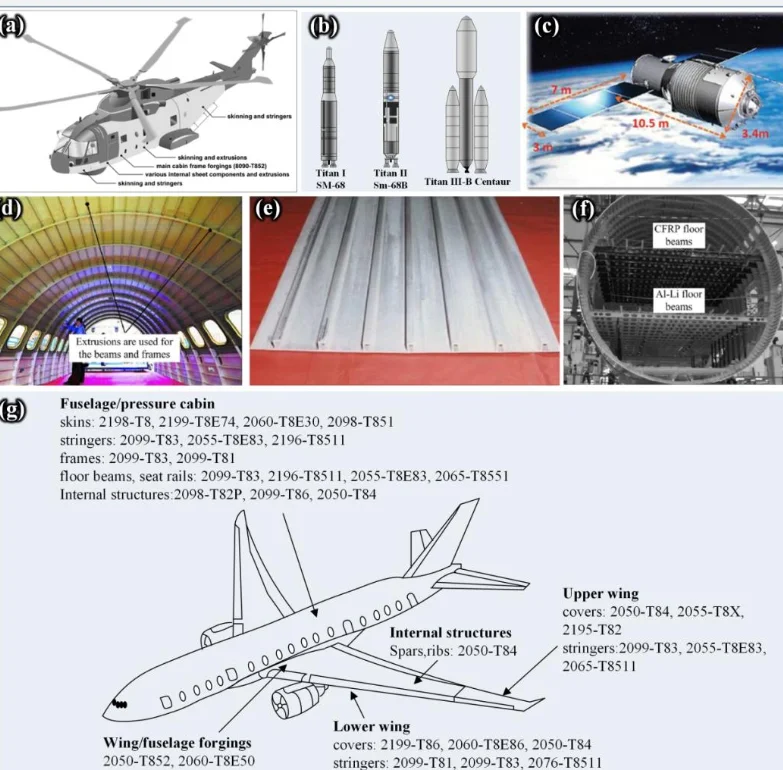
The 1xxx series is almost pure aluminum. It carries electricity well but does not give much strength. The 2xxx series adds copper to raise strength, yet it gives up some rust resistance. The 5xxx series uses magnesium and stands up well to salt water. The 6xxx series mixes aluminum with magnesium and silicon. It forms well and welds easily, so many car frames use it. The 7xxx series adds zinc and copper and reaches very high strength for planes.
Differentiation Between Wrought and Cast Aluminum Alloys
Wrought alloys get rolled or pushed through dies. This step makes the grain finer and the metal more bendable. Cast alloys get poured into molds. They suit tricky shapes but often have small holes and larger grains, so they end up weaker. The choice depends on whether the part needs complex form or strong structure.
The Role of Temper Designations (e.g., T6, H32) in Defining Mechanical Properties
Temper codes tell how the metal was made stronger after shaping. T6 means the piece was heated, then aged on purpose. This temper is common for 6061-T6. H32 means the metal was worked hard and then held steady. It fits alloys like 5052-H32 that do not respond to heat. These codes change how the metal bends under load and how many cycles it can take before it cracks.
Key Alloying Elements and Their Effects
Small amounts of other metals change how aluminum bends, how hard it gets, and how well it fights rust. Knowing these effects helps when parts face changing loads or wet air.
Influence of Magnesium, Silicon, Copper, and Zinc on Strength and Corrosion Resistance
Magnesium adds strength and helps in salt water. Silicon makes the melt flow better during casting. It also joins with magnesium to form small hard bits in alloys like 6061. Copper makes the metal harder but lowers rust protection. Zinc gives the highest pull strength in grades such as 7075.
Trade-offs Between Ductility and Hardness in Alloy Formulation
Harder mixes resist denting but break sooner when hit or bent many times. Softer mixes stretch farther before they snap, yet they may sag under steady load. The engineer picks based on whether the part needs to soak up shocks or stay stiff.
How Alloy Composition Impacts Weldability and Machinability
High copper makes welds crack when hot. Magnesium-silicon mixes weld with little trouble and little warp. Adding lead or bismuth helps the metal cut clean, but it can lower toughness. Shops often learn this the hard way when moving from test parts to full runs.
Mechanical Properties That Define Structural Integrity
Checking strength means more than one pull test. It also covers how the metal acts after many loads, after heat, and after small cracks start.
Tensile Strength and Yield Behavior Across Grades
6061-T6 gives about 290 MPa before it stays bent, and it still stretches a fair amount. This fits extruded bars and beams. 7075-T6 goes past 500 MPa but needs extra care against rust. Yield tells when the part will not spring back, so it sets the safe load for plane wings or car frames.
The Relationship Between Yield Strength and Load-Bearing Capacity
Higher yield lets designers use thinner walls and still meet safety rules. Yet very stiff metal can push stress into welds or bolts. Computer checks often show that medium grades last longer in parts that see repeated loads.
Impact of Heat Treatment on Mechanical Performance Stability
Heat steps lock in tiny hard particles like Mg₂Si. If the oven runs too hot or too long, those particles grow large and the metal loses strength over time. Large welded frames often see this problem first.
Fatigue Resistance and Fracture Toughness Considerations
Most aluminum parts fail from repeated small loads, not from one big pull. Even grain structure matters most here.
How Cyclic Loading Affects Fatigue Life in Different Aluminum Grades
Grades like 5083 that never see heat treatment hold up better under vibration. Age-hardened types like 7075-T6 can start cracks sooner around the hard particles. In machine housings or bridge decks this can add years of service.
The Significance of Microstructural Uniformity on Crack Propagation Resistance
Fine grains from careful rolling force cracks to turn often, slowing them down. Dirt or large bits of other metals give cracks a straight path and speed them up.
Strategies to Enhance Fracture Toughness Through Alloy Selection and Processing Control
Using T73 temper instead of T6 spreads out the hard particles and raises toughness. Friction stir welding keeps grains small without melting the metal. Plane makers now use this method on body panels.
Corrosion Resistance and Environmental Durability
Where the part sits decides how often it needs paint or replacement. Good rust behavior cuts long-term cost.
Influence of Alloy Composition on Corrosion Mechanisms
Copper-rich grades such as 2xxx and 7xxx pit fast near steel bolts or in damp air. Magnesium-rich grades build a film that heals small scratches, which is why boat builders favor the 5xxx series.
Galvanic Corrosion Tendencies in Multi-Material Assemblies
When aluminum touches carbon fiber or stainless bolts, a small current starts and eats the aluminum first. Plastic washers or paint layers stop most of this damage.
Role of Protective Oxide Layers in Atmospheric Exposure Conditions
Air forms a thin film of oxide on aluminum right away. Anodizing grows that film thicker so coastal parts last longer before pits appear.
Comparative Corrosion Resistance Between Marine-Grade (5xxx) and Aerospace-Grade (7xxx) Alloys
5xxx plate stays in sea water for decades. 7xxx sheet needs regular checks because its rust margin is smaller, yet its strength keeps it in planes.
Surface Treatments and Protective Coatings
Coatings add life by slowing the chemical attack at the surface.
Anodizing Processes for Enhanced Surface Durability
Anodizing builds a thick, hard layer that also takes color for buildings. After the bath, pores must be sealed or salt will creep in.
Conversion Coatings as a Barrier Against Chemical Degradation
Newer chrome-free dips give paint a good grip and avoid the old health rules tied to hexavalent chrome.
Integration of Surface Treatments Into Structural Design Specifications
More designers now list coating thickness in the drawing so the finished part still fits. This habit came from electronics, where tight control of every layer cuts later trouble between parts.
Thermal and Electrical Conductivity Implications
Heat flow becomes important when parts sit near engines or power boxes.
Thermal Expansion Behavior Under Load Conditions
Alloys grow at rates between 22 and 25 times ten to the minus six per degree. If two joined metals grow at different rates, the joint can crack after many hot-cold cycles. Flexible links or slots help.
Thermal Cycling Effects on Dimensional Stability in Precision Components
Heating and cooling move stresses around. High-silicon cast parts keep their size better than flat rolled plates because their growth is more even in all directions.
Design Adjustments to Mitigate Thermal Stress Accumulation
Engineers leave small gaps or add bimetal strips. Solar box makers learned this early; the right gap keeps the frame from warping after years outside.
Conductivity Trade-offs With Strengthening Mechanisms
Pure aluminum carries current twice as well as heavily mixed grades, but it bends too easily for frames. Bus bars use the pure metal. Brackets on planes use stronger grades even though they warm up a bit more.
Manufacturing Processes and Their Effect on Integrity
How the metal is shaped sets the final grain pattern and the leftover stresses that affect fatigue.
Forming, Extrusion, and Machining Characteristics by Grade
Soft 1100 draws into thin foil without trouble. Harder grades need warm dies so they do not tear. 2011-T3 cuts into small chips at high speed, letting shops hold tight sizes on aerospace parts.
Welding and Joining Performance Across Grades
Heat-treatable grades lose strength next to the weld bead. Non-heat-treatable grades keep most of their strength if the filler matches the base magnesium level. Too much heat makes big grains and pulls the part out of shape. Shops that control cooling directly get fewer rejects than those that leave it to outside welders.
Selection Criteria for Engineering Applications
Final choice blends test data with real limits on cost, recycling targets, and how steady the supply chain is. This is much like checking a vendor’s list of approvals across many countries before signing a long contract.
Balancing Structural Requirements With Material Efficiency
Plane teams count every gram saved. Bridge teams count dollars per ton in place. Car teams count how much crash energy each kilogram can absorb. Recycled aluminum keeps almost all its properties and uses far less energy to make than new metal. Firms that control the whole supply chain from melt to finished part cut surprises later.
Lifecycle Cost Considerations Including Fabrication, Maintenance, and Recyclability
Easy-to-form grades cut machine hours. Good rust resistance stretches repaint cycles on rail cars and bridges. Over thirty years those repaint bills often exceed the first price of the metal.
Integrating Simulation Tools in Grade Selection Decisions
Finite element runs show how a part will bend before any tool steel is cut. Databases of real test curves for many temperatures let engineers skip some lab work. Yet every fatigue-critical part still needs at least one physical check because real grains do not always match the model.
FAQ
Q1: What is the main difference between heat-treatable and non–heat-treatable aluminum grades?
A: Heat-treatable grades gain strength from fine particles that form after a heating and cooling cycle. Non–heat-treatable grades only get stronger from being rolled or pulled hard at room temperature.
Q2: Why is alloy 6061 preferred over pure aluminum despite lower conductivity?
A: 6061 gives much higher yield strength and still machines well. Frames and brackets need that stiffness more than top conductivity.
Q3: How does anodizing improve corrosion resistance?
A: Anodizing grows a thicker oxide layer that blocks moisture and salt longer than the natural film alone.
Q4: Which factors most influence weld joint durability?
A: Filler wire match, heat input, joint shape, and surface cleanliness all change how stress sits in the finished weld and when cracks start.
Q5: Can simulation tools replace physical testing entirely when selecting an aluminum grade?
A: They cut the number of trials needed, yet real parts still need at least spot checks for fatigue where grain differences matter.


