
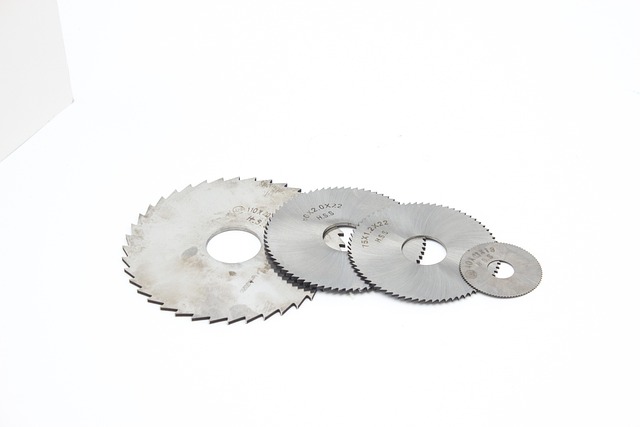
Are Metal Band Saw Blades the Key to Overcoming New Alloy Cutting Challenges
The Challenges of Sawing New Alloys
In modern manufacturing, cutting advanced alloys has become a critical challenge. These materials—engineered for strength, durability, and resistance to heat—demand more than conventional sawing methods can offer. The development of specialized metal band saw blades and cable saw systems has reshaped how industries like aerospace and energy handle precision cutting. The key lies in matching blade composition, geometry, and machine parameters to each alloy’s unique behavior under stress.
The Evolution of Alloy Cutting in Modern Manufacturing
The evolution of alloy cutting reflects how industrial materials have advanced faster than traditional machining techniques. As alloys gain complexity, manufacturers must rethink cutting strategies to maintain accuracy and cost efficiency.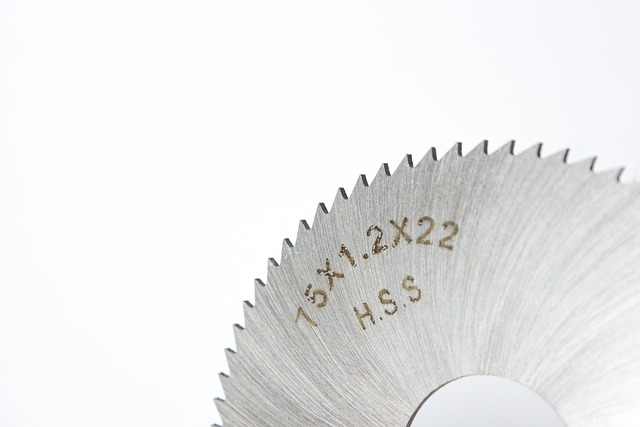
The Rise of Advanced Alloys in Industrial Applications
New alloys are being developed to meet demands for strength, heat resistance, and corrosion protection across sectors such as aerospace, energy, and automotive manufacturing. These materials enable lighter components with higher performance but often resist conventional machining. For instance, titanium alloys used in jet engines require precise cutting control to prevent microstructural damage or tool wear. Such demands have pushed the need for improved blade technology capable of maintaining consistent performance under high thermal loads.
How Alloy Composition Affects Sawing Performance
Alloy composition directly influences sawing outcomes. High-nickel and titanium-based alloys exhibit work hardening and low thermal conductivity, which increase frictional heat during cutting. As temperatures rise, carbide wear rates accelerate, reducing blade life and cut quality. Selecting the right tooth geometry and material combination becomes essential when working with these metals. Metallurgical knowledge allows engineers to predict chip formation behavior and adjust sawing parameters accordingly.
The Role of Metal Band Saw Blades in Addressing Cutting Challenges
As alloys become tougher to process, metal band saw blades have evolved through advances in material science and design precision. Their adaptability makes them the preferred choice for most industrial applications requiring repeatable accuracy.
Material Science Behind Modern Band Saw Blades
Modern band saw blades combine high-speed steel or carbide-tipped teeth with flexible backers that absorb vibration while maintaining edge stability. Coatings such as TiN or AlTiN improve heat resistance by forming protective oxide layers that reduce friction between the blade and workpiece. Blade geometry is optimized for chip evacuation so that debris does not clog the cut path—a frequent cause of overheating in dense alloys.
Matching Blade Design to Alloy Characteristics
Blade selection depends on alloy hardness and ductility. A coarse tooth pitch may suit softer metals but risks tearing edges on brittle alloys. Variable-pitch blades minimize vibration when cutting tough materials like Inconel or Hastelloy by distributing cutting forces unevenly across teeth. Adjustments in feed rate and band speed also influence surface finish; slower speeds typically extend blade life while maintaining dimensional tolerance.
Process Optimization for Cutting New Alloys with Band Saws
Achieving consistent results when sawing new alloys requires precise control over cooling systems, machine tensioning, and feed mechanisms. Even minor deviations can lead to premature tool failure or poor surface integrity.
Cooling and Lubrication Strategies
Flood cooling remains the standard approach for dissipating heat during alloy cutting because it stabilizes temperature gradients along the blade path. However, minimum quantity lubrication (MQL) systems are gaining popularity due to their reduced environmental impact while still providing effective chip removal. Proper coolant delivery ensures even distribution across the kerf zone to prevent localized overheating or galling on the blade edge.
Machine Parameters That Influence Cut Quality
Machine calibration plays a crucial role in maintaining cut straightness and dimensional accuracy. Tension settings must match manufacturer specifications; too little tension causes wandering cuts, while excessive force leads to premature fatigue cracks in the blade body. Feed force control prevents tooth chipping at entry or exit points where stress concentrations peak. Monitoring vibration signals offers early detection of instability—an approach now integrated into digital control systems used on high-end industrial saws.
Comparing Metal Band Saw Blades with Alternative Cutting Technologies
While band saws dominate most production environments, alternative tools like cable saw systems are gaining ground for specific use cases involving large or irregular shapes.
Cable Saw Systems in Alloy Processing
Cable saws provide flexibility unmatched by rigid-frame machines. Their abrasive-coated cables can maneuver around complex geometries or oversized components found in turbine housings or structural castings. However, they often sacrifice precision at tight tolerances compared with metal band saw blades designed for uniform kerf widths. Maintenance also differs: cable tensioning requires frequent inspection due to wear along multiple contact points.
Evaluating Cost Efficiency and Productivity Trade-offs
From a cost perspective, band saws generally deliver higher throughput during batch operations since they maintain steady feed rates across multiple cuts without frequent setup changes. Cable saws excel when minimal deformation is required—useful for delicate prototypes or exotic materials sensitive to mechanical stress. Lifecycle cost analysis helps manufacturers determine whether productivity gains outweigh maintenance expenses depending on alloy type and production scale.
Innovations Driving the Future of Alloy Sawing Technology
Technological innovation continues to redefine how industries approach alloy sawing—from smart sensors embedded within machines to experimental nanostructured coatings that resist extreme wear conditions.
Integration of Smart Sensors and Predictive Maintenance
Sensor-equipped sawing systems now monitor temperature, vibration, and load data in real time. Predictive analytics convert this information into actionable insights that extend blade life through scheduled maintenance before failures occur. Automation enables adaptive speed control based on material feedback loops—adjusting performance dynamically rather than relying on static presets.
Emerging Blade Materials and Coatings for Next-generation Alloys
Research is focusing on nanostructured coatings capable of sustaining hardness at elevated temperatures beyond 1000°C without losing adhesion strength. Hybrid tooth designs combining carbide tips with ceramic reinforcements balance toughness against sharpness retention under cyclic loads typical in aerospace-grade alloy cutting. Continuous development aims to align sawing technology with evolving metallurgical complexity so that future tools remain both efficient and durable even as materials advance further.
FAQ
Q1: Why are advanced alloys difficult to cut?
A: Their high strength, low thermal conductivity, and tendency to harden during machining increase frictional heat and tool wear.
Q2: What makes metal band saw blades suitable for tough alloys?
A: They combine durable tooth materials like carbide with flexible backers that absorb vibration while maintaining precision under heavy loads.
Q3: How does coolant affect alloy sawing performance?
A: Proper cooling prevents thermal distortion by removing excess heat from the cutting zone, which extends blade life significantly.
Q4: When should a cable saw be used instead of a band saw?
A: Cable saws are ideal for large or irregular components where flexibility matters more than fine dimensional accuracy.
Q5: What future trends will shape alloy sawing technology?
A: Smart sensors enabling predictive maintenance and new nanostructured coatings improving wear resistance will define next-generation sawing systems.


