
Is The Best Benchtop Bandsaw Redefining Precision in 2026 Testing and Reviews
The Best Band Saws of 2026, Tested and Reviewed
The best benchtop bandsaw in 2026 is no longer a bulky tool but a precision instrument that merges digital intelligence with mechanical stability. Modern models deliver exceptional torque, near-zero vibration, and data-driven calibration, redefining what compact saws can achieve in both woodworking and metal fabrication. Expert testing confirms that the latest generation of brushless-motor bandsaws offers improved energy efficiency and accuracy suitable for professional-grade applications. The industry’s focus has shifted toward smarter, cleaner, and more sustainable machines that meet the rising standards of precision manufacturing.
Understanding the Role of Benchtop Bandsaws in Modern Workshops?
Benchtop bandsaws have evolved from simple cutting tools into essential components of precision workshops. Their compact form now conceals advanced engineering that balances power, stability, and digital adaptability.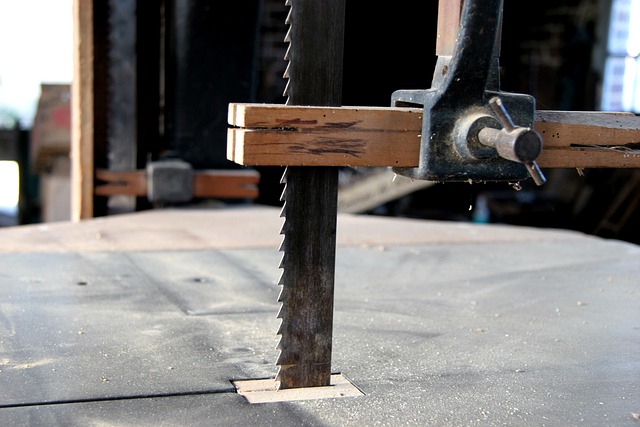
The Evolution of Benchtop Bandsaw Design
Over the past decade, benchtop bandsaw design has undergone a remarkable transformation. Early models prioritized raw power but lacked finesse in blade control and material handling. By 2026, manufacturers have refined these tools with compact high-torque motors that deliver consistent performance even on dense hardwoods or non-ferrous metals. Precision blade tracking systems now rely on micro-adjustable bearings to maintain alignment during extended runs. Many premium models integrate digital measurement tools such as laser guides or sensor-based depth indicators to improve cut accuracy across repetitive operations.
Why Precision Matters in 2026 Workshop Standards
Precision has become the defining metric for workshop equipment in 2026. Micro-tolerance woodworking and fine metal fabrication demand repeatable accuracy within fractions of a millimeter. Tool stability directly affects this outcome: excessive vibration not only reduces surface quality but also accelerates blade wear. Manufacturers now employ multi-axis balancing systems to dampen resonance during operation. Automation further enhances consistency; smart calibration modules automatically adjust tension or speed based on material feedback, maintaining uniform results across production cycles.
Key Features Defining the Best Benchtop Bandsaws of 2026
Selecting the best benchtop bandsaw requires understanding the interplay between motor design, blade technology, and structural integrity. Each component contributes to performance longevity and operational safety.
Motor Performance and Power Efficiency
The competition between brushless and induction motors continues to shape the market. Brushless motors dominate premium models due to their superior torque control and reduced maintenance needs. They maintain steady RPM under load, crucial when cutting thick maple or mild steel plates. Variable-speed control systems have also matured; they optimize energy use by matching output to material density rather than running at fixed speeds. This advancement not only conserves power but also extends motor life—a key consideration for high-frequency industrial use.
Blade Technology and Cutting Accuracy
Blade innovation drives much of the current performance leap. Carbide-tipped blades offer extended service life while bi-metal variants provide flexibility for mixed-material applications. Tensioning mechanisms have grown more sophisticated, using calibrated springs or electronic sensors to maintain alignment under fluctuating loads. Blade width selection remains critical; narrower blades excel at contour work while wider ones deliver straighter resaw cuts with minimal deflection. A well-matched blade system transforms even a mid-range saw into a precision tool capable of production-level output.
Frame Construction and Stability Innovations
Frame design defines how effectively a bandsaw channels motor power into clean cuts. Cast aluminum frames reduce weight without compromising rigidity, while reinforced steel versions dominate heavy-duty models where inertia aids stability. Vibration-dampening mounts isolate motor oscillation from the cutting surface, improving both comfort and finish quality. Geometry also matters—triangulated support structures distribute stress evenly across joints, reducing flex during deep cuts and enhancing operator safety through predictable handling.
Comparative Analysis: 2026’s Leading Benchtop Bandsaw Models
Evaluating top-tier benchtop bandsaws requires standardized testing across measurable parameters like feed rate consistency, kerf width uniformity, and acoustic output levels.
Evaluation Criteria for Testing and Reviews
Professional review panels now follow rigorous testing protocols inspired by ISO tool performance standards. Feed rate tests measure torque retention under continuous load, while kerf width analysis determines cut uniformity across materials of varying densities. Noise level readings are included as part of ergonomic scoring since quieter machines contribute to safer workshop environments. Reviewers balance cost-efficiency with mechanical reliability; a lower-priced unit may score highly if it maintains tolerances comparable to premium alternatives over repeated cycles.
Performance Insights from Expert Testing Panels
Expert evaluations reveal that long-term precision retention is often determined by bearing quality rather than raw horsepower. Extended-use tests show minimal drift among top-rated brushless models even after hundreds of hours of operation. Cut quality varies by material: hardwoods exhibit smoother finishes due to consistent feed pressure, whereas metal composites challenge cooling systems more severely. Maintenance accessibility emerged as a differentiator—models with front-facing tension knobs or quick-release covers simplify adjustments without disassembly, saving valuable shop time.
Technological Trends Influencing Bandsaw Innovation in 2026
Innovation in 2026 extends beyond mechanics into digital intelligence and sustainability-driven manufacturing practices that reshape how professionals interact with their tools.
Integration of Smart Sensors and Digital Controls
Smart technology now plays an integral role in high-end benchtop bandsaws. Adaptive speed regulation adjusts RPM automatically after detecting changes in material density through embedded sensors. Real-time diagnostics track blade wear patterns and issue maintenance alerts before failure occurs—a feature once limited to industrial CNC equipment. IoT connectivity allows machines to share operational data within workshop networks, enabling predictive analytics for production planning or energy consumption tracking.
Sustainability Considerations in Modern Tool Manufacturing
Environmental responsibility influences every stage of modern tool design. Manufacturers increasingly use recyclable alloys for frames and low-emission coatings for components exposed to heat or friction. Energy-efficient motor assemblies comply with international environmental standards such as IEC 60034-30-2 for efficiency classification of electric motors (IEA Technical Report). Lifecycle analysis now forms part of product evaluation among professional buyers who weigh carbon impact alongside technical specifications when selecting workshop equipment.
Practical Considerations for Selecting a Professional Benchtop Bandsaw
Choosing the right saw involves aligning machine capabilities with specific project requirements while maintaining manageable upkeep routines over years of service.
Matching Machine Specifications to Application Requirements
Professionals assess throat capacity relative to workpiece dimensions; typical benchtop units range between 9–14 inches depending on intended use cases like cabinetry versus small metalwork prototypes. Table size influences maneuverability during curved cuts, while horsepower dictates throughput efficiency on dense stock materials such as oak or aluminum plate. Dust collection compatibility is increasingly vital—integrated ports connect directly with shop vacuums to maintain visibility and air quality standards required by occupational safety regulations.
Maintenance Practices to Preserve Precision Over Time
Sustaining accuracy demands disciplined maintenance habits rather than reactive repairs. Routine calibration checks verify blade alignment using dial indicators or laser references before each shift changeover. Bearings require periodic lubrication based on operating hours logged by onboard counters; skipping this step leads to premature vibration issues that compromise cut fidelity. Scheduled inspections every six months help detect micro-cracks in frames or worn guide assemblies before they escalate into major downtime events.
FAQ
Q1: What defines the best benchtop bandsaw in 2026?
A: The best benchtop bandsaw combines high-torque brushless motors with smart calibration features that sustain micro-level precision while minimizing energy waste.
Q2: How do digital controls improve workshop productivity?
A: Digital controls automate speed adjustments based on real-time sensor feedback, reducing manual intervention and keeping output consistent across materials.
Q3: Are modern benchtop bandsaws suitable for metal cutting?
A: Yes, advanced bi-metal blades paired with variable-speed drives allow controlled cutting through non-ferrous metals without overheating or loss of edge integrity.
Q4: What maintenance schedule ensures long-term accuracy?
A: Regular tension checks before each session, monthly lubrication cycles for bearings, and semiannual frame inspections keep precision intact over time.
Q5: How does sustainability affect tool selection today?
A: Buyers increasingly favor models built from recyclable materials with low-emission motors certified under international efficiency standards such as IEC classifications.


