
What Makes a Circular Saw Concrete Blade Outperform in Diamond Cutting Efficiency
Best Diamond Blade For Circular Saw
Selecting the best diamond blade for a circular saw depends on how efficiently it cuts through concrete under demanding site conditions. A high-performance circular saw concrete blade combines advanced diamond technology, balanced segment design, and thermal control to maintain speed without compromising lifespan. The most efficient blades use synthetic diamonds bonded in optimized metal matrices that adapt to both hard and abrasive aggregates. In professional practice, the right match between blade composition and concrete type determines not only productivity but also cost-effectiveness over time.
Understanding Diamond Cutting Efficiency in Circular Saw Concrete Blades?
Cutting performance in diamond blades is a product of material science and mechanical precision. Efficiency is not only about speed but about maintaining consistent cutting depth, minimal vibration, and controlled wear throughout the blade’s life cycle.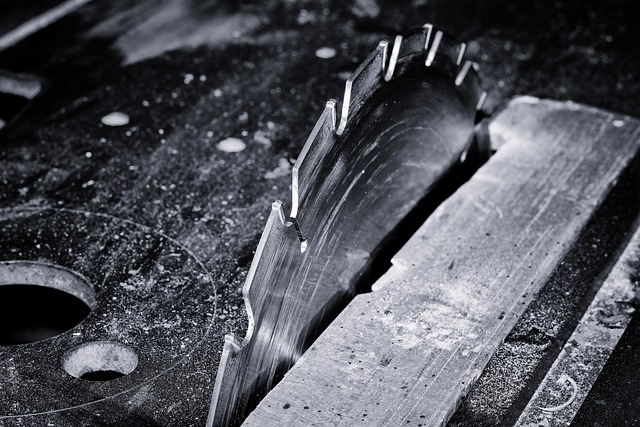
The Science Behind Diamond Cutting Technology
Diamond segments on a circular saw concrete blade work as micro-grinding tools that abrade concrete particles instead of slicing them. The efficiency of this process depends on how well the diamonds are exposed within the segment matrix. If too few are exposed, cutting slows; if too many, the bond wears prematurely. The bond composition—typically a mix of metallic powders—controls how quickly worn diamonds are released and replaced by fresh ones during operation. This balance ensures continuous sharpness and stable performance across varying aggregate hardness levels.
Factors Defining Cutting Efficiency
Segment wear rate directly influences both cutting speed and overall blade longevity. A slower wear rate means longer service life but may reduce aggressiveness when cutting dense concrete. Heat dissipation is another key factor; excessive heat can cause glazing or diamond pull-out, reducing efficiency. The interplay between rotational speed, feed pressure, and cooling determines whether a blade performs at its design potential or suffers from premature fatigue.
Material Composition and Segment Design
The material science behind a diamond blade defines its behavior under load. Both the quality of synthetic diamonds and the composition of the bonding metals determine how effectively a circular saw concrete blade handles different types of concrete.
Diamond Quality and Concentration
Synthetic diamond grade affects sharpness, durability, and uniformity in cutting performance. Higher concentrations extend life but may slightly reduce initial aggressiveness because fewer new diamonds are exposed early in use. Balancing grit size distribution allows consistent material removal rates across dense or variable aggregates such as quartz or limestone.
Metal Bond Matrix Characteristics
The metal bond acts as both support and regulator for diamond exposure. Softer bonds work best on hard aggregates since they release worn diamonds faster to expose new ones. Conversely, harder bonds are used for abrasive materials to prevent rapid segment erosion. Alloy selection also affects thermal resistance—key for maintaining structural integrity during long cutting sessions where frictional heat builds up.
Segment Geometry and Configuration
Segment shape plays a surprisingly large role in cooling and debris removal. Turbo rims enhance airflow for faster cooling, segmented rims allow debris clearance during deep cuts, while continuous rims provide smoother edges for precision work like decorative scoring. Gullets between segments improve air movement and reduce frictional heat buildup, extending usable life under high-load conditions.
Blade Core Engineering and Structural Stability
A diamond blade’s core must withstand extreme centrifugal forces without warping or cracking. Engineering precision here ensures consistent alignment between segments and core even at high RPMs.
Core Material Selection
High-tensile steel cores resist deformation when subjected to heavy torque from powerful circular saws. Laser-welded joints increase bond strength between core and segment—critical for heavy-duty demolition or reinforced concrete applications. Some advanced designs include vibration-dampening layers that minimize deflection during deep cuts, improving accuracy while reducing operator fatigue.
Cooling Mechanisms and Slot Design
Expansion slots cut into the steel core manage thermal stress by allowing controlled flexing as temperatures fluctuate during operation. Water-cooling channels or dry-cut venting systems help maintain optimal temperatures depending on jobsite conditions. Proper thermal management preserves both diamond retention and matrix uniformity, preventing uneven wear that could lead to segment loss.
Operational Parameters Affecting Performance
Even with perfect design, operational variables determine real-world results. Speed settings, feed rate, torque balance—all interact dynamically with material resistance.
Speed, Feed Rate, and Torque Balance
Correct rotational speed keeps diamonds engaged efficiently without overheating or glazing the surface layer of the segment. Feed pressure should correspond to material hardness: too light causes polishing instead of grinding; too heavy risks core deflection or motor strain. Consistent torque output prevents microfractures within the steel core that could propagate into structural failure under stress.
Wet vs Dry Cutting Conditions
Wet cutting significantly extends blade life by reducing frictional heat while flushing away slurry from the kerf line. Dry cutting relies on specialized segment spacing that promotes self-cooling airflow; this configuration suits quick surface jobs where water use isn’t practical. Selecting a blade engineered specifically for one condition over another determines long-term reliability more than any single design feature.
Matching Blade Specifications to Concrete Types
Not all concretes behave alike under a spinning diamond edge. Aggregate hardness, moisture content, reinforcement density—all influence how a circular saw concrete blade interacts with its target material.
Influence of Aggregate Hardness and Reinforcement Content
Hard aggregates like quartz demand softer metal bonds so new diamonds remain exposed continuously during grinding action. Reinforced concretes require higher impact resistance because embedded steel bars can chip segments if not properly supported by strong bonding alloys. Adjusting formulation based on aggregate abrasiveness stabilizes performance consistency across diverse site conditions.
Adapting Blade Design for Field Applications
Different field setups call for specific adaptations: high-speed handheld saws benefit from thin-kerf blades that minimize drag per revolution; large demolition rigs need thicker cores to maintain stability under massive torque loads; matching diameter with saw horsepower optimizes energy transfer efficiency while preventing motor overloads common in mispaired setups.
Innovations Enhancing Diamond Blade Efficiency
Recent advances in manufacturing have transformed how modern blades handle stress, temperature, and feedback control—pushing efficiency boundaries far beyond traditional sintered designs.
Advanced Manufacturing Techniques
Laser sintering creates uniform bonds at microscopic levels ensuring even wear patterns along each segment face. Vacuum brazing strengthens adhesion between diamonds and matrix without sacrificing thermal conductivity—a crucial factor when cutting continuously through reinforced slabs. Hybrid bonding technologies now merge metallic frameworks with resinous modifiers offering adaptive performance across varying loads or moisture conditions encountered onsite.
Smart Blade Technologies
Emerging digital systems integrate sensors within cores to monitor temperature spikes, vibration frequency, or wear progression in real time—supporting predictive maintenance before catastrophic failure occurs. These data-driven systems allow operators to fine-tune RPMs or feed pressures dynamically through connected saw interfaces, sustaining peak efficiency throughout each project cycle while minimizing downtime due to unexpected degradation.
FAQ
Q1: What makes a circular saw concrete blade different from standard masonry blades?
A: It uses industrial-grade synthetic diamonds embedded in metal segments designed specifically to grind through dense aggregates rather than simply abrading softer materials like brick or tile.
Q2: How does wet cutting extend blade life?
A: Water cools both core and segment surfaces while flushing debris away from the cut path, reducing frictional heat that can weaken bonding metals over time.
Q3: Can one diamond blade handle all types of concrete?
A: No single formulation suits every mix; softer bonds perform better on hard aggregates while harder bonds resist abrasion from softer mixes containing sand or limestone fillers.
Q4: Why do some blades feature turbo segments?
A: Turbo configurations promote airflow along the rim edge improving cooling efficiency during continuous cuts without requiring external water supply systems.
Q5: When should laser-welded blades be used?
A: They’re ideal for heavy-duty applications such as reinforced structural slabs where high impact resistance is essential to prevent segment detachment under load stress.


