
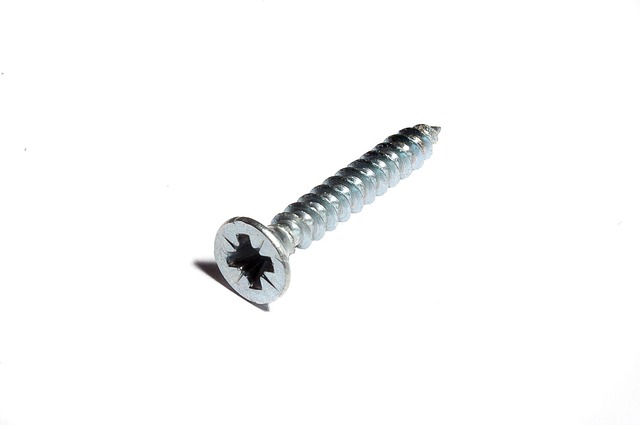
Are Metal Tapping Screws the Key to Enhancing World Assorted Drywall Screws Performance
World Assorted Drywall Screws
Metal tapping screws play a decisive role in modern drywall systems where precision and reliability determine structural safety. These screws not only connect materials but also influence how assemblies perform under stress. Compared with traditional drywall screws, metal tapping screws deliver higher consistency in fastening, especially when used with steel framing or composite substrates. Their material composition, thread geometry, and surface treatments define performance outcomes in global construction environments. As engineering innovations evolve, the integration of smart fasteners and sustainable materials is reshaping the future of drywall fastening.
Understanding the Relationship Between Metal Tapping Screws and Drywall Screw Performance?
The performance of drywall systems depends on how effectively fasteners interact with their base materials. Metal tapping screws bring a unique advantage by forming their own threads within metallic or composite surfaces, creating a secure mechanical bond that resists loosening even under vibration.
The Structural Role of Metal Tapping Screws in Fastening Systems
Metal tapping screws are designed to cut threads into metal substrates, which increases grip and load-bearing capacity. Their self-drilling and self-tapping features save installation time while maintaining uniform torque application across joints. In drywall assemblies supported by steel studs, this characteristic enhances rigidity and minimizes deflection. The mechanical properties—tensile strength, hardness, and ductility—directly contribute to structural reliability under both static and dynamic loads.
Comparing Metal Tapping Screws with Conventional Drywall Screws
Traditional drywall screws are optimized for wood or gypsum board applications. They typically have coarse threads suited for softer materials but struggle to maintain hold in metal framing systems. In contrast, metal tapping screws feature sharper points and finer threads that engage efficiently with thin-gauge steel without stripping. Material composition also differs: drywall screws are often made from hardened carbon steel, while metal tapping variants may use alloyed compositions for improved corrosion resistance. Recognizing these distinctions helps engineers choose the right screw type for specific substrate combinations.
Material Composition and Design Considerations of Metal Tapping Screws
Selecting proper materials and geometries determines how well metal tapping screws perform over time. Metallurgical quality affects strength retention, while surface treatments influence corrosion behavior in humid or chemically active conditions.
Metallurgical Properties Influencing Performance
Common manufacturing materials include carbon steel for general use, stainless steel for high-moisture environments, and alloy steels for enhanced fatigue life. Heat treatment processes such as quenching and tempering raise tensile strength beyond 800 MPa in many commercial grades. Surface coatings like zinc plating or phosphate layers act as protective barriers against oxidation. In coastal projects or industrial plants exposed to chemical vapors, these coatings extend service life significantly.
Thread Geometry and Point Design Optimization
Thread geometry defines how a screw engages its substrate. Fine-thread designs provide better engagement in thin metals because they distribute stress more evenly along the thread path. Self-drilling points remove the need for pilot holes, which reduces labor time during installation—a crucial factor on large-scale construction sites where thousands of fasteners are used daily. Advanced thread angles also lower the risk of stripping when high-torque drivers are applied during automated assembly operations.
Integration of Metal Tapping Screws in Global Drywall Systems
Global construction practices vary widely depending on regional standards and building codes. However, metal tapping screws consistently serve as critical connectors between drywall panels and structural frames across markets.
Application in Light-Gauge Steel Framing
In light-gauge steel framing systems common in commercial interiors, metal tapping screws secure gypsum boards to studs with consistent penetration depth and alignment accuracy. Their ability to maintain joint stability under vibration makes them suitable for seismic zones or high-traffic structures such as hospitals or schools. When paired with automated screw-driving tools, installation speed improves by up to 30%, reducing project timelines without compromising quality.
Adapting to Regional Standards and Manufacturing Variations
Screw specifications differ globally due to variations in building codes such as ASTM C1002 in North America or ISO 1478 internationally. Manufacturers adjust dimensions, coating thicknesses, and hardness levels based on local climatic conditions—humid tropical regions require thicker zinc coatings than arid zones. International standardization efforts continue through ISO committees aiming to harmonize performance benchmarks so that assorted drywall screw types can be reliably compared across markets.
Performance Enhancement Through Engineering Innovation
Continuous innovation in coatings, metallurgy, and testing protocols drives improvements in fastener durability and mechanical stability.
Advances in Coating Technologies for Longevity
Recent developments include nano-ceramic coatings that reduce friction during driving while providing long-term corrosion protection comparable to stainless steel grades. Hybrid coating systems combining organic polymers with inorganic particles offer superior environmental resistance against salt spray or acidic exposure. Uniform coating thickness ensures predictable torque control during automated fastening operations—a key requirement for robotic assembly lines increasingly used by global contractors.
Mechanical Testing and Quality Assurance Protocols
Manufacturers conduct torque-to-failure tests to evaluate mechanical reliability under extreme conditions where overtightening may occur. Pull-out resistance tests measure holding power across substrates ranging from 0.5 mm sheet metal to dense gypsum board composites. Continuous quality monitoring using statistical process control maintains batch consistency at industrial scale production levels, ensuring every lot meets specified mechanical thresholds before shipment.
Future Trends in Screw Technology for Drywall Applications
Emerging technologies are redefining what fasteners can do beyond simple mechanical connection functions.
Smart Fasteners and Digital Integration in Construction Systems
The next generation of metal tapping screws may embed micro-sensors capable of detecting load shifts or loosening over time. These smart fasteners could integrate with Building Information Modeling (BIM) platforms to provide real-time data on joint performance during maintenance cycles. Such digital integration supports predictive maintenance strategies where engineers can schedule inspections before failures occur—a concept already being tested in aerospace fastening systems now migrating into construction sectors.
Sustainability Considerations in Screw Manufacturing and Usage
Environmental responsibility is becoming central to fastener production strategies worldwide. Recyclable metals like stainless steel reduce waste streams at end-of-life stages without sacrificing strength requirements. Energy-efficient heat treatment processes lower carbon emissions by optimizing furnace cycles through AI-controlled temperature management systems adopted by several ISO-certified plants since 2022. Lifecycle analysis frameworks guide manufacturers toward eco-friendly solutions that align with global sustainability goals while maintaining product reliability demanded by modern construction projects.
FAQ
Q1: What distinguishes metal tapping screws from regular drywall screws?
A: Metal tapping screws can drill their own holes into metal substrates due to their self-drilling tips, whereas regular drywall screws require pre-drilled holes when used on harder materials like steel.
Q2: Which material is most durable for metal tapping screws?
A: Stainless steel offers the best durability against corrosion but alloy steels provide higher tensile strength when heavy loads are expected.
Q3: How do coating technologies affect screw lifespan?
A: Coatings such as zinc plating or nano-ceramic layers protect against rust formation and reduce friction during installation, extending operational life especially in humid climates.
Q4: Are there international standards governing these fasteners?
A: Yes, standards like ASTM C1002 and ISO 1478 define dimensional tolerances, performance criteria, and testing methods for assorted drywall screw types including self-tapping variants.
Q5: What future trends will shape the industry?
A: Smart sensor integration within fasteners and sustainable manufacturing using recyclable alloys will likely dominate upcoming developments across global construction supply chains.


