

Is The Hex Wrench Still Essential As IKEA Expands Into Costa Rica
IKEA Begins Costa Rica Rollout: Start Practicing Your Allen Wrench Skills Now
IKEA’s entrance into Costa Rica is more than a retail expansion—it marks a strategic fusion of Scandinavian design philosophy with Latin American consumer dynamics. The move underscores IKEA’s commitment to accessible, sustainable living solutions while reinforcing its global identity through the enduring symbol of the hex wrench. As the company adapts its flat-pack model to Costa Rica’s environmental and cultural context, it also tests how digital innovation and local preferences can reshape traditional assembly experiences. The rollout signals not just new stores, but a recalibration of IKEA’s operational playbook for emerging markets.
IKEA’s Expansion into Costa Rica and Its Operational Implications
IKEA’s global expansion follows a consistent logic: enter markets where urban growth, sustainability awareness, and middle-class spending converge. Costa Rica fits this pattern neatly, offering both economic stability and strong environmental credentials.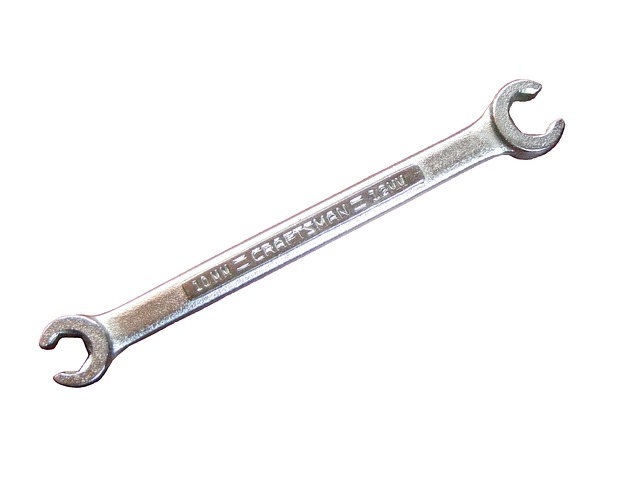
Overview of IKEA’s Global Expansion Strategy
IKEA has long pursued a market entry strategy that balances affordability with ecological responsibility. Its global footprint extends across more than 60 markets, each tailored to local conditions yet unified by the same minimalist ethos. The Costa Rican rollout forms part of its broader Latin American push, following entries into Chile, Colombia, and Mexico. Local partnerships in logistics and retail operations are central to this model because they allow supply chains to adapt quickly to regional realities such as import regulations or infrastructure gaps. By emphasizing local sourcing, IKEA reduces transportation emissions while strengthening domestic supplier networks.
Market Entry Strategy for Costa Rica
Costa Rica’s demographic profile—young consumers, urban concentration, and rising disposable income—matches IKEA’s target audience precisely. Urbanization rates exceeding 80% create demand for compact furniture suitable for apartments and smaller homes. The country’s regulatory environment favors sustainable construction and renewable energy use, aligning perfectly with IKEA’s circular economy goals. Store formats may therefore emphasize smaller urban outlets supported by regional distribution centers rather than massive suburban warehouses typical in Europe or North America.
The Role of the Hex Wrench in IKEA’s Product Philosophy
The hex wrench is not merely a tool; it is an emblem of IKEA’s design DNA. Every time a customer tightens a bolt with that small metal key, they participate in the brand’s story of efficiency and empowerment.
Historical Significance of the Hex Wrench in IKEA Design
Since the 1950s, IKEA has relied on flat-pack designs that minimize shipping volume while inviting customers to take part in assembly. The hex wrench became iconic because it symbolizes self-reliance and practical design—values deeply rooted in Scandinavian culture. Early engineering choices prioritized modularity so that different pieces could share components across product lines. This standardization reduced costs and simplified maintenance long before sustainability became a corporate mantra.
Functional Importance in Modern Assembly Systems
From a technical standpoint, hex-based fasteners offer superior torque distribution compared to slotted or Phillips screws while remaining inexpensive to produce. Their uniform shape also allows automated packaging systems to handle millions of identical parts efficiently across continents. For customers, familiarity breeds comfort: whether assembling a bookshelf in Stockholm or San José, the process feels instantly recognizable.
Evolution of Assembly Tools in Response to New Market Demands
As digital technology transforms retail experiences globally, even something as humble as the hex wrench faces reinvention through smart guidance systems and hybrid assembly options.
Integration of Digital Tools and Smart Assembly Aids
IKEA increasingly integrates mobile applications that use augmented reality (AR) overlays to guide users step-by-step during assembly. QR codes printed on packaging link directly to localized video tutorials in Spanish or English depending on user preference. Artificial intelligence chatbots now assist customers who encounter difficulties during assembly sessions—an innovation that reduces service calls while improving satisfaction metrics.
Potential Shifts Toward Pre-Assembled or Hybrid Models
Urban lifestyles leave little time for prolonged DIY projects. Recognizing this shift, IKEA experiments with semi-preassembled modules for wardrobes or kitchen units that retain modular flexibility but cut assembly time by half. However, any move toward preassembly must still respect sustainability principles; shipping bulkier items increases carbon output unless offset by eco-friendly logistics solutions such as electric vehicle fleets or recyclable packaging materials.
Local Adaptation: How Costa Rican Consumers Might Shape Product Design
Entering Costa Rica requires more than translating manuals—it demands sensitivity to cultural expectations about service quality and environmental responsibility.
Cultural Expectations Around DIY Furniture Assembly
While European consumers often view self-assembly as part of the fun, Latin American buyers may prefer professional assistance. In Costa Rica’s service-oriented culture, optional assembly services could become standard offerings through third-party contractors vetted by IKEA. Pilot programs will likely test whether customers favor full-service delivery models over traditional self-service approaches before scaling nationwide.
Environmental Considerations in Material Sourcing and Packaging
Costa Rica stands out globally for its renewable energy policies and biodiversity protection laws. These priorities align seamlessly with IKEA’s ambition to source all wood from certified sustainable forests and reduce single-use plastics in packaging. Local adaptation might include using regionally sourced bamboo composites or recycled cardboard inserts instead of expanded polystyrene fillers common elsewhere.
The Future of the Hex Wrench in IKEA’s Global Supply Chain Strategy
Even as digital tools proliferate, the hex wrench remains central to IKEA’s identity—a tactile reminder that simplicity can coexist with innovation.
Balancing Tradition with Technological Innovation
Retaining the hex wrench keeps brand continuity intact while allowing incremental improvements like ergonomic grips or recyclable alloys. Research teams explore biodegradable polymers capable of replacing steel without compromising strength standards under ISO mechanical testing protocols. Such innovations would reinforce both environmental performance and user convenience without discarding decades of design consistency.
Strategic Outlook for Tool Standardization Across Markets
Maintaining one universal assembly interface simplifies training materials, spare part logistics, and production tooling worldwide. Nevertheless, regional adaptations may arise—for example, metric versus imperial sizing—to comply with local hardware norms or consumer preferences. Over time, hybrid fastener systems could emerge that integrate digital sensors tracking torque accuracy via mobile apps—blending physical craftsmanship with data-driven precision.
FAQ
Q1: Why did IKEA choose Costa Rica for expansion?
A: Costa Rica offers economic stability, strong green policies, and an expanding middle class—conditions ideal for IKEA’s sustainable retail model.
Q2: Will products sold in Costa Rica differ from those elsewhere?
A: Core designs remain consistent globally but materials or finishes may adapt locally based on climate resilience and sourcing availability.
Q3: Is the traditional hex wrench being replaced?
A: Not entirely; it continues as a brand symbol though enhanced by digital guides and ergonomic updates.
Q4: How does this expansion affect local suppliers?
A: It opens new opportunities for certified producers meeting sustainability standards while strengthening domestic manufacturing capacity.
Q5: What sustainability measures accompany this rollout?
A: Initiatives include renewable energy use at stores, recyclable packaging trials, and partnerships promoting circular economy practices aligned with national policy goals.


