
How Will 3 8 Black Iron Pipe Production Benefit from PR Jindal Group Expansion in the US
PR Jindal Group Announces USD 87 Million Expansion in US to Strengthen Steel Pipe Supply Chain
PR Jindal Group’s decision to invest USD 87 million in the United States marks a pivotal move in reshaping the North American steel pipe market. The expansion focuses on boosting domestic manufacturing capacity, particularly for products like the 3/8 black iron pipe, which remains integral to industrial and infrastructure projects. This initiative is set to strengthen supply chain resilience, enhance product quality, and reduce dependence on imports. The investment aligns with broader industry trends emphasizing localized production and sustainable practices.
Overview of PR Jindal Group’s Expansion in the United States
The expansion represents a calculated step toward consolidating PR Jindal Group’s global footprint. By building new facilities and upgrading existing ones, the company aims to address long-standing supply chain inefficiencies while meeting surging demand across construction, energy, and manufacturing sectors.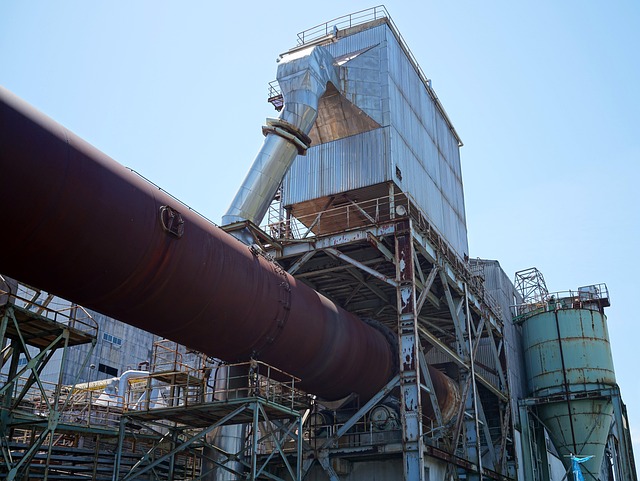
Strategic Objectives Behind the USD 87 Million Investment
The primary objective is to fortify the company’s position within the North American steel market. Establishing production bases closer to end users allows PR Jindal Group to respond swiftly to regional infrastructure projects while minimizing logistical complexities. The investment also aims to expand production capacity, enabling the company to meet rising industrial requirements for steel pipes used in pipelines, mechanical systems, and fabrication works. Furthermore, domestic operations will reduce reliance on imported materials that often face port congestion or freight delays.
Expected Impact on the Steel Pipe Supply Chain
Localized production enhances supply chain stability by reducing exposure to global shipping disruptions. Distributors benefit from shorter lead times and more predictable inventory cycles. Additionally, U.S.-based manufacturing ensures adherence to stringent quality standards such as ASTM A53 and ASME B36.10M, improving consistency across product lines. This development is expected to set a new benchmark for supply reliability in sectors dependent on steady pipe availability.
The Role of 3/8 Black Iron Pipe in Industrial Applications
As part of this expansion strategy, particular attention is directed toward increasing output of smaller-diameter pipes like the 3/8 black iron pipe. This specification plays a critical role across multiple industries due to its durability and versatility.
Technical Characteristics and Material Composition
The 3/8 black iron pipe is typically made from mild steel coated with a thin layer of black oxide that acts as a protective barrier against corrosion. Its mechanical strength makes it suitable for transporting gas, air, water, or steam under moderate pressure conditions. The dimensional precision achieved during manufacturing ensures compatibility with threaded fittings commonly used in industrial assemblies. Moreover, its pressure tolerance supports applications ranging from HVAC systems to compressed air lines.
Market Demand Drivers in the United States
Demand for this pipe type continues to grow alongside expansion in construction and infrastructure spending. In HVAC installations, it serves as a dependable conduit for gas distribution networks. The oil and gas sector also relies on it for auxiliary piping where resistance to heat and pressure variations is essential. Standardized sizes like 3/8 inch simplify modular design processes, allowing contractors to integrate components efficiently without extensive customization.
How PR Jindal Group’s Expansion Supports 3/8 Black Iron Pipe Production
The U.S.-based expansion directly contributes to strengthening small-diameter pipe manufacturing capabilities through advanced technology deployment and process automation.
Increased Manufacturing Capacity and Technological Upgrades
New facilities will incorporate precision forming equipment capable of producing consistent wall thicknesses across long production runs. Automated welding systems improve seam integrity while reducing human error during fabrication. By integrating energy-efficient furnaces and recycling scrap material within closed-loop systems, PR Jindal Group enhances sustainability metrics without compromising throughput levels.
Localization Benefits for U.S.-Based Distributors and Contractors
Domestic availability of 3/8 black iron pipes significantly cuts transportation costs associated with overseas shipments. Contractors gain faster access to materials required for time-sensitive projects such as refinery upgrades or municipal waterworks repairs. The proximity also allows flexible order adjustments—whether small batches or bulk consignments—providing distributors greater control over stock management during peak construction seasons.
Supply Chain Optimization Through Vertical Integration
PR Jindal Group’s vertically integrated model provides strategic advantages by linking raw material sourcing directly with downstream processing units.
Raw Material Sourcing and Processing Efficiency
Owning or partnering with upstream steel coil producers ensures steady input quality while minimizing procurement delays. This integration reduces exposure to volatile commodity markets since internal transfers can be planned at stable pricing structures. Streamlined logistics between coil rolling plants and pipe mills further lower handling costs and carbon emissions per ton of finished product.
Distribution Network Enhancement Across North America
The establishment of regional warehouses across key states strengthens last-mile delivery capabilities for clients operating nationwide. These hubs will employ digital inventory tracking tools that allow real-time visibility into stock levels and shipment progress. Collaborations with local distributors amplify reach into secondary markets where quick turnaround remains essential for project continuity.
Competitive Landscape and Industry Implications
PR Jindal Group’s move reshapes competition among established American manufacturers by introducing additional high-quality capacity into an already dynamic market environment.
Positioning Against Other Steel Pipe Manufacturers in the U.S. Market
By expanding domestically, PR Jindal narrows the competitive gap with leading U.S.-based producers known for their strong regional networks. Increased supply could stabilize prices that have fluctuated due to import tariffs or raw material shortages over recent years. Moreover, partnerships with engineering procurement construction (EPC) firms open avenues for direct involvement in large-scale energy transition projects requiring specialized steel piping solutions.
Long-Term Outlook for the Black Iron Pipe Segment
Looking ahead, steady demand growth appears likely as industrial retrofitting accelerates across aging infrastructure systems nationwide. Innovations in coating technology may further extend service life expectancy of black iron pipes under harsh environmental conditions. With U.S.-based manufacturing under PR Jindal’s management framework, export potential toward Latin American markets could rise once domestic requirements are met consistently.
FAQ
Q1: What is driving PR Jindal Group’s USD 87 million investment in the U.S.?
A: The company seeks stronger North American presence through localized production that improves supply reliability while cutting import dependency.
Q2: How will this expansion affect availability of 3/8 black iron pipes?
A: It will increase domestic output capacity leading to faster delivery cycles and reduced transportation expenses for distributors.
Q3: Why is vertical integration important in steel pipe manufacturing?
A: It connects raw material sourcing directly with processing units ensuring consistent quality control while stabilizing input costs.
Q4: What industries primarily use 3/8 black iron pipes?
A: They are common in HVAC systems, plumbing networks, compressed air lines, and auxiliary oil & gas installations due to their pressure endurance.
Q5: What long-term benefits does this bring to U.S.-based contractors?
A: Contractors gain quicker access to standardized materials enabling flexible project scheduling along with improved cost predictability over time.


