
Is The Japanese Hand Saw The Key To Precision In Tricky Pruning Jobs
The Mini Japanese Saw That’s Ideal for Tricky Pruning Jobs
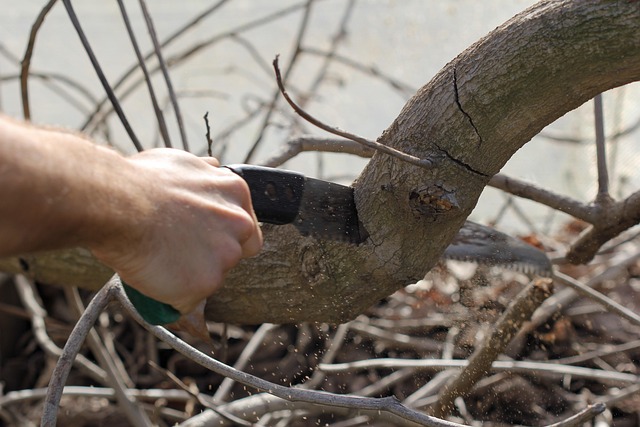
Compact yet remarkably efficient, the mini Japanese hand saw has become a preferred tool among professional arborists and horticulturists. Its pull-stroke design allows precise control in confined spaces, minimizing damage to living tissue. Unlike bulky Western saws, this lightweight instrument delivers surgical accuracy in ornamental pruning and structural thinning. In modern pruning practices, it bridges traditional craftsmanship with evolving ergonomic and material innovations, offering a balance of finesse and durability.
The Role of the Japanese Hand Saw in Modern Pruning Practices
The mini Japanese hand saw represents a blend of centuries-old technique and modern engineering. Its role extends beyond mere cutting—it shapes healthier growth patterns by producing cleaner incisions that promote faster plant recovery.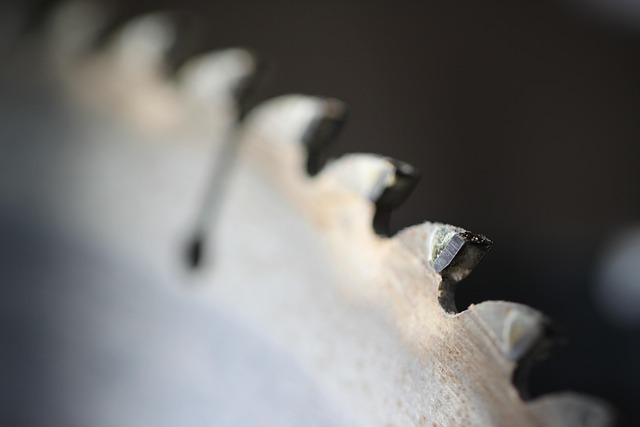
Understanding the Design Philosophy Behind Japanese Saws
Japanese saws operate on a pull stroke, which tightens the blade during use. This motion grants greater control and reduces blade deflection. The thin and flexible blade removes less material with each pass, creating smooth surfaces that heal efficiently. Traditional makers emphasize ergonomics: curved handles align with wrist movement, lowering strain during repetitive tasks. Each element—from tooth geometry to handle texture—reflects a philosophy centered on precision through simplicity.
Comparing Japanese Hand Saws to Western Pruning Tools
Western saws cut on the push stroke, which can cause flexing under pressure and result in rougher cuts. In contrast, the tension-based cutting action of Japanese models minimizes user fatigue during long pruning sessions. Tooth geometry also differs: Western teeth are often set wider for aggressive removal, while Japanese teeth are finer and optimized for clean slicing across varying wood densities. This distinction makes the latter particularly effective for fruit trees or ornamental shrubs where minimal tearing is critical.
Precision Cutting and Its Impact on Plant Health
Clean cuts are not merely aesthetic—they’re biological necessities for plant vitality. Smooth surfaces reduce infection risks and preserve sap flow continuity.
How Clean Cuts Promote Faster Healing in Plants
A properly executed cut seals faster because it limits exposure to pathogens and pests. When branches are pruned at correct angles, nutrient transport remains uninterrupted, supporting new shoot formation. Reduced tearing also means less physiological stress on the cambium layer—the living tissue responsible for growth—leading to stronger regrowth patterns.
Techniques for Achieving Accuracy with a Japanese Hand Saw
Accuracy begins before the first stroke. Stabilizing the branch prevents splitting near the collar zone. Using light, consistent strokes allows teeth to engage naturally without forcing penetration, maintaining edge sharpness longer. Selecting an appropriate tooth size is equally vital; coarse teeth suit thick limbs, while fine teeth excel in delicate pruning where precision outweighs speed.
Engineering Innovations in Modern Japanese Hand Saws
Recent engineering advances have elevated these tools from traditional craft items to high-performance instruments used by professionals worldwide.
Material Advancements Enhancing Durability and Sharpness
Modern blades employ high-carbon steel known for its hardness retention under repeated stress. Impulse-hardened teeth extend usable life without frequent sharpening—a key benefit for field arborists managing multiple species daily. Rust-resistant coatings further protect against humidity exposure during outdoor operations, preserving both function and appearance over time.
Ergonomic and Structural Enhancements for Professional Use
Non-slip handles made from rubberized composites enhance grip even when wet or resin-coated. Replaceable blades reduce waste while lowering long-term costs—a nod toward sustainability goals in professional landscaping sectors. Folding mechanisms improve portability; many compact models fit easily into utility belts or backpacks without compromising rigidity when extended.
Adapting Japanese Hand Saws for Specialized Pruning Scenarios
In dense canopies or confined garden spaces, maneuverability becomes as important as sharpness. The mini variant excels precisely here.
Handling Intricate or Confined Cutting Situations
Its slim profile allows entry between overlapping branches where larger tools would snag bark or crush shoots. Fine-tooth configurations make it ideal for bonsai work or decorative topiary shaping requiring millimeter-level accuracy. Because it cuts on the pull stroke, vibration is minimized near fragile stems—a subtle yet crucial advantage when working with sensitive ornamentals.
Integrating the Tool into Professional Arboriculture Workflows
Professionals often pair these hand saws with power trimmers: heavy tools handle bulk removal while the mini saw completes finishing cuts that determine final form quality. It’s particularly suited to selective thinning projects aimed at improving light penetration within tree crowns or maintaining balanced canopy structures without harming live tissue integrity.
Insights from 2023 CES Las Vegas: The Evolution of Hand Tools in Smart Gardening
The 2023 CES Las Vegas exhibition showcased how traditional craftsmanship now intersects with digital technology in gardening equipment design.
Emerging prototypes demonstrated how manual tools like Japanese hand saws could integrate sensors measuring cutting force or blade wear in real time—bridging tactile skill with data-driven insight.
Emerging Trends Linking Traditional Tools with Modern Technology
Sensor-based feedback systems are being tested to track performance metrics such as stroke efficiency or vibration levels during use. Smart tracking modules help landscaping firms monitor tool inventory remotely through mobile dashboards—a practical leap toward organized fleet management. Hybrid designs combining analog precision with digital aids hint at an era where even hand tools participate in connected ecosystems once reserved for power equipment.
The Future Outlook for Precision Pruning Equipment
Market forecasts suggest growing demand among professionals seeking reliable manual alternatives amid sustainability initiatives favoring repairable designs over disposable ones. Manufacturers are collaborating closely with horticultural researchers to refine tooth geometry standards that balance efficiency with ecological responsibility—an evolution rooted as much in tradition as innovation.
FAQ
Q1: Why do Japanese hand saws cut on the pull stroke?
A: Pull-stroke cutting keeps the blade under tension during use, preventing bending and allowing thinner steel construction without sacrificing strength.
Q2: Are mini Japanese saws suitable for large branches?
A: They perform best on small to medium limbs; larger branches require coarser-tooth models or powered alternatives to maintain efficiency.
Q3: How often should impulse-hardened blades be replaced?
A: Typically after several months of regular use depending on wood type; they cannot be resharpened but retain edge integrity far longer than standard steel blades.
Q4: What makes these saws ideal for bonsai work?
A: Their fine-tooth configuration enables clean incisions close to nodes without bruising delicate bark layers essential to bonsai aesthetics.
Q5: Did 2023 CES Las Vegas highlight any smart features relevant to pruning?
A: Yes, several concept tools featured embedded sensors providing feedback on cutting pressure and angle alignment—pioneering steps toward intelligent manual gardening instruments.


